Sustainable Skincare Packaging: What Buyers Must Know
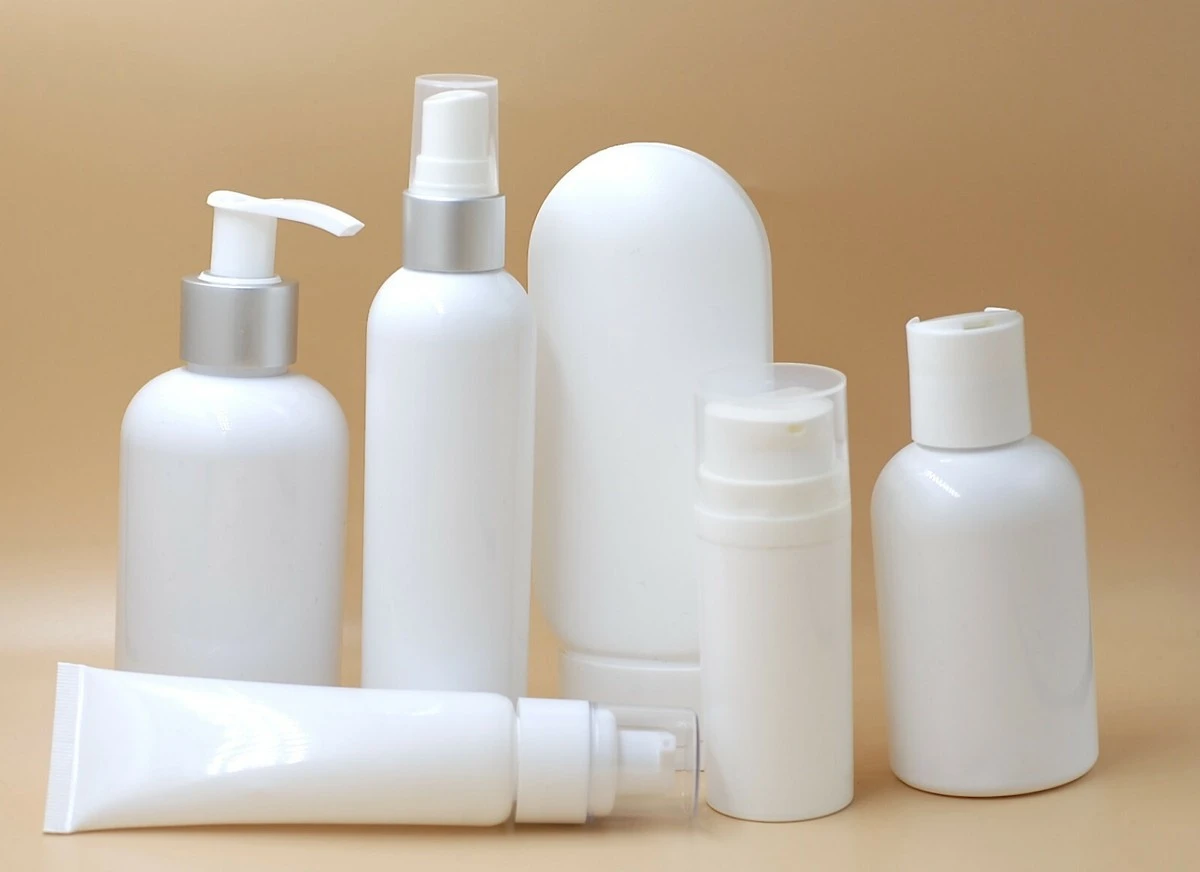
Choosing sustainable skincare packaging involves materials, lifecycle impact, refillability, supply-chain transparency and certifications. Buyers must evaluate these to align value and values.
I’m Emma, and I’ve worked in the skincare industry for 6 years. Today, I’m a Sales Manager, supporting customers while staying closely involved in what truly makes a product work—its formula, ingredients, and real-world performance.
Before moving fully into sales, I spent an extended period working with our R&D team, which gave me a strong foundation in formulation logic and ingredient functions. I’m especially interested in how different skin types react differently to the same product, and I’ve spent years studying common skin concerns—like dryness, sensitivity, oiliness, acne-prone skin, and uneven texture—and the practical ways people can adjust routines to improve them. Inside our company, I also help colleagues from other departments build realistic, effective skincare plans based on their actual skin conditions and daily habits.
My clients are mainly based in Southeast Asia and the Middle East, so I’ve become very familiar with what customers and end-users in these regions care about—climate-driven needs, texture preferences, and the product positioning that tends to work best in those markets.
Skincare is also part of my daily life. I keep my own routine consistent, test products with a careful eye, and share my personal skincare experiences and small “best practice” tips with our team.
In my free time, I like reading professional, evidence-based skincare and dermatology articles to keep improving my knowledge—especially resources from the American Academy of Dermatology (AAD) and Dermascope.
Note: I’m not a medical professional. My writing is based on industry experience, product knowledge, and continuous learning. For persistent or serious skin issues, please consult a dermatologist.

Choosing sustainable skincare packaging involves materials, lifecycle impact, refillability, supply-chain transparency and certifications. Buyers must evaluate these to align value and values.


Airless bottles use a vacuum piston to protect sensitive formulas from air, waste and contamination; pump bottles are simpler and cost-effective — choose based on formula, budget and brand positioning.

Caprylic acid (octanoic acid) is a medium-chain fatty acid used in skincare for its emollient, antimicrobial and antioxidant properties — ideal for improving texture, supporting the skin barrier and soothing blemish-prone skin.

A skincare emulsion is a water-based, oil-in-water blend that hydrates lightly, locks in moisture and suits oily to combination skin — learn how and when to use it.

Bisabolol, a chamomile-derived ingredient, calms irritation, hydrates, brightens and supports anti-aging skin routines — safe for most skin types.

Phenolic acids are plant-derived antioxidants and anti-inflammatories that help protect, repair and clarify skin — learn their mechanisms, benefits & formulation tips.
WhatsApp us