

Packaging is more than just a box or bottle — it shows who your brand is. Today’s skincare customers care about design, sustainability, and how a product feels in their hands.
Good packaging builds trust and tells your brand story. It turns a simple product into a full experience, helping your skincare line stand out in a busy market.
Sustainability & Circular-Economy Packaging
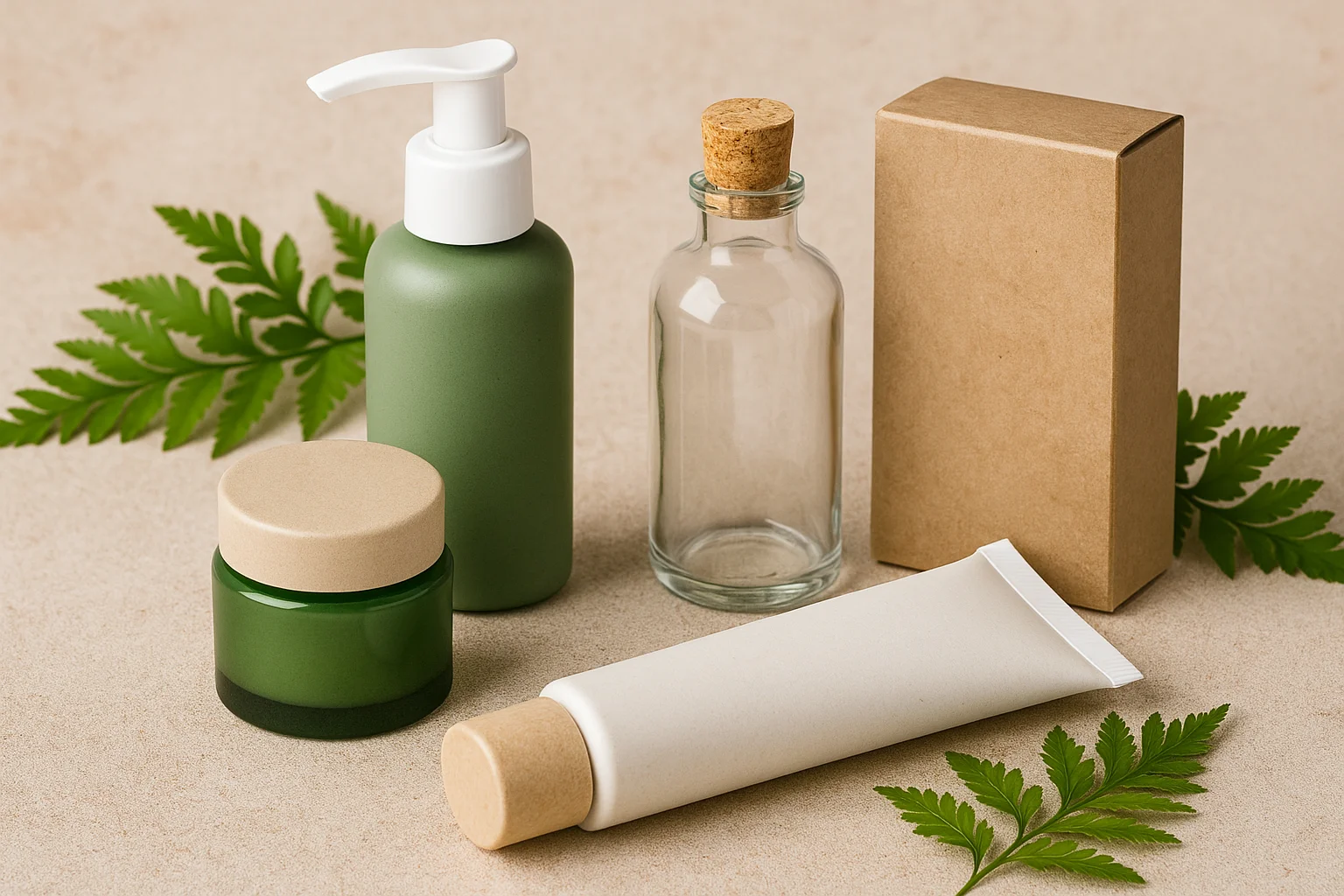
Refillable Systems and Eco-Friendly Materials
In 2025, sustainability is no longer optional — it’s expected. More skincare brands are adopting refillable systems (1), post-consumer recycled (PCR) plastics (2), and biodegradable packaging (3) to reduce waste and protect the planet.
Many manufacturers are developing lighter, smarter, and more environmentally friendly designs that balance function with beauty.
Mono-Material Designs and Easy Recycling
A growing trend is mono-material packaging (4), which uses a single recyclable material instead of mixed plastics.
This approach makes recycling simpler, improves efficiency, and supports circular-economy goals. It also helps brands streamline production and minimize excess waste across the supply chain.
Transparency and Consumer Education
Today’s consumers want to understand what their packaging is made of and how it affects the environment. Clear sustainability claims (5), honest labeling, and educational storytelling help build trust. When brands communicate their eco-efforts clearly, they not only stand out but also inspire loyalty from conscious buyers.
Minimalist, Transparent, and Trust-Building Design Aesthetic
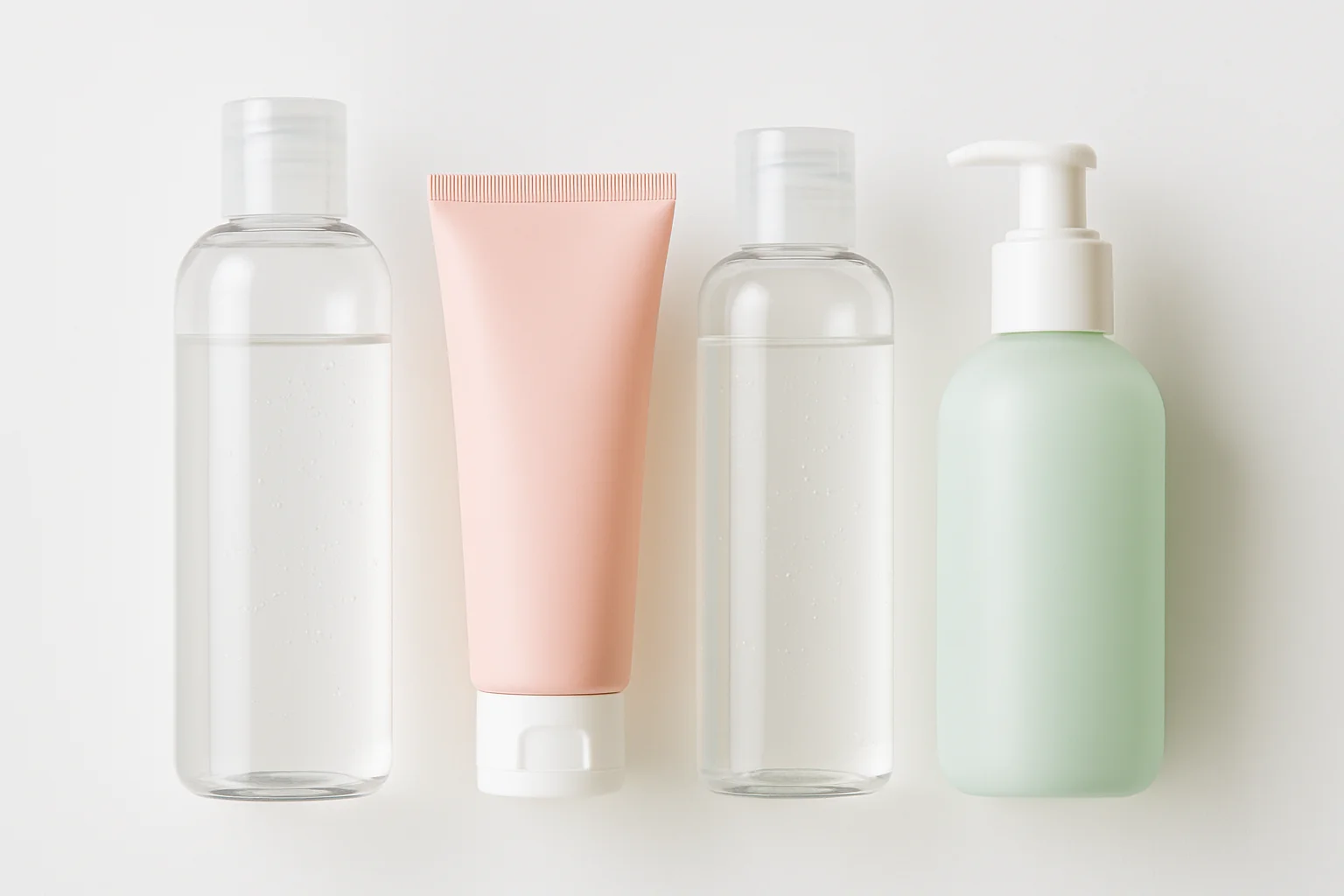
Clear Bottles and Simple Design
In 2025, many skincare brands are turning to clear bottles and see-through packaging (6). Soft colors, clean lines, and simple fonts make products look honest and pure. This less-is-more style helps customers feel confident about what they’re buying.
Ingredient Visibility and Authentic Look
When people can see the formula inside, it builds trust. Clear packaging and easy-to-read labels show that the brand has nothing to hide. This honest look makes skincare products feel safer and more real.
Global Differences
In places like the U.S. and Europe, shoppers prefer calm, minimalist designs. But in Asia and other growing markets, people still enjoy a touch of color and shine. Adapting design to fit local tastes helps brands connect with more customers around the world.
Sensory & Tactile Experience in Packaging

Textures and Finishes That Feel Special
In 2025, skincare packaging is designed to please the senses. Many brands use soft-touch coatings, embossed details, and magnetic closures to make products feel smooth and premium. These small touches turn everyday use into a more enjoyable moment.
The Unboxing Experience
Unboxing is now part of the skincare experience. When packaging opens easily, feels nice, and looks beautiful, people are more likely to share it online. A good unboxing moment builds excitement and helps customers remember the brand.
Smart, Interactive Packaging & Digital Integration

QR Codes and Smart Features
In 2025, skincare packaging is getting smarter. Many brands use QR codes, NFC tags, and AR effects to connect with customers. Scanning the package can show how to use the product, check authenticity, or learn about the ingredients.
Personalized and Predictive Packaging
Some new designs go even further with predictive packaging — reminding users to reorder or suggesting products that fit their skin needs. This kind of smart packaging helps brands build stronger, more personal connections with their customers.
Collaboration, Limited Editions & Personalization Packaging

Co-Branding and Special Editions
In 2025, many skincare brands launch co-branded and seasonal packaging to keep products fresh and exciting. Limited designs, unique colors, and creative artwork make each release feel special and worth collecting.
Local and Personalized Designs
Some brands create micro-batch packaging for local markets, using designs that fit regional culture or style. Others let customers add names or custom labels. These personal touches help people feel more connected to the brand.
Global/Regional Packaging Trends & Localisation
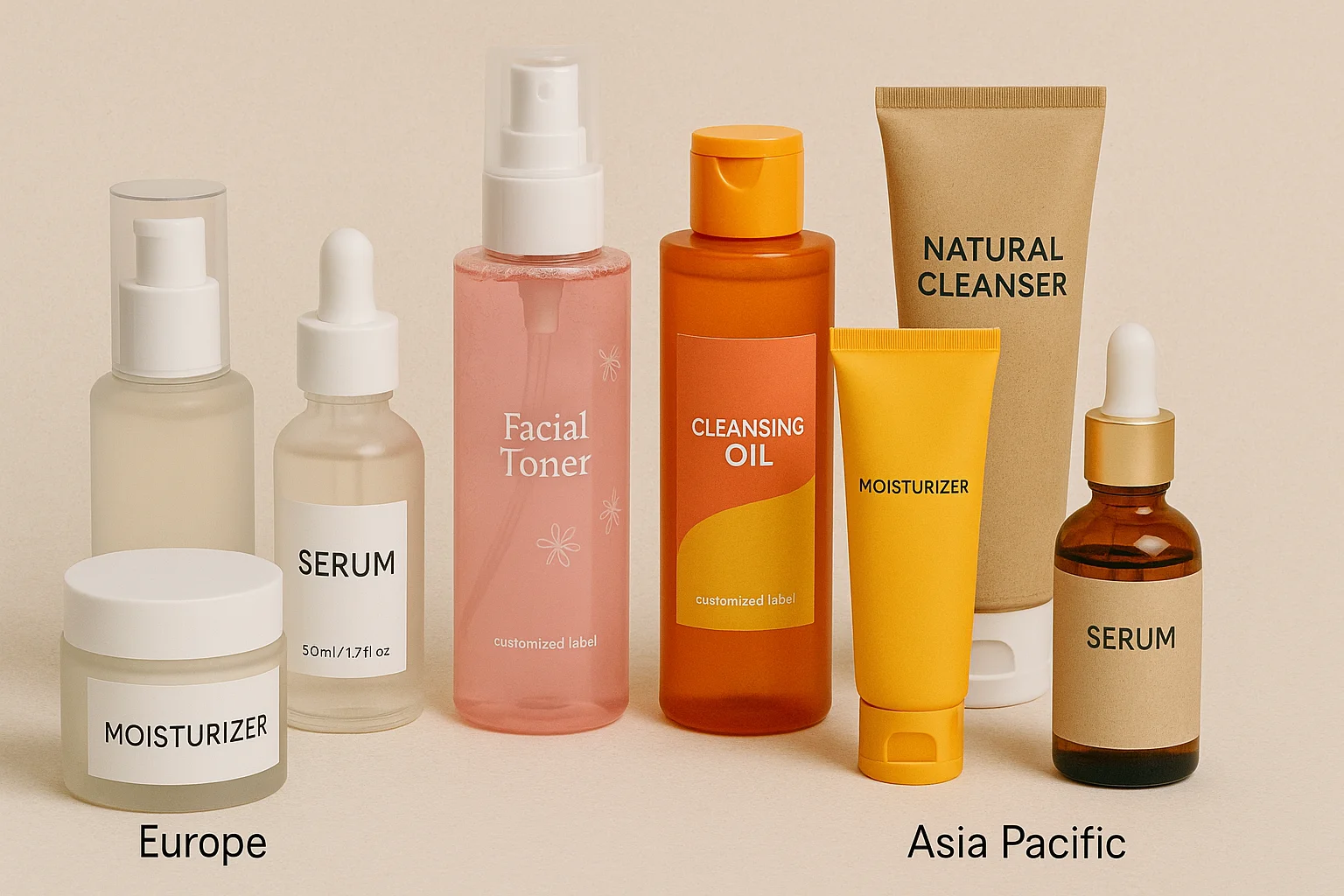
Different Market Styles
Packaging styles vary by region. In North America and Europe, people like simple, eco-friendly designs. In Asia-Pacific, shoppers prefer packaging that looks modern and eye-catching. These differences show how culture shapes what customers find attractive.
Local Production and Faster Supply
More brands now choose local packaging suppliers to save time and reduce costs. Local sourcing also supports sustainability and makes it easier to adjust designs for each market. This helps skincare brands stay flexible and connect better with regional customers.
Implementation Guidance for Skincare Brands

Match Packaging With Brand Goals
Your packaging should fit your brand story and audience. A luxury brand may use glass and gold finishes, while a clean-beauty brand might choose simple, eco materials. The goal is to make design, function, and message work together.
Work With the Right Partners
Pick suppliers who can provide sustainable materials, modern technology, and trusted certifications. A good partner helps ensure your packaging is safe, high-quality, and true to your eco claims.
Avoid Common Mistakes
Stay away from greenwashing or confusing messages about sustainability. Don’t rely on one supplier, and always think about what customers expect. Honest, well-made packaging builds stronger brand trust.
Ready to Elevate Your Skincare Packaging?
Great packaging helps your skincare brand stand out and tells your story from the first look. With smart design and eco-friendly materials, it builds trust and makes your products shine.
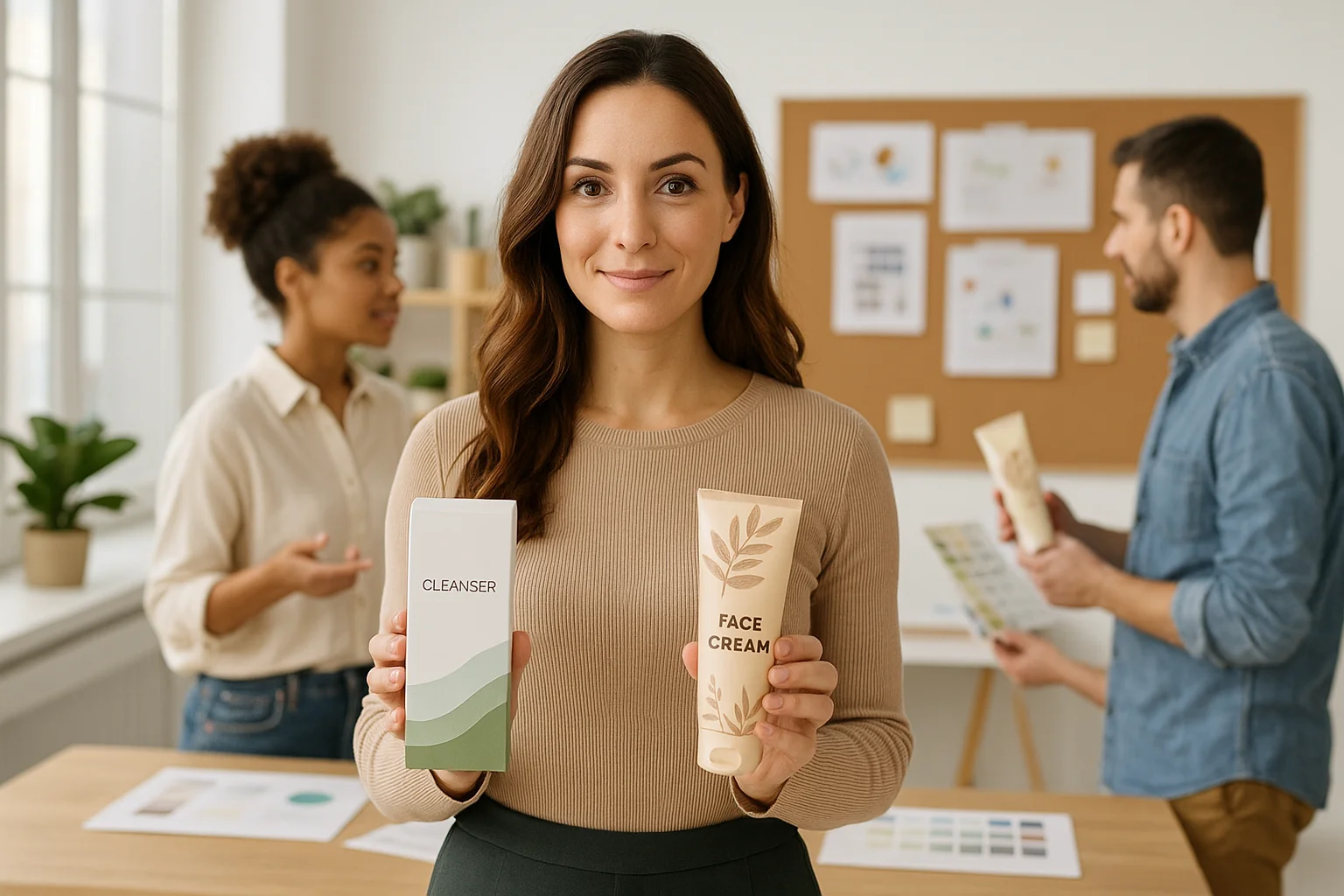
If you’re ready to create packaging that fits your brand and attracts more customers, we’re here to help. Contact us today to start your custom skincare packaging project.
FAQs
How much does eco-packaging really cost for a skincare brand?
Eco-friendly materials and refill systems often cost more upfront than standard plastic packaging. But over time, they can build stronger brand recognition, reduce waste and resonate with eco-conscious consumers—so your return may be higher.
Can smart packaging (like QR codes or NFC) be worth it for smaller skincare brands?
Yes — even smaller brands can benefit. Smart features add value by educating consumers, offering authenticity or creating engagement. They don’t always require huge budgets; simple QR integration can be enough to differentiate.
How do I decide between a global packaging style versus localised packaging?
Start with your target market. For mature markets you might lean minimalist and premium; for faster-growing regions you might include more local cultural cues and design flair. Align your global brand identity with regional tastes to strike a balance.
What are the most common recycling mistakes to avoid in skincare packaging?
Avoid mixing materials that can’t be separated for recycling, making claims without infrastructure support (green-washing), or using complex finishes that hinder recyclability. Also check local recycling systems—what works in one country may not in another.
How soon should a skincare brand start thinking about packaging strategy?
From day one. Packaging isn’t just the final step—it impacts supply chain, materials sourcing, branding and consumer perception. A strong packaging strategy early saves cost later and ensures alignment with your brand vision and values.
References for this information:
(1) Bubble Paper, “Beauty Consumer and Packaging Trends 2025,” Bubble Paper Official Blog, 2025.
(2) Albéa Group, “Revolutionizing Skincare Packaging: The Rise of Eco-Friendly Innovations,” Albéa Group Official Website, 2025.
(3) Maker’s Row, “Sustainable Beauty Packaging: Skincare Packaging Insights,” Maker’s Row Official Blog, 2025.
(4) AuroraCos, “Future Forward Beauty: Top Cosmetic Packaging Trends for 2025,” AuroraCos Official Website, 2025.
(5) CosmeticsDesign-Europe, “Future Beauty Packaging Trends,” CosmeticsDesign-Europe Official Website, 2025.
(6) CosmeticsDesign, “Beyond the Surface: U.S. Packaging Trends,” CosmeticsDesign Official Website, 2025.


 EN
 JA
