

Packaging does more than just hold your product — it protects your formula and shapes the customer’s first impression. The right bottle keeps your skincare fresh, clean, and easy to use, while also adding value to your brand.
In this article, we’ll compare airless bottles and pump bottles. Airless bottles protect sensitive formulas from air and bacteria, while pump bottles are simple, affordable, and familiar to users. Let’s see which one fits your formula best.
How Airless and Pump Bottles Work

Traditional Pump Bottle Mechanism
A traditional pump bottle (1) uses a dip tube inside the container. When you press the pump, the product travels up the tube and out through the nozzle. Each time you use it, air enters the bottle to fill the empty space, which can expose the formula to oxygen.
This type of design works well for everyday products like lotion, shampoo, and body wash that are not easily affected by air.
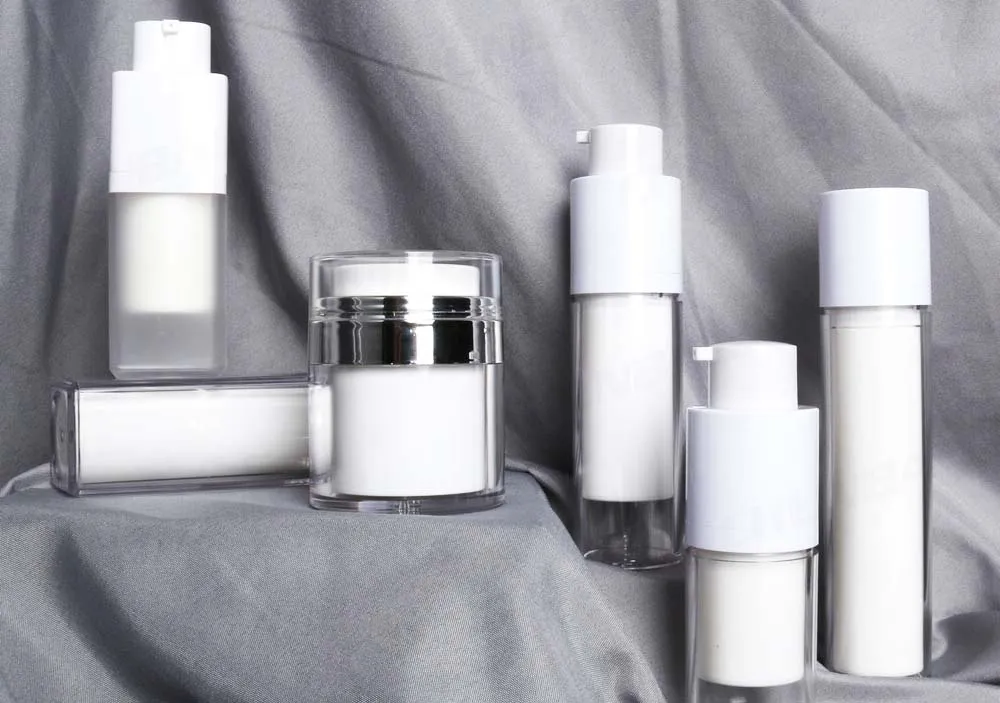
Airless Bottle Mechanism
An airless bottle works without a dip tube. It uses a vacuum or piston system (2) to push the product upward as you pump.
Because no air enters the container, the formula stays protected from oxidation and bacteria. This system helps extend the shelf life of active or preservative-free products like serums and retinol creams.
Key Internal Design Differences
Inside an airless bottle, there’s a piston base, airtight seals, and high-barrier materials to keep air out. Pump bottles rely on a simple dip tube and vent system that allows air to flow in.
These small design differences create big results — airless bottles offer better protection and hygiene, while pump bottles remain cost-effective and easy to produce.
Comparing Performance: Protection, Hygiene & Efficiency
Formula Protection & Oxidation Risk
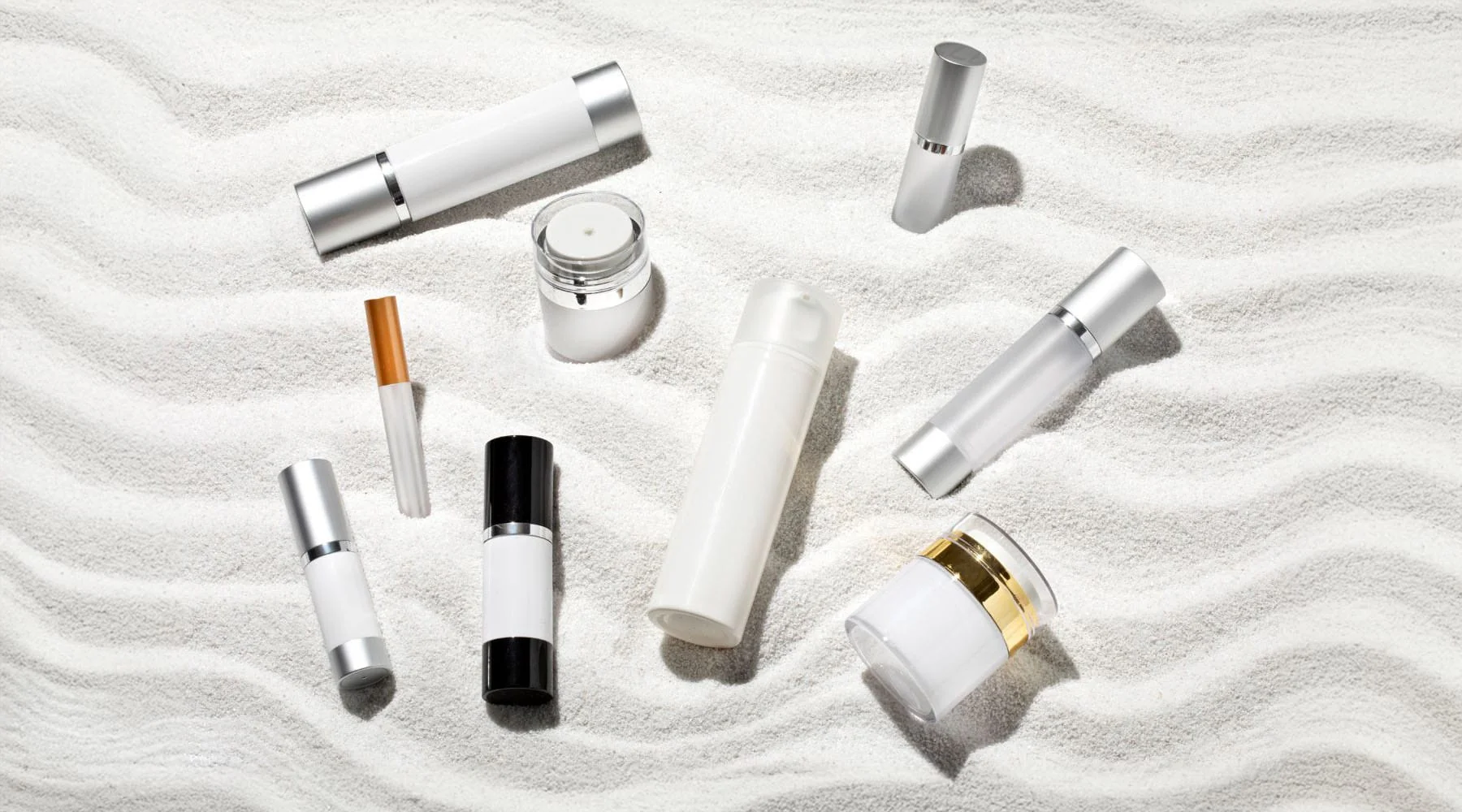
A traditional pump bottle lets air enter every time you use it, which can cause ingredients like vitamin C or retinol to lose strength. An airless bottle keeps air out completely, helping the formula stay fresh and stable longer.
Dispensing Efficiency & Product Waste
A vacuum-style airless system pushes the product up from the bottom, so almost nothing is left inside. Pump bottles often leave some product stuck at the bottom or along the walls, which can waste up to 10%.
Hygiene & Contamination Control
A sealed airless pump (3) keeps the formula from touching air, dust, or bacteria. Since your fingers never touch the opening, it’s a cleaner choice for skincare or eye creams. Pump bottles are still fine for daily use but less hygienic over time.
Cost & Manufacturing
Airless bottles (4) cost more to make because they use pistons, seals, and precise molds. They fit premium or sensitive products. Pump bottles are cheaper and faster to produce, great for simple, high-volume formulas.
Aesthetic & User Experience
Airless bottles look modern and feel luxurious. They deliver smooth, consistent pumps and give a high-end image. Pump bottles are classic, easy to use, and fit a wide range of skincare products.
Sustainability & Refill Options
Many brands now use refillable airless packaging with recyclable or PCR materials. Pump bottles can also be eco-friendly, but their dip tubes make recycling a bit harder.
Suitable Formulations & Use-Cases
Best for Airless Bottles
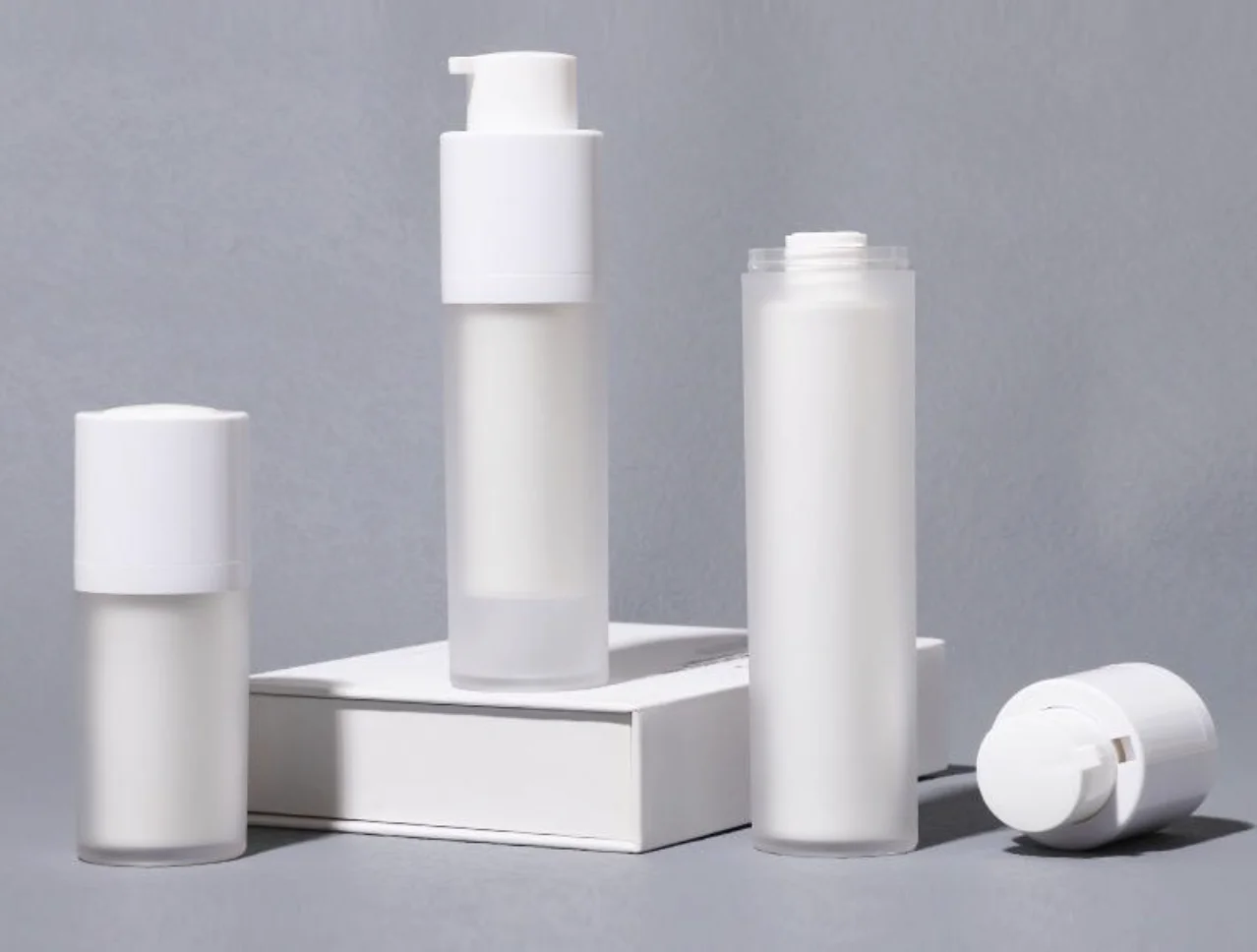
Airless bottles are great for formulas that need protection from air, like products with vitamin C, retinol, or peptides. They’re also ideal for preservative-free or natural skincare that needs extra hygiene and stability.
Best for Pump Bottles
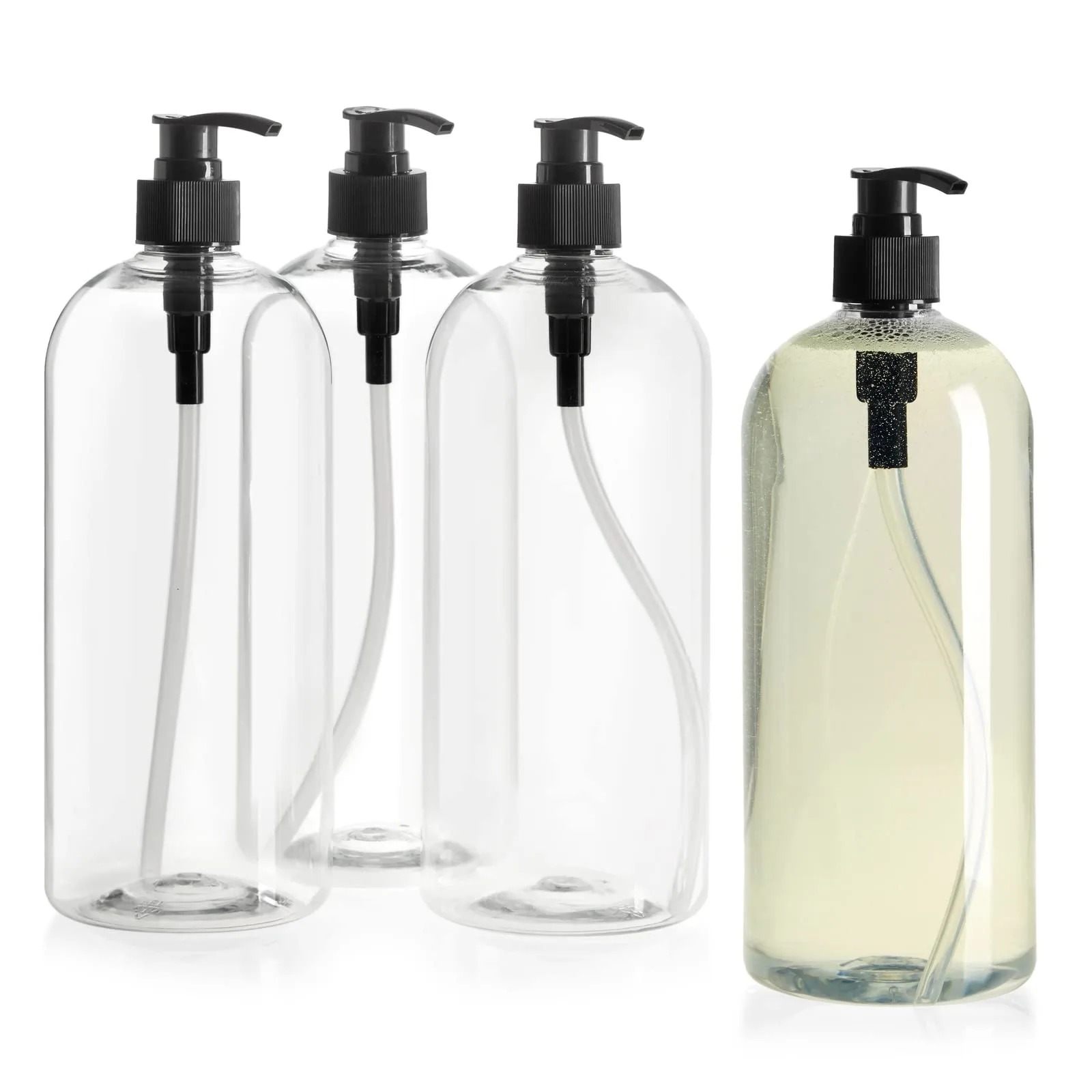
Pump bottles work well for stable, everyday products such as lotions, cleansers, or body creams. They’re affordable, easy to fill, and perfect for high-volume or budget-friendly lines.
Formula & Use Tips
Thick or grainy formulas may clog airless pumps, so smoother textures work best. Airless bottles are also safer for travel since they prevent leaks, while pump bottles are better for simple, daily-use products.
How to Choose the Right Bottle for Your Formula
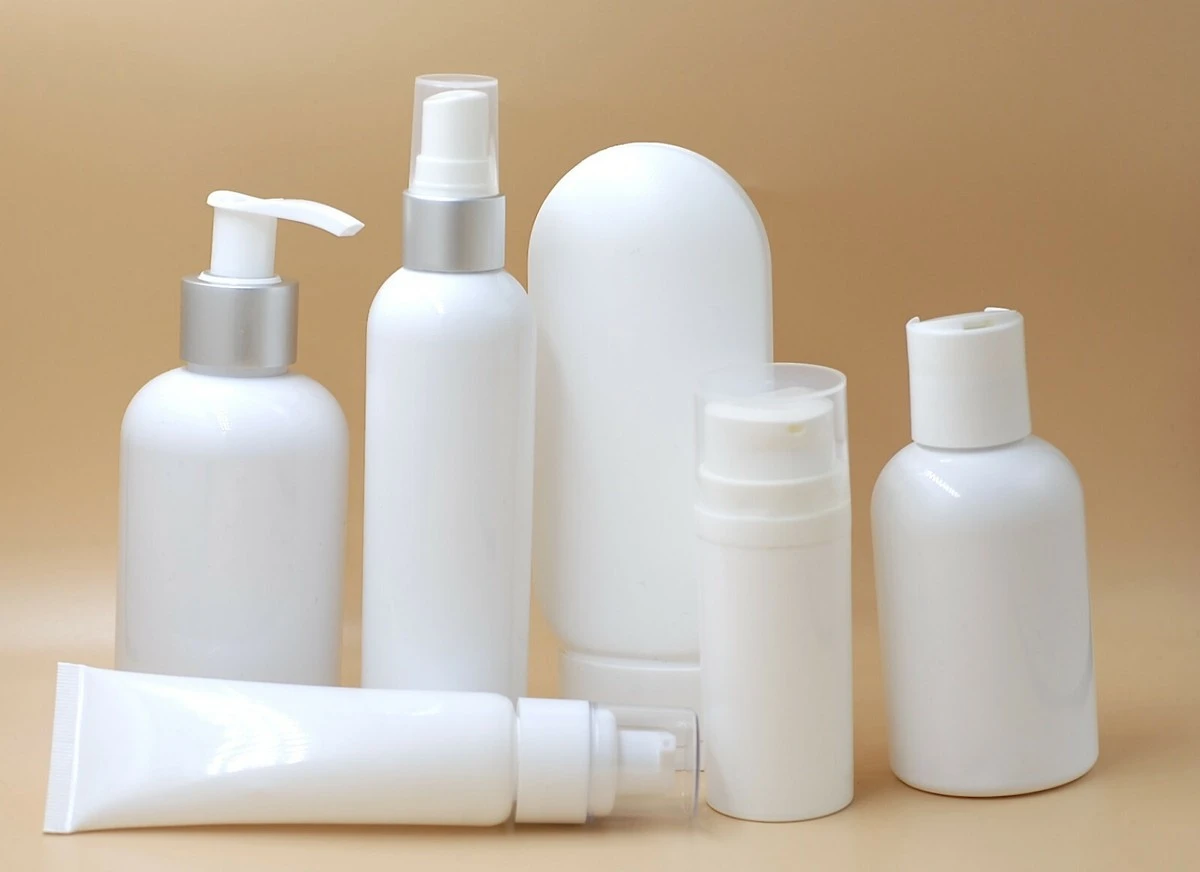
Step-by-Step Decision Checklist
Choosing between airless and pump bottles starts with understanding your product needs.
Check your formula — does it contain active or air-sensitive ingredients?
Decide your budget range and product price point.
Think about how your customer will use it — at home, on the go, or professionally.
Consider the look and feel you want your brand to present.
Balance cost, performance, and style before making a final choice.
Formula Sensitivity & Brand Goals
If your formula is sensitive to air or bacteria, airless bottles are the better option. They give a more premium image and support your brand’s focus on quality and protection. For stable products or mass-market lines, pump bottles can deliver great performance at a lower cost.
MOQ, Lead Time & Supply Chain
Airless packaging usually has higher minimum order quantities and longer lead times because of its complex structure.
Pump bottles are easier to source and faster to produce. If you work with multiple suppliers, check compatibility early — filling machines, caps, and pump sizes can vary between manufacturers.
Airless vs Pump Bottles: Pros and Cons at a Glance
Choosing the right bottle depends on your product’s formula, brand image, and budget. Here’s a quick side-by-side look at how airless bottles compare to pump bottles:
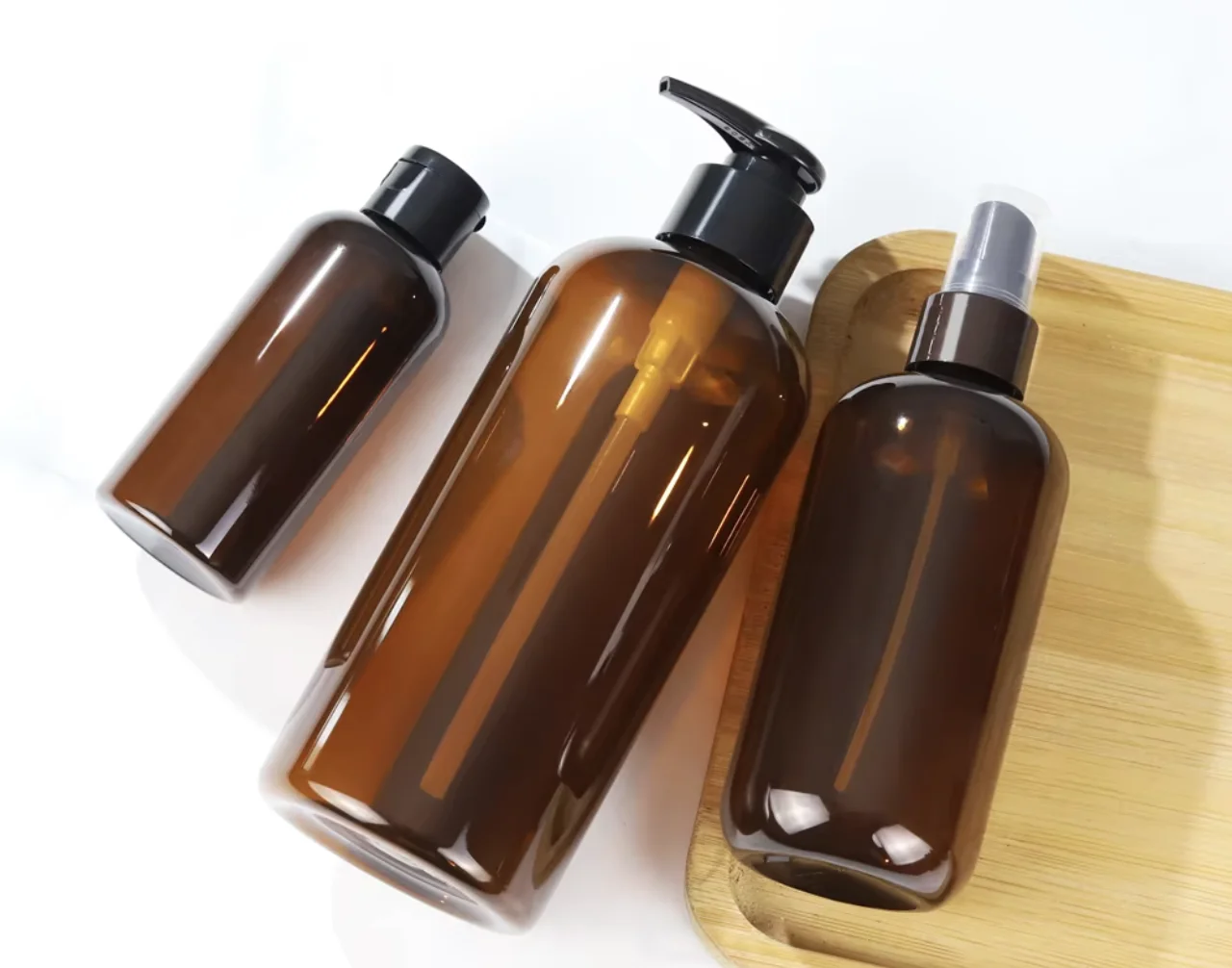
| Criteria | Airless Bottle | Pump Bottle |
|---|---|---|
| Air Exposure | Minimal (vacuum sealed) | Air enters each use |
| Product Waste | Less than 2% | 5–10% leftover |
| Hygiene | High | Medium |
| Cost | Higher | Lower |
| Recyclability | Moderate | Easier (single material) |
| Brand Perception | Premium | Familiar |
Hybrid options like bag-in-bottle or refillable airless pumps combine both protection and sustainability, making them a smart middle-ground choice for modern skincare brands.
Market Trends & Innovations in Cosmetic Packaging
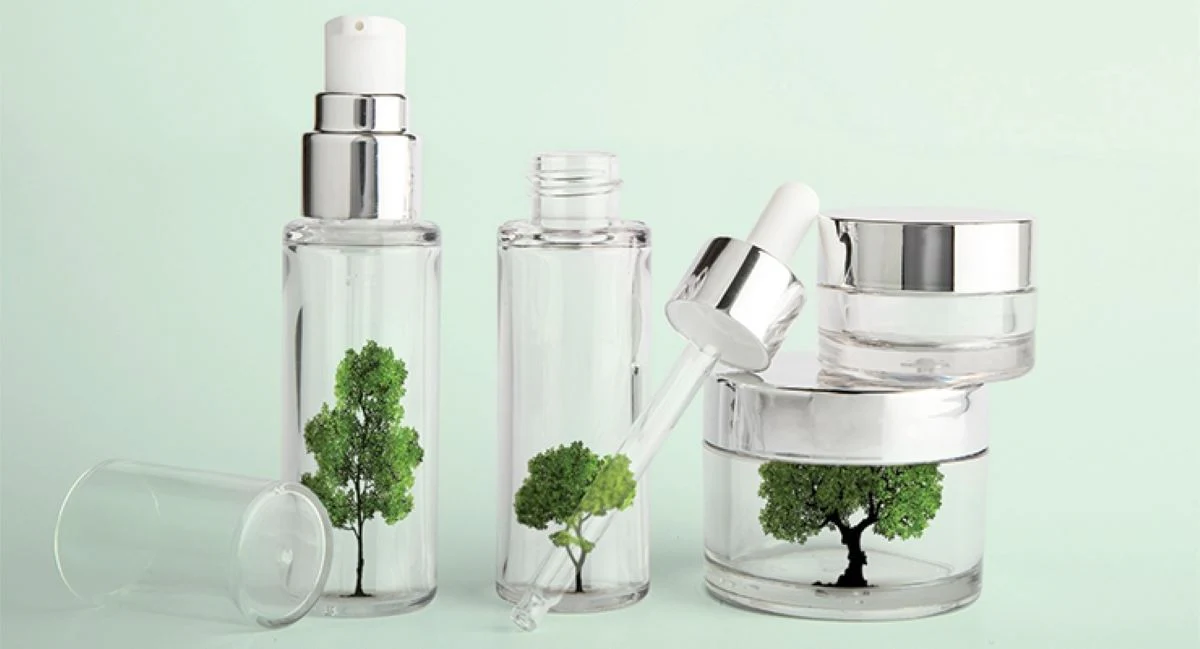
- Rise of Airless Packaging: Airless packaging is becoming more popular in skincare and beauty. It helps protect active formulas and supports the clean beauty trend. Many brands now choose airless bottles for a premium look and better hygiene.
- What’s Driving the Change: More brands are using powerful ingredients, following eco rules, and selling online. These needs push packaging to be safer, stronger, and more sustainable. Airless bottles meet all three goals — they protect, look good, and ship safely.
- New Materials & Refillable Ideas: Packaging makers are now using PCR plastics, bio-based materials, and aluminum-free pumps. Refillable airless bottles are also growing fast, letting users replace only the inside while reusing the outer shell.
- Chances for Small Brands: Small brands can now join this trend too. Many suppliers offer low minimum orders for airless bottles, helping new or niche brands test eco packaging without big costs.
Practical Tips Before Switching to Airless Bottles

Test Formula Compatibility
Before choosing an airless bottle, test how your formula behaves. Check its viscosity and texture to make sure it pumps smoothly without clogging. Also, confirm that the vacuum seal works well and keeps the formula stable over time.
Start with Prototypes
Always make a small prototype batch before mass production. This helps you spot issues early — like leakage, pump strength, or fill level — and make adjustments before investing in full-scale molds.
Ask the Right Questions
When working with your supplier, ask:
What’s the evacuation rate of the bottle?
Are the materials food-grade or ISO-certified?
Can the bottle be taken apart for recycling?
Clear answers to these questions help you avoid costly surprises later.
Compare Costs & Quality
Compare prototype costs with your final mold plan to make sure it fits your budget. During production, focus on quality checks — look for leaks, trapped air, or damage during filling and shipping. A well-tested airless system will protect your formula and your brand reputation.
Ready to Upgrade Your Packaging?
Both airless and pump bottles serve different needs. Airless bottles give stronger protection and a premium feel, perfect for active or preservative-free formulas. Pump bottles are simple, affordable, and reliable for stable products or large-volume lines. The best choice depends on your formula, budget, and the image you want your brand to present.
If you’re looking to upgrade your skincare packaging or explore custom airless solutions, we’re here to help. Our team offers expert support from design to production to make sure your packaging fits your formula and brand goals perfectly. Contact us today to start your project and bring your vision to life.


 EN
 JA
