

Probiotics in skincare are becoming a big trend. They focus on keeping the skin’s natural bacteria in balance to make the skin healthy and strong. When this balance is broken by things like stress, pollution, or harsh products, the skin can become dry, sensitive, or break out. Probiotic skincare helps restore that balance and supports a healthy skin barrier.
More people now want gentle, science-based skincare that works with the skin instead of against it. Probiotics are believed to help with acne, dryness, redness, and aging. In this article, you’ll learn what probiotics are, how they work, and how to choose the right products to keep your skin calm and glowing.
Core Definitions & Concepts

What It Is and How It Works
The skin microbiome is the group of tiny bacteria and other microbes that live on your skin. They help protect it from dryness, irritation, and bad bacteria. When this balance is broken, your skin can become sensitive, dry, or get pimples. Keeping your microbiome healthy helps your skin stay smooth and strong.
Probiotics, Prebiotics, and Postbiotics
These three words sound similar, but they play different roles in skincare.
Probiotics are live “good” bacteria that help balance the skin’s ecosystem.
Prebiotics are the food that helps those good bacteria grow and stay strong.
Postbiotics are the beneficial compounds or by-products that probiotics create — such as enzymes or peptides that soothe and repair the skin.
In skincare, many products combine these ingredients to support the microbiome from different angles. For example, a serum might include postbiotics for gentle repair, while a moisturizer adds prebiotics to nourish skin-friendly bacteria.
The Gut-Skin Axis
Your skin and your gut are connected. A healthy gut can make your skin look better by lowering inflammation. Probiotics in food or supplements work from the inside, while probiotic skincare works on the outside. Using both can help support your skin’s natural balance.
How Probiotics Influence Skin Health

Reduce Inflammation
Probiotics help calm the skin when it’s red, itchy, or irritated. They work with your skin’s immune system to reduce inflammation and support healing. This makes them helpful for sensitive or acne-prone skin.
Fight Bad Bacteria
Good bacteria from probiotics can stop harmful bacteria from growing. This keeps your skin balanced and helps prevent breakouts or irritation.
Strengthen the Skin Barrier
Probiotics help your skin make more natural oils and ceramides, which keep it soft and moisturized. They also stop too much water from escaping, so your skin stays smooth and healthy.
Protect Against Damage
Some probiotics have antioxidant effects that help protect your skin from sunlight and pollution. They can also help your skin repair itself faster after stress or sun exposure.
Formulation & Product Strategies
Live vs. Non-Live Probiotics
Not all probiotics in skincare are alive. Some products use live bacteria, while others use non-live (or fermented) extracts. Live probiotics can be very effective, but they’re harder to keep stable. Heat, light, and oxygen can kill them, which makes shelf life a big challenge. That’s why many brands now use non-live probiotics or postbiotics, which are easier to store and still give similar skin benefits.
Different Product Types
Probiotics can be found in many forms — creams, serums, lotions, masks, sprays, and even encapsulated beads. Creams and serums are the most common because they stay longer on the skin and help the ingredients absorb better. Sprays and masks are quick ways to refresh or soothe the skin’s microbiome.
Mixing with Other Ingredients
Probiotic skincare can work well with many actives, but not all. Strong acids, alcohol, or antimicrobial agents can harm probiotics and reduce their effect. If you use retinol, vitamin C, or exfoliating acids, it’s best to apply probiotic products at a different time of day — for example, probiotics in the morning and actives at night.
Reading Labels and Claims
When choosing a probiotic product, check the label for strain names (like Lactobacillus or Bifidobacterium) and testing details. Some brands also list CFU counts — the number of live bacteria in the formula.
While not all products need live probiotics, transparency helps you know what you’re getting. Because probiotic skincare is still new, regulations differ by country, and not all claims are backed by clinical proof.
How to Evaluate or Select a Quality Probiotic Skincare Product
1. Check the Label and Ingredients
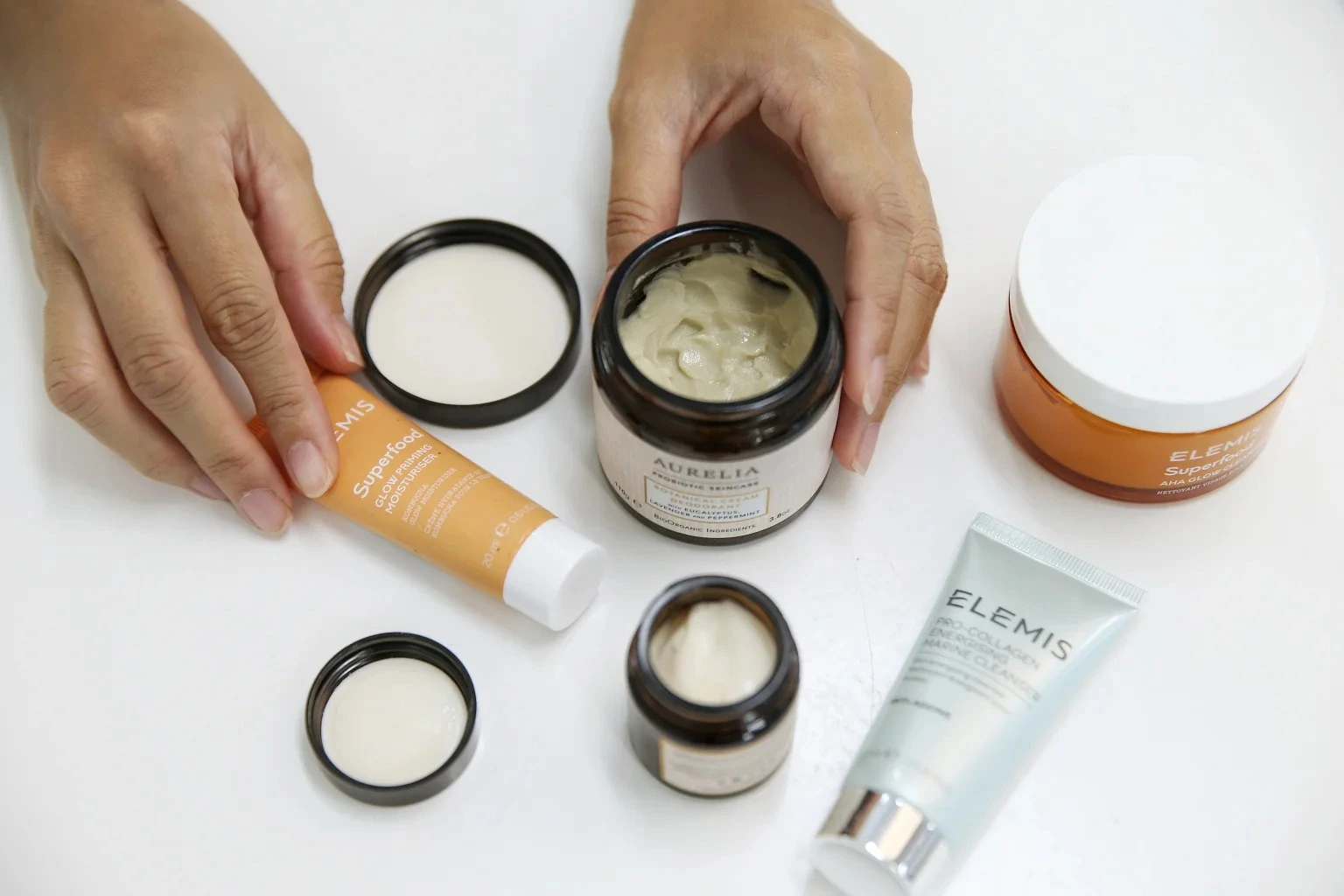
A good probiotic skincare product should be clear about what’s inside. Look for strain names like Lactobacillus or Bifidobacterium and make sure the product mentions testing or stability information. If it lists CFU counts or clinical research results, that’s even better — it shows the brand takes science seriously.
2. Match the Product to Your Skin Needs
Not all probiotics are the same. Some are better for calming sensitive skin, while others target acne or dryness.
For example, Lactobacillus is often used to strengthen the skin barrier, while Bifidobacterium helps with hydration and soothing. Pick a formula that matches what your skin needs most.
3. Monitor Your Skin’s Response
Probiotic skincare can take a few weeks to show results. Use the product consistently and watch how your skin reacts. If it feels calmer, softer, and more balanced, you’re on the right track. If you notice irritation or no improvement after a month, adjust your routine or try a different formula.
Ready to Embrace Probiotic Skincare?
Probiotic skincare is more than just a trend. It helps balance your skin’s natural bacteria, calm irritation, and keep your skin healthy and strong. When your microbiome is in balance, your skin looks smoother, softer, and more glowing.

As science grows, probiotic skincare will become even more effective. If you want to find or create your own probiotic skincare products, contact us today — we’re here to help you make high-quality, safe, and skin-friendly formulas.


 EN
 JA
