

Adding toner to your skincare routine can make a noticeable difference in your skin’s health and appearance.
Whether you’re new to toners or looking to get the most out of them, this guide focuses on how to apply toner correctly and how to get the most benefit from it in your routine.
What Toner Does

Toner is a leave-on step used after cleansing to hydrate, soothe, or lightly refine the skin. This page focuses on how to apply toner correctly rather than explaining toner in detail.
Choosing the Right Toner for Your Skin Type

Choose toner based on skin needs:
Hydrating for dry skin
Oil-control or exfoliating for oily skin
Soothing for sensitive skin
But correct application affects results more than product choice.
Best Application Techniques for Different Skin Types
How you apply your toner can impact its effectiveness. Here’s a guide to different application techniques based on your skin type.

Method 1: Using a Cotton Pad
- Best For: Oily, combination, and acne-prone skin.
- How to Apply: Soak a cotton pad with toner and gently swipe it across your face, focusing on areas with more oil or clogged pores.
- Benefits: Cotton pads provide gentle exfoliation, removing any impurities left behind. They also help clear away excess oil, creating a fresh base for the next steps.

Method 2: Patting with Clean Hands
- Best For: Dry, sensitive, and mature skin.
- How to Apply: Pour toner into your hands and gently pat it onto your face, focusing on drier areas.
- Benefits: Patting toner in allows you to feel where your skin needs extra attention and helps prevent product waste.
Step-by-Step Guide to Using Toner in Your Routine
Consistency is vital to any skincare routine. Here’s how to incorporate toner step-by-step for the best results.

Step 1: Cleanse Your Face
- Why It’s Important: Cleansing removes dirt, oil, and impurities, allowing toner to penetrate more effectively.
- Tip: Use a gentle cleanser that won’t strip your skin.

Step 2: Apply Toner
- How to Apply: Use your preferred method (cotton pad, patting with hands, or mist).
- Focus Areas: For oily skin, concentrate on the T-zone; for dry skin, focus on cheeks and other dry spots.

Step 3: Follow with Serums or Treatments
- Why: Toner prepares the skin to absorb treatments more effectively. Apply targeted serums like Vitamin C or hyaluronic acid while the skin is slightly damp for enhanced absorption.
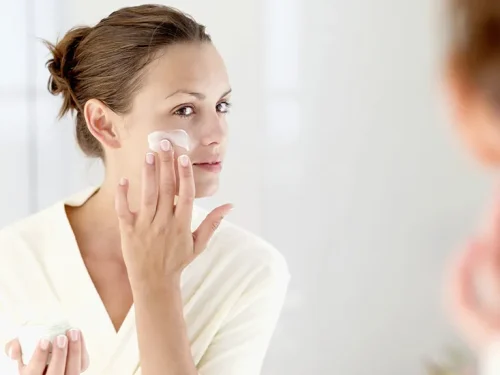
Step 4: Moisturize to Lock In Hydration
- Why It’s Important: A good moisturizer seals in the hydration from your toner and treatments, leaving skin soft and hydrated.

Step 5: Sunscreen (Daytime Only)
- Why: Protecting your skin from UV damage is essential to maintain the benefits of your skincare routine and prevent premature aging.
For full layering logic, see How to Layer Skincare.
Additional Tips for Optimizing Toner Use

Frequency of Use
For most skin types, toner can be used twice daily—morning and night. However, sensitive or dry skin types may benefit from using it once daily or every other day to avoid irritation.
Avoid Alcohol-Based Toners
Alcohol can be drying and harsh, especially for dry or sensitive skin. Look for alcohol-free options for a gentler experience.
Common Mistakes to Avoid When Using Toner
Even though toner is straightforward to use, a few common mistakes can prevent you from getting the best results. Here’s what to avoid to ensure your skin reaps all the benefits:

Over-Exfoliating
Exfoliating toners with AHAs or BHAs too frequently can strip your skin’s natural barrier, causing dryness, sensitivity, and even breakouts.
If your toner contains acids, use it 2–3 times a week and gradually increase as your skin adjusts. Listen to your skin—reduce usage if it starts feeling tight or irritated.
Using Too Much Product
Applying less toner doesn’t provide extra benefits and can save product.
You only need a small amount—enough to lightly cover the skin—if you’re using a cotton pad. Make sure it’s damp but not dripping.
Applying Toner Incorrectly
Skipping moisturizer after toner can dehydrate your skin, as toner alone won’t lock in moisture.
Always follow toner with a moisturizer to seal in hydration and keep your skin soft and balanced.
Ignoring Your Skin Type
Not all toners are suitable for all skin types, and using the wrong type can lead to imbalances or irritation.
Choose a toner based on your skin’s specific needs, whether hydration, oil control, or soothing. Look for ingredients that match your skin’s requirements.

Conclusion
Correct toner application improves comfort and hydration, but toner itself remains optional. Use it only when your skin benefits from it, and keep routines simple and consistent.


 EN
 JA
