

What Is a Toner?
A toner is a lightweight leave-on step used after cleansing to help skin feel more comfortable before the rest of a routine. Modern toners mainly focus on light hydration and soothing rather than oil stripping.
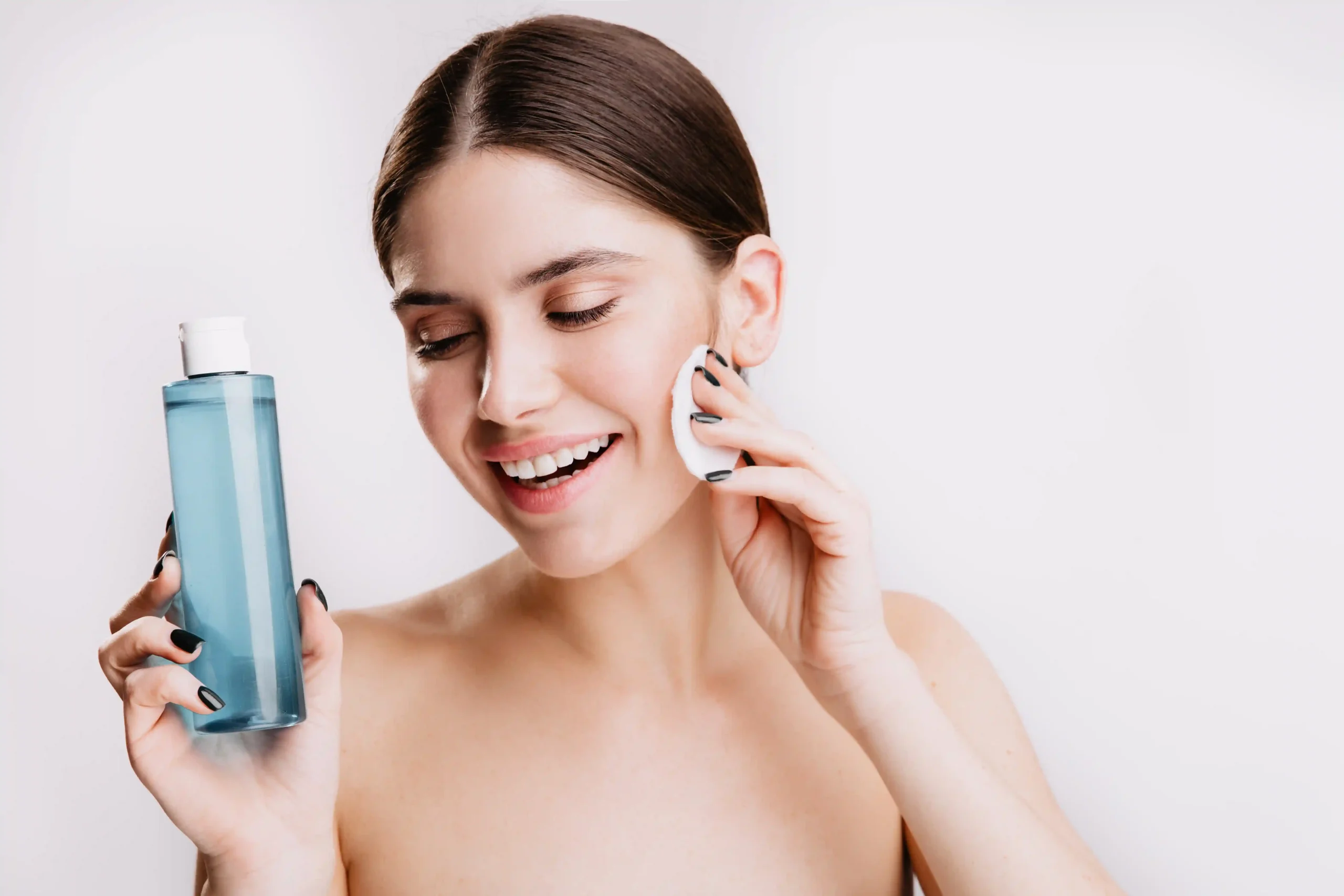
What Toner Actually Does
- Adds light hydration after cleansing
- Helps skin feel calmer and more comfortable
- Makes following products apply more smoothly
When Toner Is Helpful
Toner can help when skin feels tight or dehydrated after washing. However, if your skin already feels comfortable after cleansing and moisturizer works well, toner can usually be skipped without affecting routine results.
What Is a Serum?
A serum is a treatment-focused skincare step used after cleansing (and toner, if used) to address specific skin concerns such as dryness, breakouts, dullness, or uneven tone.

What Serum Actually Does
- Delivers concentrated active ingredients
- Targets specific skin concerns
- Acts as the routine’s main treatment step
When Serum Becomes Useful
Serums are most helpful when there is a clear concern you want to improve. If skin already feels balanced and comfortable, a simple cleanse-and-moisturize routine may already be enough.
Key Differences Between Toner and Serum
| Aspect | Toner | Serum |
|---|---|---|
| Main Purpose | Prepares and lightly hydrates skin after cleansing | Targets specific skin concerns |
| Texture | Watery and lightweight | Slightly thicker or gel-like |
| Function | Adds light hydration and improves comfort | Delivers focused treatment support |
| When Used | After cleansing, before serum or moisturizer | After toner, before moisturizer |
| Main Benefit | Helps skin feel balanced and ready for next steps | Helps address concerns like dryness, dullness, or breakouts |
Which One Do You Actually Need?
The choice between toner and serum depends on what your skin actually needs, not on how many steps a routine seems to include.
- If your goal is to address a specific concern—such as dryness, dullness, uneven tone, or breakouts—a serum is usually the more useful step, since it focuses on targeted treatment.
- If your skin often feels tight or uncomfortable right after cleansing, a toner can help restore comfort and add light hydration before the next steps.
- If your skin already feels comfortable after washing and your moisturizer works well, toner may not add much value.
In practice, most people don’t need both steps every day. Choose based on skin response and priorities rather than routine trends.

How to Use Toner and Serum Together
When both toner and serum are used in the same routine, toner comes first and serum follows. The goal is not to add complexity, but to let each step serve a clear role.
A simple structure looks like this:
Cleanser → Toner → Serum → Moisturizer → Sunscreen (morning)
Toner is applied after cleansing to add light hydration or comfort. Serum follows as the step that targets specific concerns. Moisturizer then helps maintain comfort, and sunscreen finishes the morning routine for protection.
Not every routine needs both toner and serum. If one step already meets your skin’s needs, adding more products does not automatically improve results.
Conclusion
Toner and serum serve different roles: toner helps prepare and comfort the skin after cleansing, while serum focuses on treating specific concerns.
Many routines work well with only one of these steps. Using both is optional and should depend on how your skin feels and what you want to address.
Simple routines based on real skin needs usually deliver better long-term results than adding extra products.


 EN
 JA
