How to Identify and Treat Fungal Acne

Confused about fungal acne? Learn how to identify it and treat it effectively with dermatologist-approved solutions and at-home tips.

Question: How to Identify and Treat Fungal Acne?

Answer: Fungal acne is caused by yeast overgrowth and appears as small, itchy bumps, usually on the forehead, chest, or back. It doesn’t respond to typical acne treatments. To treat it, avoid oily products, shower after sweating, and use antifungal treatments. Wear breathable fabrics and manage moisture to prevent it from coming back. See a dermatologist if needed for proper diagnosis and treatment.

Fungal acne, medically known as Malassezia folliculitis, is a skin condition caused by an overgrowth of yeast in the hair follicles—not bacteria like typical acne. This can lead to small, itchy, and uniform bumps, most commonly on the forehead, chest, and upper back.

How to Identify Fungal Acne

Neck area showing red fungal acne inflammation - How to Identify and Treat Fungal Acne 2026 - Zicail

Unlike acne vulgaris, which is caused by clogged pores and often includes blackheads or pus-filled pimples, fungal acne:

  • Appears as tiny, same-sized red or white bumps

  • Often itches, especially in warm or humid environments

  • Clusters on the upper body (forehead, chest, back)

  • Does not improve with antibiotics (may actually worsen)

Another sign is when breakouts don’t respond to standard acne treatments, or seem to flare up after wearing sweaty clothes, using oil-based skincare, or living in a hot, humid climate.

Dermatologists usually diagnose fungal acne through a visual exam. In some cases, they may perform a skin scraping, biopsy, or use a Wood’s lamp to confirm the presence of yeast.

How to Treat Fungal Acne
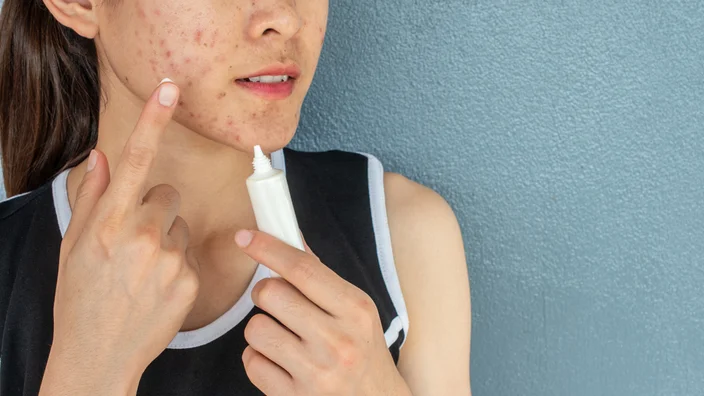
Applying cream to face with fungal acne breakout - How to Identify and Treat Fungal Acne 2026 - Zicail

Effective treatment involves addressing the yeast overgrowth and any contributing lifestyle factors.

For mild cases, you can try:

  • Anti-dandruff shampoos (like those with ketoconazole or selenium sulfide) used as a body wash

  • Leaving the shampoo on affected areas for about 5–10 minutes before rinsing

For more persistent or severe cases, dermatologists often prescribe:

  • Oral antifungal medications (like itraconazole) to reduce yeast from the inside out

  • A maintenance plan to prevent recurrence, which may include weekly topical treatments

It’s also important to avoid oily products, shower promptly after sweating, and wear breathable fabrics to reduce moisture buildup.

With the right treatment and lifestyle adjustments, fungal acne can be managed effectively—and recurrence can be minimized with proper prevention.

Conclusion

Before and after fungal acne forehead treatment - How to Identify and Treat Fungal Acne 2026 - Zicail

Fungal acne is caused by yeast, not bacteria, and shows up as small, itchy bumps—often confused with regular acne. Once properly identified, it can be treated with antifungal products and simple care steps to keep it from coming back.

Not sure if you’re dealing with fungal acne? Reach out to Zicail. We’re here to help you choose the right skincare and get your skin back on track.

Picture of Emma

Emma

Emma has 6 years of experience in the skincare industry, with a strong focus on formulation logic, ingredient function, and real-world skin behavior. She is especially interested in how different skin types respond to routines and products, and she regularly studies professional skincare and dermatology resources to improve her practical guidance. Note: Emma is not a medical professional. Her writing is based on industry experience and continuous learning. For persistent skin issues, consult a dermatologist.

Table of Contents

Like this post? Share it on:

Related Articles for You

en_USEN
Rose-Makeup-Remover

Get Wholesale Prices & Custom Requests