

Bags under the eyes are a common concern, especially as we age. While they’re usually harmless, they can make you look tired or older than you feel. The good news is—there are both short-term fixes and long-term treatments to help reduce puffiness and restore a fresher appearance.
Common Causes of Under-Eye Bags
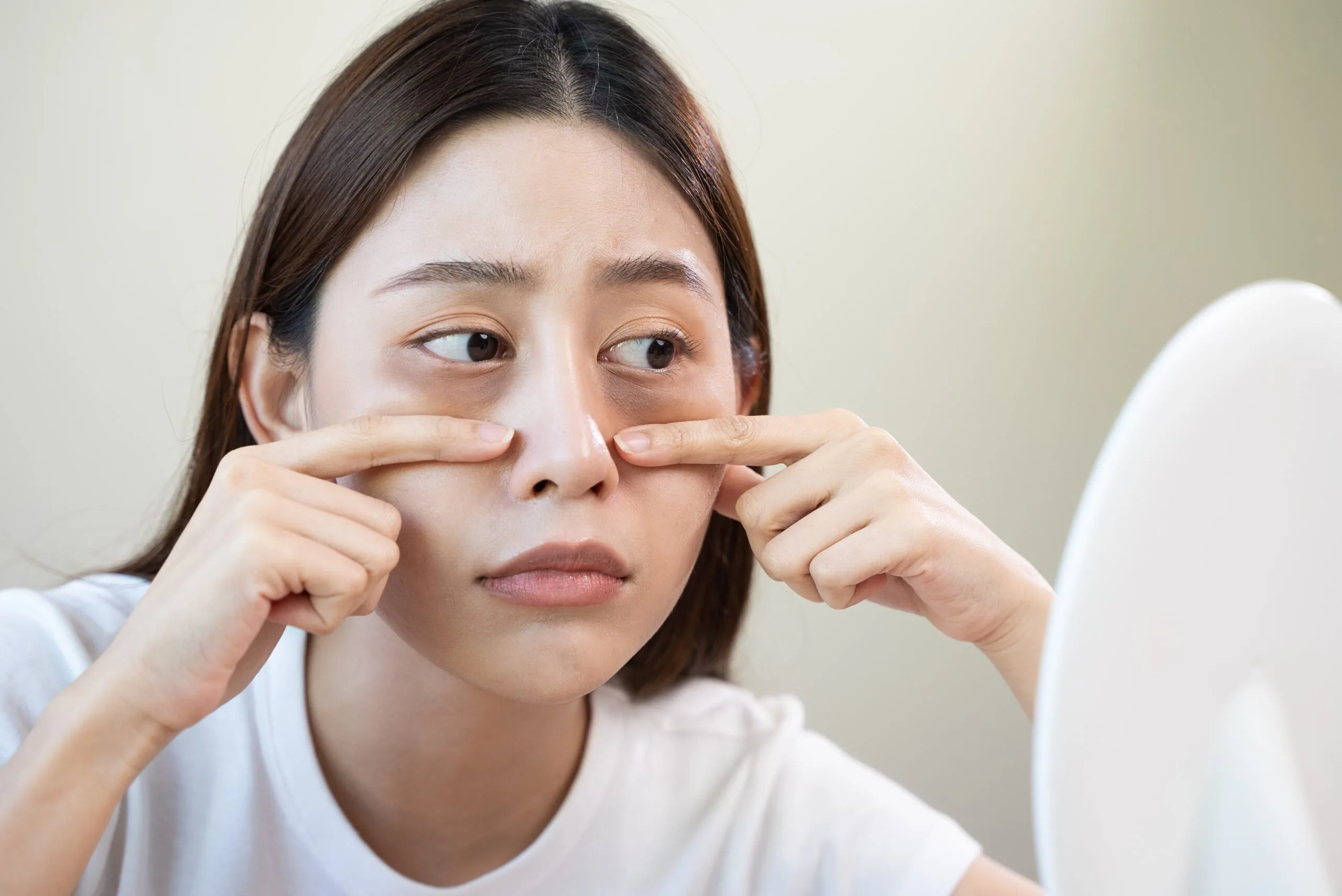
The most common cause is aging. Over time, the skin and muscles around your eyes weaken, allowing fat to bulge and fluid to collect in the area. Other triggers include lack of sleep, high salt intake, allergies, smoking, and even genetics. In some cases, medical conditions like thyroid problems can also lead to puffiness.
At-Home Remedies to Reduce Puffiness

- Cold Compresses: Applying something cold—like a chilled spoon, tea bags, or a wet washcloth—can help reduce swelling by constricting blood vessels.
- Sleep and Elevation: Aim for 7–9 hours of sleep each night. Sleeping with your head slightly elevated can prevent fluid from pooling around your eyes.
- Watch Your Diet: Reduce salt intake and avoid drinking fluids right before bed. These steps can help prevent overnight water retention.
- Quit Smoking: Smoking speeds up collagen loss, making under-eye skin thinner and more prone to puffiness.
- Use Caffeine-Based Products: Caffeine is a natural vasoconstrictor. Many eye creams now include it to temporarily shrink blood vessels and tighten the skin.
- Manage Allergies: Treating seasonal allergies and avoiding triggers can minimize puffiness and under-eye irritation.
Medical Treatments for Eye Bags
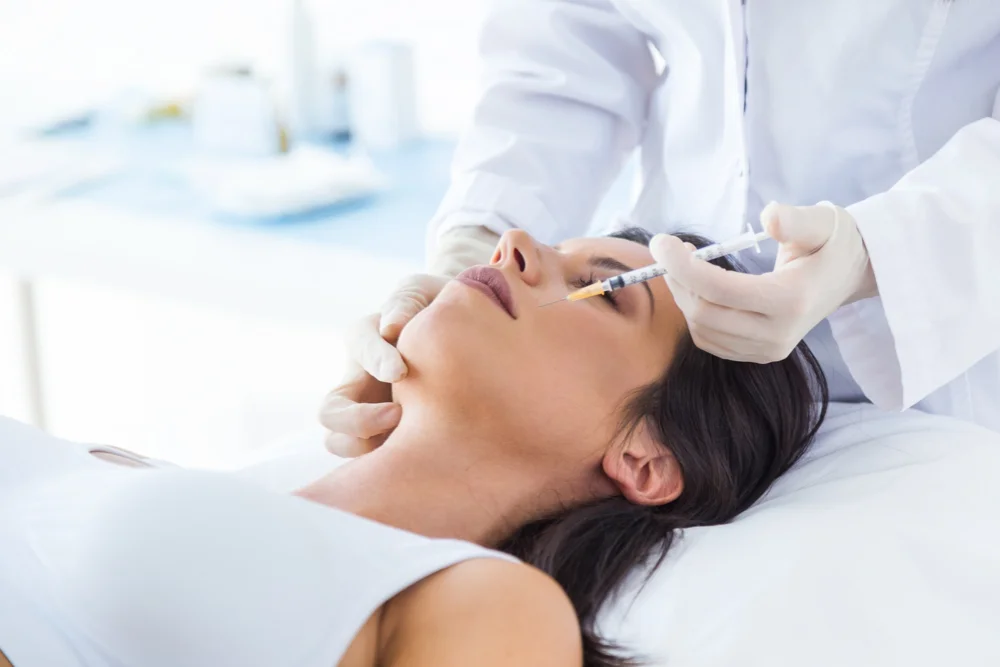
- Fillers: Hyaluronic acid injections help smooth the transition between the lower eyelid and the cheek, reducing the appearance of hollows.
- Laser Resurfacing or Chemical Peels: Both procedures improve skin tone and stimulate collagen to firm the area under the eyes.
- Eyelid Surgery (Blepharoplasty): For more permanent results, a lower eyelid lift can remove or reposition fat and tighten loose skin.
Final Thoughts
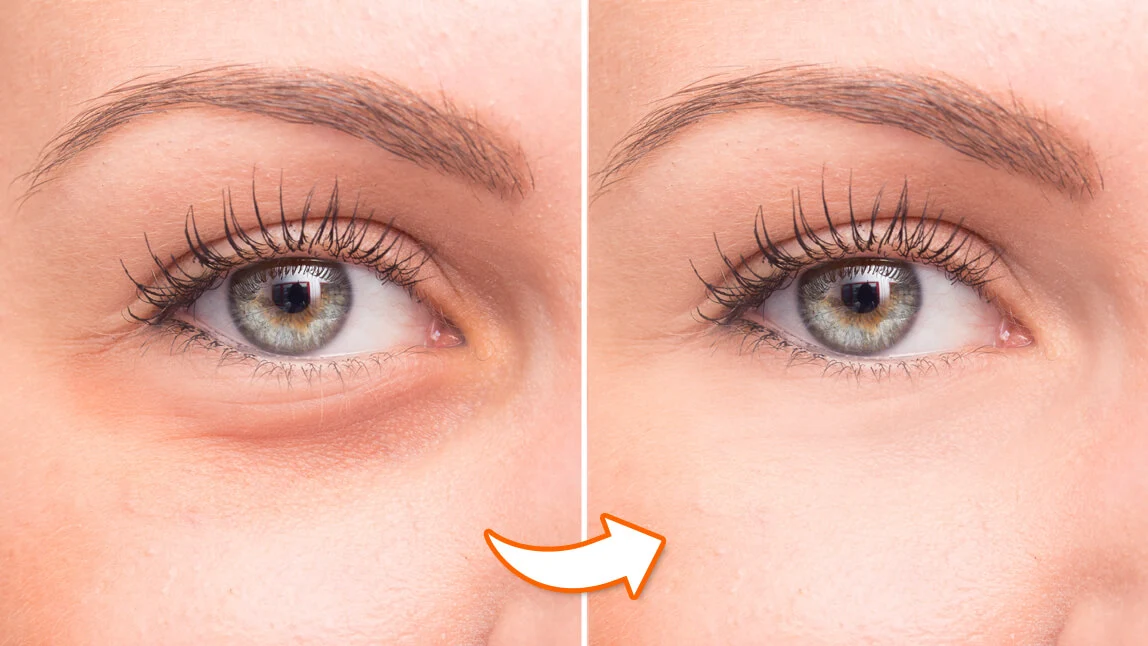
Bags under the eyes are common, but you don’t have to just live with them. Simple steps like getting enough sleep, using cold compresses, eating less salt, and managing allergies can help a lot. If those don’t work, medical treatments like fillers or eyelid surgery can offer longer-term results.
At Zicail, we’re here to help. If you’re looking for gentle and effective skincare to reduce puffiness and brighten your under-eye area, feel free to contact us. We’re happy to support your skincare journey.


 EN
 JA
