

Now is a great time to start a skincare line because the beauty market is growing, and people are looking for clean, simple, and effective products. New brands have a real chance to stand out.
But starting a skincare line is more than creating a formula. It also means building a brand, understanding customers, and following safety rules. With a mix of creativity and careful planning, you can turn your idea into a strong, successful skincare business.
Research & Market Positioning

Before creating your products, you need to understand the skincare market (1).The industry is full of new trends like clean beauty, gentle formulas, and problem-solving products. These growing areas give small brands great opportunities to enter the market with something fresh.
The next step is choosing your niche (2). Instead of trying to please everyone, focus on one group—such as men’s skincare, sensitive skin, eco-friendly products, or kids’ skincare. A clear niche helps your brand stand out and makes your message stronger.
Then, define your target audience (3). Think about their age, skin concerns, lifestyle, and what influences their buying decisions. This helps you understand what they want and how they shop.
When you know who you’re creating products for, you can design formulas, packaging, and marketing that truly connect with them.
Brand Concept & Identity

- Mission, Values & USP: Start by setting (4) your brand mission, values, and unique selling point (USP). This explains what your brand stands for and what makes it different—clean ingredients, gentle formulas, or simple routines.
- Name, Visual Style & Packaging: Choose a brand name that’s easy to remember. Then create your visual style and packaging look. Your colors, fonts, and bottle designs should match the feeling you want customers to have, whether it’s clean, natural, or luxurious.
- Storytelling: Share your brand story. Tell people why you started, what inspires your formulas, or how you support sustainability. A simple, honest story helps customers connect with your brand.
- Positioning & Pricing: Decide where your brand fits in the market—budget-friendly, mid-range, or premium. Your pricing should match your ingredients, packaging, and target audience. Clear positioning makes your brand easy to understand and remember.
Product Strategy & Development

Decide Your Product Range
Before you start making products, choose whether you’ll launch with one hero product or a small full line. A hero product keeps things simple and helps you focus on one strong formula.
A small line gives customers more choices but requires more budget and planning. Pick the path that fits your goals and resources.
Choose Your Formulation Method
You can create formulas in-house, work with a contract manufacturer, or use private-label products.
In-house: full control, but requires knowledge, equipment, and safety testing.
Contract manufacturer: custom formulas made by professionals.
Private-label: fastest and easiest option, great for beginners.
Source Ingredients & Packaging
Next, focus on ingredients and packaging. Look for safe, high-quality materials that match your brand values. Think about cost, performance, and sustainability. Your packaging should protect the formula, look good, and feel comfortable to use.
Test for Safety & Stability
Every product needs proper safety, efficacy, and stability testing. This step shows your formula works, stays safe over time, and meets basic cosmetic standards. Testing is not optional—it’s essential for customer trust and legal compliance.
Regulatory & Compliance Considerations

Cosmetic Laws & Labeling
Skincare products must follow basic cosmetic laws. This includes using safe ingredients and listing them correctly on the label. Your label should also include directions, warnings, and your business details. Clear labeling keeps your product legal and builds customer trust.
GMP & Documentation
All products should be made under Good Manufacturing Practices (GMP). This means clean work areas, proper equipment, and clear records of each batch. Whether you make products yourself or use a manufacturer, GMP helps ensure safety and consistency.
Selling in International Markets
If you plan to sell overseas, be ready for different rules. Some countries need extra tests or special documents before products can be sold. Learning these requirements early helps you avoid delays and stay compliant in every market.
Manufacturing, Supply Chain & Logistics

Choosing a Manufacturer
Pick a reliable manufacturer that offers good quality, clear communication, and reasonable MOQs. Ask about samples, pricing, and production timelines. Choose a partner who fits your budget and can support your long-term growth.
Setting Up Your Supply Chain
Plan how you’ll get your ingredients, packaging, and inventory. Keep materials easy to reorder and track your stock so you never run out. A simple, organized supply chain helps your business run smoothly.
Quality Control & Shipping
Check your products during filling, labeling, and packing to make sure everything looks right. Store products in a safe, clean space and choose shipping options that protect them from leaks or damage. Good quality control and reliable shipping keep customers satisfied.
Pre-Launch Planning

Build Your Online Store or Retail Plan
Before launch, set up your e-commerce website or decide if you’ll also sell through retail partners.
Your online store should be simple to navigate, show clear product details, and make checkout easy. Good photos and clean descriptions help customers trust your brand from the start.
Create Your Marketing Plan
Plan how you’ll get people excited about your brand. Use social media, work with influencers, share helpful content, and set up basic SEO so customers can find you online. Start posting early to build interest before your products are available.
Set Pricing, Promotions & Pre-Orders
Decide on your pricing based on your costs and your target customers. You can offer launch promotions or open pre-orders to build demand. Simple offers—like a small discount or free shipping—can help you attract early buyers.
Prepare for Launch Day
Make sure all your fulfillment, customer service, and return policies are ready. Have packaging, shipping materials, and product stock organized. On launch day, respond quickly to messages and keep customers updated. A smooth first experience helps build trust and repeat sales.
Launch & Customer Acquisition

Build Buzz on Launch Day
When you launch, focus on getting people excited. Share countdown posts, product teasers, and behind-the-scenes content. Ask friends, family, and early followers to help spread the word. The goal is to get as many people as possible to your store on day one.
Support Customers & Collect Feedback
After launch, good customer service (5) is essential. Answer questions quickly and fix any issues fast. Encourage customers to leave reviews and share their thoughts. Their feedback helps you improve your products and website.
Track the Numbers That Matter
Keep an eye on important metrics like:
Customer acquisition cost (CAC): how much it costs to get a new buyer
Retention rate: how many customers come back
Average order value (AOV): how much shoppers spend per purchase
Tracking these numbers early helps you understand what’s working, what needs improving, and where to invest your time and budget next.
Scale & Growth Strategies
Expand Your Products & Markets
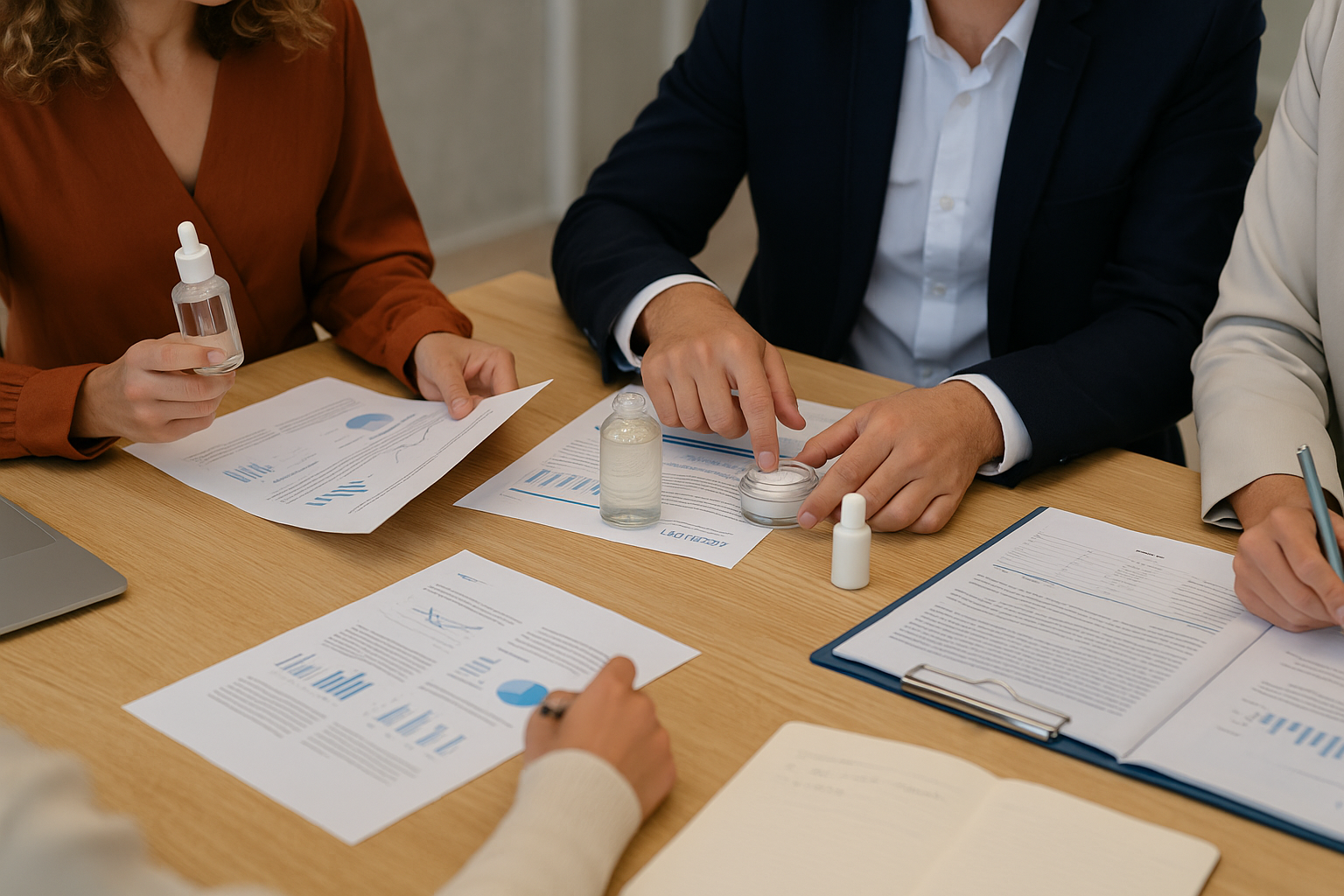
As your brand grows, you can add new products or enter new markets. Start with items that match your best-sellers or solve related skin concerns. If your brand performs well locally, consider selling in other regions or countries to reach a wider audience.
Explore New Sales Channels
Look into retail partnerships, subscription boxes, or selling on marketplaces like Amazon or Etsy. These channels help you reach more customers and create steady sales. A subscription option can also build loyal, long-term buyers who get your products regularly.
Keep Innovating
To stay relevant, keep an eye on trends, new ingredients, and customer feedback. Update formulas when needed, improve packaging, or test new product ideas. Brands that continue to learn and adapt are the ones that grow strong over time.
Ready to Build Your Skincare Brand?
Starting a skincare line is an exciting journey, and you don’t have to do it alone. Whether you need help with formulation, packaging, compliance, or full private-label support, we can walk you through every step and make the process smoother and faster.
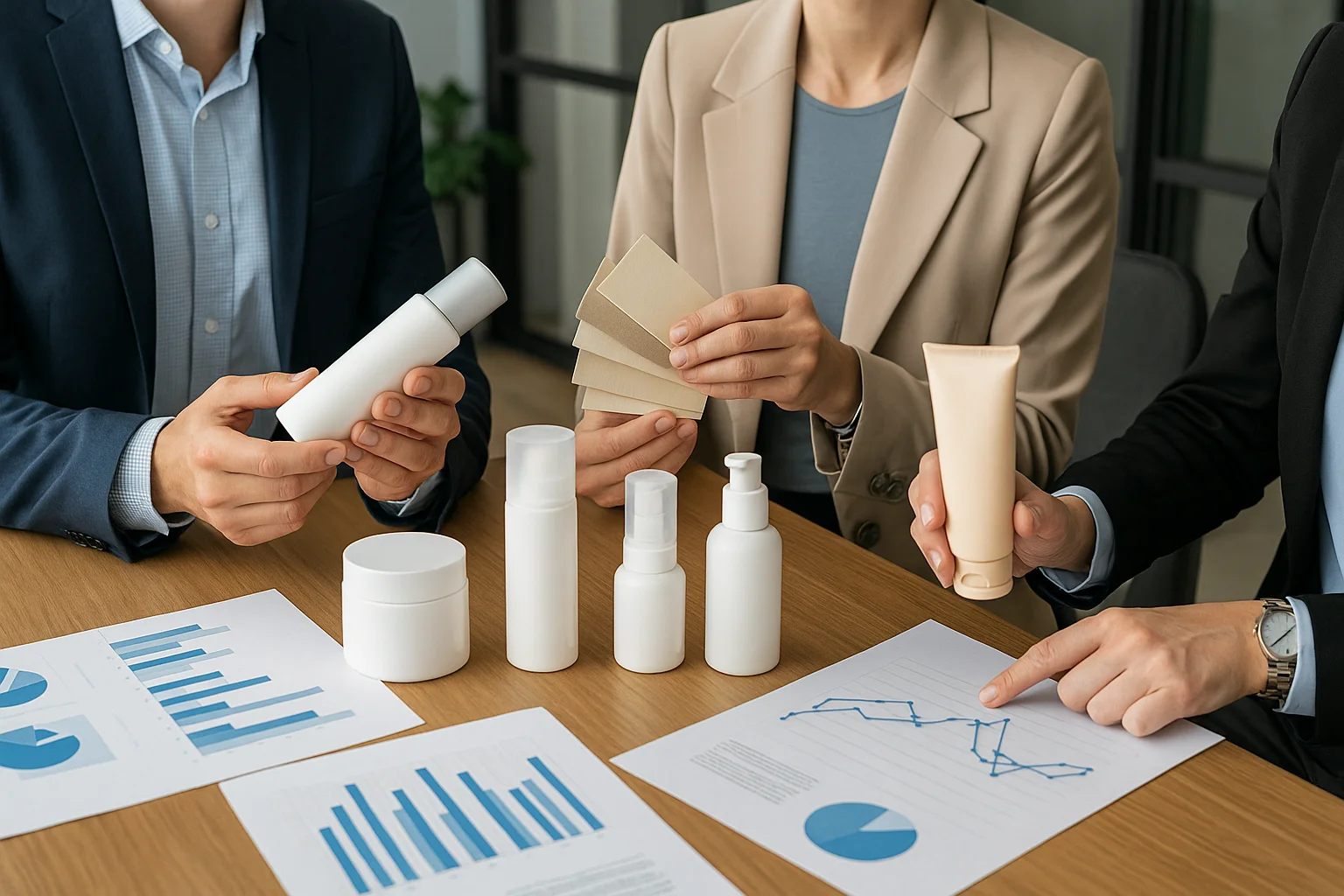
If you’re ready to turn your idea into a real product line, we’d love to help. From choosing the right ingredients to planning your launch strategy, our team can provide practical, hands-on guidance. Reach out to us today, and let’s bring your skincare brand to life with confidence and clarity.
FAQs
How much budget do I need to start a skincare line?
Your budget depends on your product plan and production method. Some founders start with a few thousand dollars using private-label products, while custom formulations and larger runs may cost much more. Starting small helps reduce risk.
Can I launch with just one product first?
Yes. Many successful brands start with a hero product. This approach keeps things simple, lowers costs, and helps you build brand awareness before expanding into a full line.
How do I choose the right manufacturer?
Look at key factors like MOQs, quality, communication, pricing, and production timelines. A reliable manufacturer should offer samples, be transparent about ingredients, and support you as your brand grows.
What regulations do I need to follow if I want to sell internationally?
Every country has different cosmetic rules, including labeling guidelines, ingredient limits, and safety documentation. Research your target market early so you can prepare the correct paperwork and avoid delays when exporting.
How do I know if my launch is successful?
Track important metrics such as:
Customer acquisition cost (CAC)
Retention rate
Average order value (AOV)
These numbers show how well your marketing works, how many customers return, and how much they spend—helping you decide your next steps as you grow your brand.
References for this information:
(1) SBLC Cosmetics, “How to Start a Skincare Line,” SBLC Cosmetics Official Website, 2025.
(2) Shopify, “How to Start a Skincare Line: The Ultimate Guide,” Shopify Official Website, 2025.
(3) Trilogy Laboratories, “The Beauty Influencer’s Guide to Creating a Skincare Line,” Trilogy Laboratories Official Website, 2025.
(4) Selfnamed, “How to Start Your Own Skincare Line,” Selfnamed Official Website, 2025.
(5) CocoJojo, “The Ultimate Guide to Building Your Own Skincare Line,” CocoJojo Official Website, 2025.


 EN
 JA
