

Sustainable packaging matters because skincare products use a lot of plastic that often ends up in landfills or the ocean. Today’s customers want brands that care about the planet and reduce waste. Using eco-friendly or refillable packaging helps cut pollution and builds a stronger, greener brand image.
For skincare buyers, sustainable packaging means choosing materials that protect the product and are safe for the environment. It’s about finding the right balance between beauty, function, and responsibility—so every package looks good and does good.
Defining an End-to-End Sustainable Packaging Framework
Building a Full-Cycle Approach
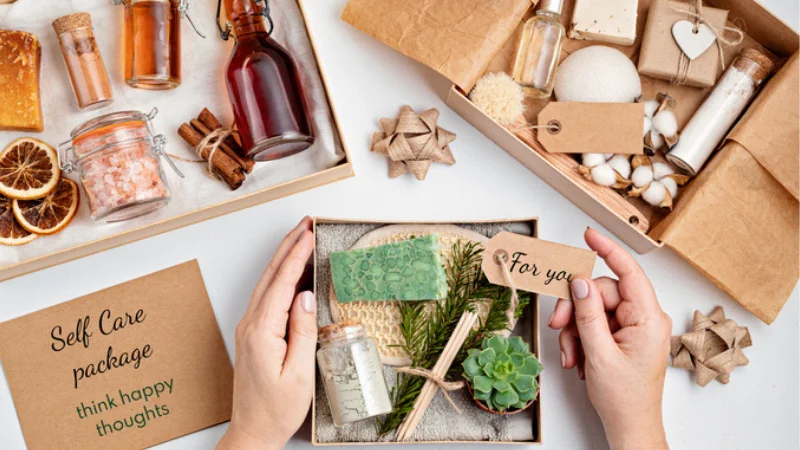
Sustainable skincare packaging means thinking beyond the bottle. It’s about reducing impact at every stage — from material choice, manufacturing, logistics, and consumer use to end of life (1).
Choosing recycled or natural materials, using less energy in production, and designing lightweight packaging all help lower waste and emissions. Refillable or recyclable options make it easy for customers to reuse and reduce plastic waste.
Unique Challenges in Skincare Packaging
Skincare products often have active ingredients that need protection from air, light, or heat. That’s why packaging must be strong enough to keep formulas safe while still being eco-friendly.
At the same time, it should look attractive and match the brand’s image. The challenge is finding packaging that’s safe, sustainable, and stylish — proving that beauty and responsibility can go hand in hand.
Material Selection: What Buyers Need to Know
Common Materials for Sustainable Skincare Packaging
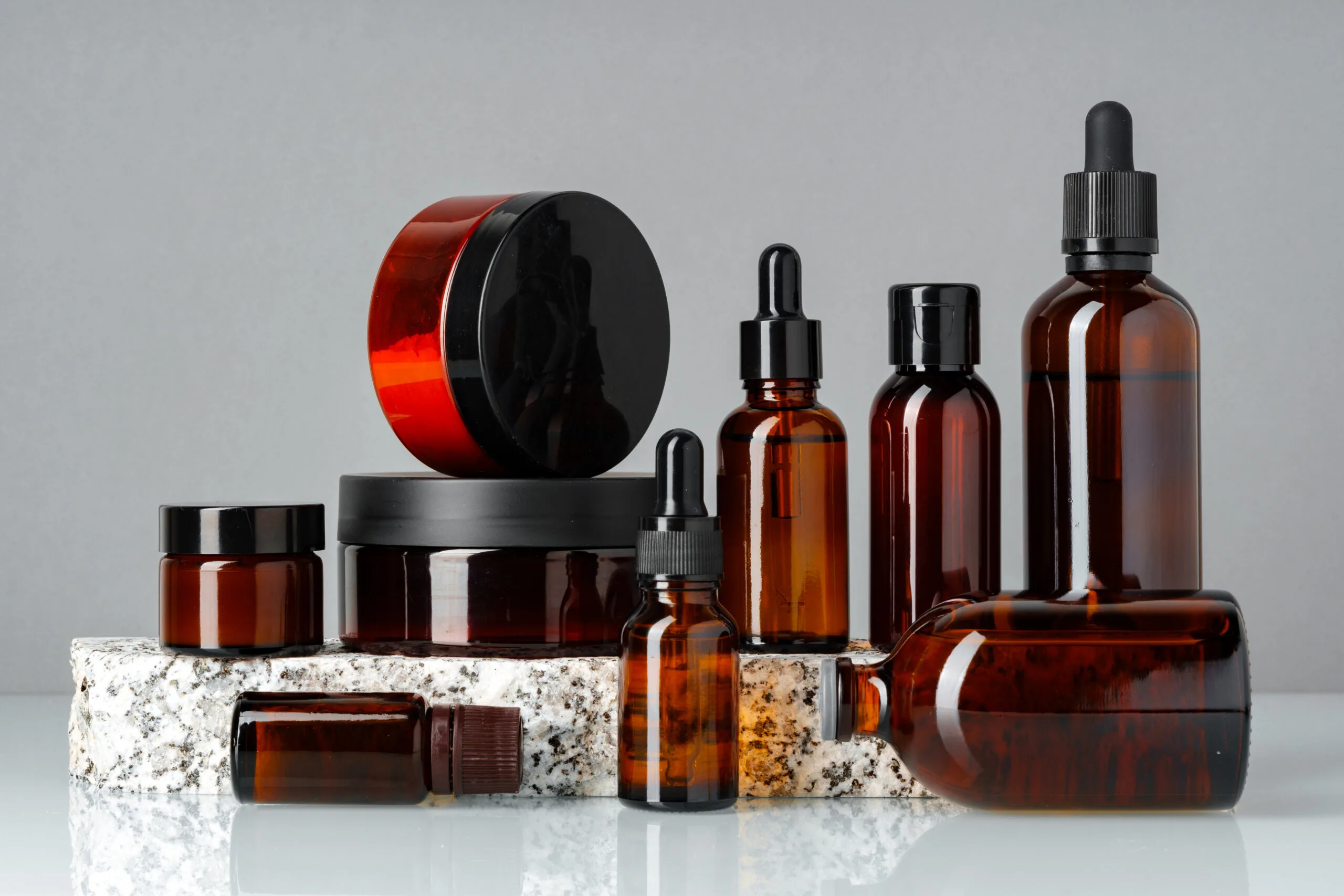
Choosing the right material is the first step toward truly sustainable skincare packaging. Popular options include glass, metal, paper/fibre, recycled PCR plastics, and bioplastics (2).
Glass looks premium and is endlessly recyclable but heavy and easy to break.
Metal is durable and fully recyclable, though it can be more costly to produce.
Paper or fibre is light and biodegradable but often needs coatings to hold liquids.
PCR plastics reuse old plastic, reducing waste, but can have lower clarity and strength.
Bioplastics come from renewable sources like corn or sugarcane, though recycling options remain limited.
Pros, Cons, and What’s Next
Each material has trade-offs in cost, performance, and recyclability. Glass and metal protect products well but increase weight and transport costs, while plastics are cheaper and lighter but less sustainable.
To stay ahead, buyers can explore composite materials, light-weight designs, and innovative bio-based resins that blend performance with eco-friendly goals — helping brands stay both stylish and responsible.
Packaging Design & Functional Performance

Protecting What’s Inside
In skincare, packaging plays a vital role in keeping products safe. Many formulas are sensitive to UV light, air, and bacteria, so packaging must block these elements to keep the product fresh and effective.
It should also be easy to open, close, and use without spills or waste. Good design protects the formula while giving customers a smooth, reliable experience.
Designing for Sustainability
Smart packaging design reduces waste and improves function. Using fewer layers, refillable or returnable containers, and modular parts helps lower material use and makes recycling easier.
How Design Shapes Green Perception
People often judge how eco-friendly a brand is by its packaging. Simple, minimal designs (3) and refill options make products look more sustainable, while bulky or flashy packaging can seem wasteful. For buyers, great design protects the product, supports the planet, and builds stronger brand trust.
Circularity & End-of-Life Considerations

Moving Toward a Circular System
Sustainability doesn’t end when the product is used — it continues with how the packaging is handled afterward. A circular system focuses on recycling, composting, and refill or return models to keep materials in use longer.
However, real recycling options differ by region, and not all “eco” packaging can be easily processed, which makes smart design and clear labeling important.
The Role of Consumers
The success of any recycling or refill system depends on people. If customers don’t know how or where to return packaging, it often ends up as waste. Simple instructions, clear recycling symbols, and easy return steps help encourage participation and make sustainability part of everyday life.
Creating New Value Through Reuse
More skincare brands now use take-back and refill programs that reward customers for returning empty containers.
These systems cut waste and build stronger brand loyalty. For buyers, supporting packaging designed for reuse helps close the loop — giving every bottle and jar a meaningful second life.
Supply Chain & Procurement from the Buyer’s Perspective

Evaluating the Right Suppliers
Finding the right packaging supplier is key to building a sustainable skincare brand. Look for partners with certifications like FSC or ISO 14001, good traceability, and clear production data.
Check their minimum order quantities, pricing, and delivery times to be sure they can meet your needs while staying eco-friendly.
Managing Key Risks
Buyers should watch for risks such as material shortages, rule changes, and greenwashing. Always verify supplier claims and ask for proof of material sources to make sure their products are truly sustainable.
Simple Buyer Checklist
Check certifications and material sources
Review MOQs, costs, and lead times
Test samples for strength and safety
Ask about recyclable or refillable options
Strong partnerships and careful supplier checks help ensure your packaging is both reliable and sustainable.
Regulatory, Certification & Claims Integrity

Global Packaging Rules
Sustainable skincare packaging must follow local laws. In the EU, strict recycling and labeling rules help reduce waste. In the US, each state may have different standards, so buyers need to confirm that materials and labels meet all legal requirements before production.
Avoiding Misleading Claims
Terms like “recyclable,” “compostable,” or “eco-friendly” should always be backed by facts. Using vague or unverified claims can lead to greenwashing and damage brand trust.
Always explain clearly what makes the packaging sustainable and under what conditions it can be recycled or reused.
Certifications That Build Trust
Look for certifications such as FSC (responsible paper sourcing), ISO 14001 (environmental management), and Cradle to Cradle (circular design). These labels give buyers and customers confidence that your packaging is truly sustainable, not just a marketing claim.
Cost vs Value: The Business Case for Buyers

Understanding the Cost
Sustainable packaging can cost more upfront because of materials, manufacturing, logistics, and end-of-life handling. However, lighter, recyclable, or refillable designs often save money in the long run by cutting shipping costs, reducing waste, and meeting new regulations.
The Real Value
Eco-friendly packaging isn’t just a cost — it’s an investment. Many customers are willing to pay more for brands that care about the planet. It also helps reduce supply risks and makes your brand stand out in a crowded market.
How Buyers Can Build a Strong ROI
To make a solid business case, buyers should:
Compare short-term and long-term costs, including savings from lighter shipping and fewer returns.
Highlight how sustainable packaging supports brand positioning and consumer loyalty.
Track key metrics such as carbon reduction, waste savings, and customer response.
Aligning sustainability with brand strategy turns packaging from a simple expense into a long-term competitive advantage — one that pays off in reputation, compliance, and customer trust.
Ready to Take Your Skincare Packaging to the Next Level?
Sustainable skincare packaging is about more than looks — it’s about protecting your product and the planet. By choosing eco-friendly materials, smart designs, and reliable suppliers, brands can reduce waste, meet market demand, and build stronger customer trust.
Let’s build packaging that looks beautiful, performs perfectly, and respects the planet. Contact us today to explore custom sustainable packaging solutions designed to fit your brand’s goals — combining performance, style, and environmental responsibility.
FAQs
How much added cost does sustainable skincare packaging typically bring?
Switching to sustainable packaging often comes with higher upfront costs—due to materials, production changes, and logistics. But these costs can be offset over time by lighter shipping weights, fewer returns, and stronger brand loyalty.
Is a “refillable” system always the best option for sustainability?
Not always. Refillable systems are powerful for reducing waste, but they also require consumer participation and logistics infrastructure (e.g., return systems, sterilization). For brands without access to such infrastructure, other circular strategies (like easily recyclable mono-materials) might make more sense.
How do I know if the packaging is really recyclable in practice?
A packaging design might be “technically recyclable,” but that doesn’t guarantee it will be recycled—especially if local collection, sorting, and processing are limited. Always check local recycling capabilities and choose materials that align with existing systems.
What happens when regulations change in a key market?
Regulations around packaging, recycling, and “green claims” are evolving rapidly. If your packaging doesn’t adapt, you risk non-compliance, higher costs, or brand damage. Build flexibility into your sourcing strategy and stay updated on major markets (EU, US, Asia).
How can I communicate sustainable packaging to consumers without overselling?
Transparency is key. Avoid vague terms like “eco-friendly” unless you clarify what you mean. Instead, state specifics: e.g., “Made with 50% post-consumer recycled plastic,” or “Returnable for refill at participating stores.” Honest communication builds trust and avoids accusations of greenwashing.
References for this information:
(1) “Towards Sustainable Cosmetics Packaging,” ResearchGate, 2024.
(2) “Sustainable Skincare Packaging: A Comprehensive Guide,” Unsustainable Magazine, 2023.
(3) “Green Cosmetics—The Effects of Package Design on Consumers’ Willingness-to-Pay and Sustainability Perceptions,” Sustainability 17(6): 2581, MDPI, 2025.


 EN
 JA
