

Kombucha is a fizzy tea drink that people have enjoyed for hundreds of years. It’s made by fermenting tea with sugar and a special culture called a SCOBY. During this process, the tea turns into a drink filled with probiotics, acids, and antioxidants.
Lately, kombucha has moved beyond the kitchen and into skincare. Beauty brands are using it in toners, serums, and masks because it may help calm, hydrate, and protect the skin. That’s why kombucha is becoming one of the most talked-about ingredients in modern beauty.
Key Components & How They Work on Skin
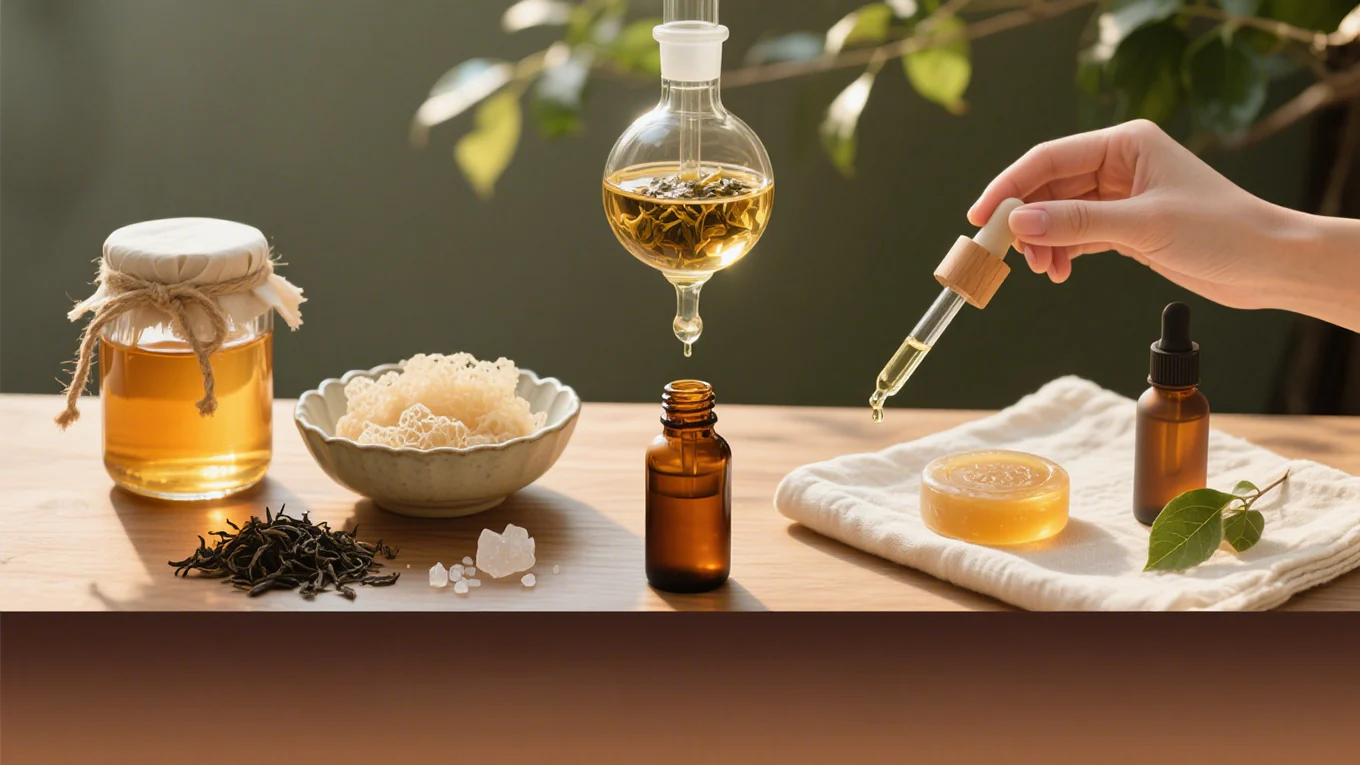
- Organic Acids for Exfoliation: Kombucha has natural acids like lactic, acetic, and malic acid. These gently remove dead skin cells, leaving skin smoother and brighter without harsh scrubbing.
- Antioxidants for Anti-Aging: Fermentation produces polyphenols and flavonoids, which are strong antioxidants. They protect the skin from free radical damage and slow early signs of aging.
- Probiotics & Postbiotics for Skin Balance: Probiotics and postbiotics from kombucha support the skin’s microbiome. A healthy balance of bacteria helps reduce redness, calm irritation, and strengthen the barrier.
- Enzymes, Vitamins & Amino Acids: Kombucha also contains enzymes, B vitamins, and amino acids. These nutrients help hydrate, repair, and nourish the skin, making it look healthier.
- Fermentation and Potency: The length and conditions of fermentation affect kombucha’s strength. Properly fermented kombucha has more active ingredients, while poor fermentation may cause irritation.
- Skin Barrier & pH Balance: Kombucha helps keep the skin’s pH slightly acidic, which is the ideal state for protection. This balance supports a strong barrier and prevents dryness or breakouts.
Potential Skin Benefits of Kombucha

Antioxidant Defense Against Free Radical Damage
Kombucha is full of antioxidants that help fight free radicals. This protection keeps skin looking brighter and slows down early signs of damage.
Anti-Inflammatory and Soothing Effects
The natural compounds in kombucha may calm redness, irritation, and acne flare-ups. This makes it helpful for sensitive or breakout-prone skin.
Gentle Exfoliation and Renewal
Organic acids in kombucha provide mild exfoliation. They clear away dead skin cells and support skin renewal, leaving skin smoother and more even.
Hydration and Moisture Retention
Vitamins and amino acids in kombucha help skin hold onto water. This reduces transepidermal water loss (TEWL) and keeps skin soft and hydrated.
Anti-Aging Support
Kombucha may help block enzymes that break down collagen and elastin. This slows wrinkles, sagging, and helps skin stay firm and youthful.
Drinking vs. Topical Use

Internal Benefits via the Gut-Skin Axis
When you drink kombucha, its probiotics may help balance the gut. A healthier gut can support clearer skin through the gut-skin axis. People who drink kombucha often say their skin looks fresher and calmer over time.
Topical Skincare Applications
Applied directly on the skin, kombucha works differently. In toners, serums, or masks, it delivers antioxidants, acids, and nutrients straight to the skin. This can help brighten, hydrate, and smooth the surface.
How They Work Together
Drinking and applying kombucha are not the same, but they can complement each other. Internal use supports long-term skin health, while topical products give faster, targeted results. Using both approaches may provide the best balance for healthy-looking skin.
How to Use Kombucha in Skincare

Common Formats
Kombucha is now found in many skincare products like toners, serums, masks, and creams. Each format delivers benefits in a slightly different way, from quick hydration with a toner to deeper nourishment with a cream.
DIY vs. Ready-Made Products
Some people try making their own kombucha skincare at home. While DIY can be fun, it has risks, like contamination or unstable pH. Ready-made products are usually safer because they are tested for skin use.
Pairing with Other Ingredients
Kombucha works well with hydrating ingredients like hyaluronic acid or soothing extracts like aloe vera. It’s best to avoid mixing it with strong actives such as retinol or high-level exfoliating acids, which may cause irritation.
Safe pH, Concentration & Stability
For skincare, kombucha should stay at a slightly acidic pH (around 4–5) to be effective yet gentle. Products also need the right concentration and proper storage to stay stable and safe.

Best Practices for Different Skin Types
Oily or acne-prone skin: kombucha toners or serums may help reduce breakouts.
Dry skin: creams with kombucha add moisture and protection.
Sensitive skin: start with a mild kombucha product to avoid irritation.
Normal/combination skin: most kombucha formats can be used comfortably.
Gradual Introduction & Patch Testing
It’s always best to start slowly. Try kombucha skincare 2–3 times a week, then increase as your skin adjusts. Do a patch test first to check for reactions before applying to your whole face.
Risks, Limitations & Safety Considerations

- Skin Irritation, Allergy, and Sensitivity: Kombucha contains acids and active compounds that may cause stinging, redness, or itching in some people. Those with sensitive skin should start slowly and test first.
- Stability and DIY Contamination Risks: Homemade kombucha skincare can be unstable and prone to bacteria or mold growth. Commercial products are safer because they are tested for stability and quality.
- Risks of Poor Fermentation: If kombucha is not fermented properly, it may produce byproducts that irritate the skin. Over-fermentation can also increase acidity, making the product too harsh.
- Special Warnings for Certain Groups: Pregnant or breastfeeding women, people with damaged skin barriers, or those with weak immune systems should be extra cautious. It’s best to consult a doctor before use.
- Research Gaps: Although kombucha is popular, human clinical studies are limited. Most evidence comes from lab tests or anecdotal reports. More research is needed to confirm long-term safety and effectiveness.
Ready to Explore Kombucha Skincare?
Kombucha is an exciting ingredient with growing potential in the beauty world. From boosting hydration to protecting the skin barrier, it’s catching the eye of both consumers and brands.
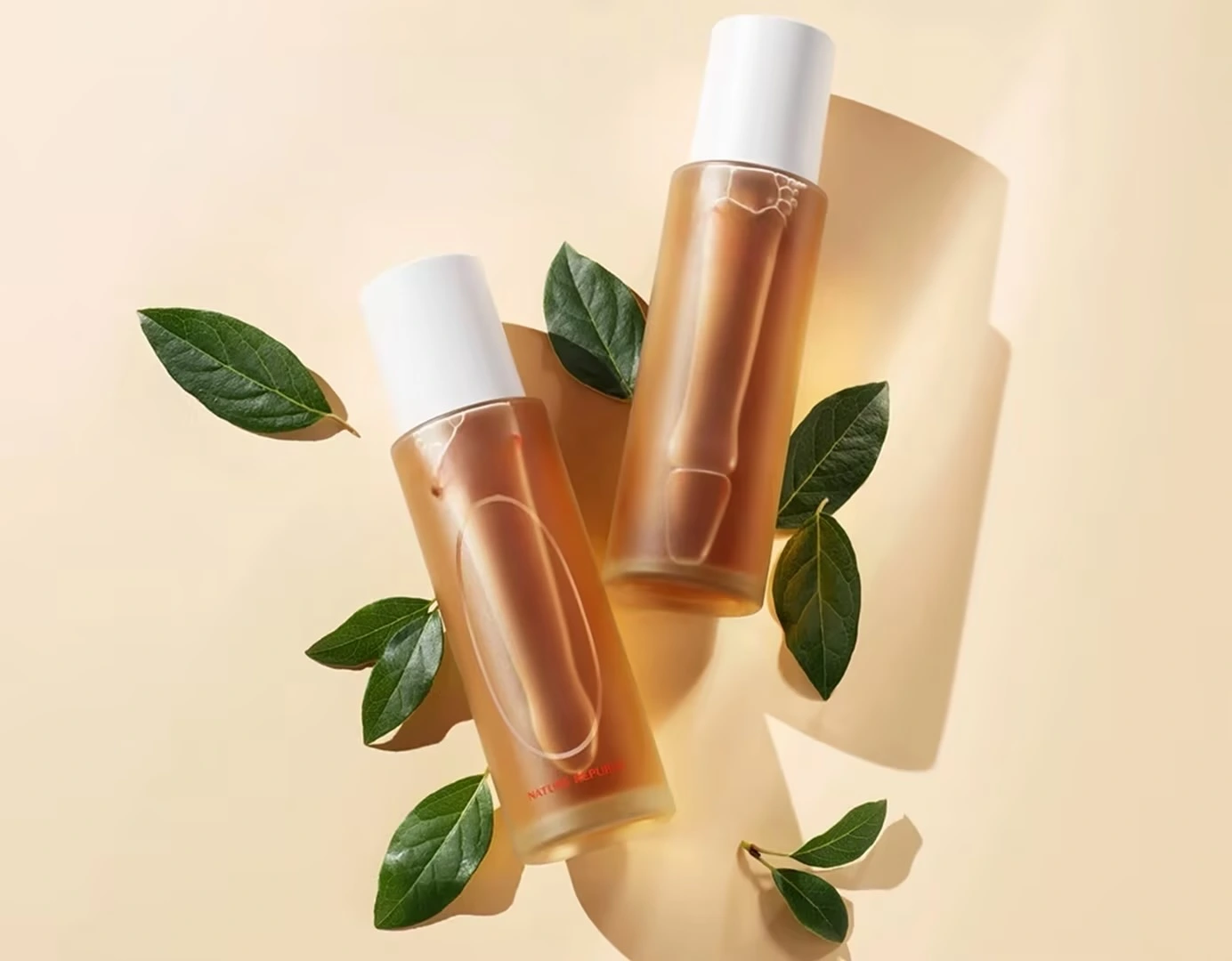
If you’re looking to develop kombucha-based skincare products or want expert guidance on sourcing and formulation, we’re here to help. Contact us today to bring your kombucha skincare ideas to life!


 EN
 JA
