

If you’ve ever stood in front of the sunscreen aisle wondering whether you should grab the SPF 30 or splurge on the SPF 100, you’re not alone. It seems logical to assume that the higher the SPF, the better the protection—right?
Well… not exactly.
The truth is, SPF isn’t as straightforward as most people think. While high-SPF sunscreens can offer slightly more protection, there’s a lot more to understand—like what SPF actually means, how UVA and UVB rays affect your skin differently, and why your application habits matter even more than the number on the bottle.
What Is SPF, Really?
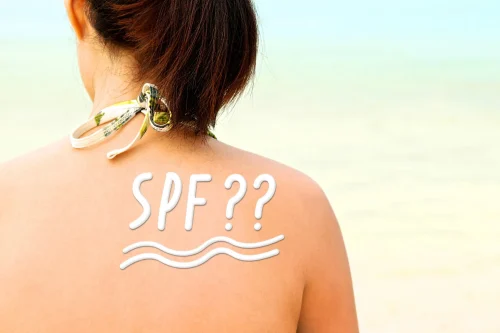 Let’s start with the basics: what does SPF even mean?
SPF stands for Sun Protection Factor, and it measures how well a sunscreen can protect your skin from UVB rays—the kind of ultraviolet light that causes sunburn and plays a big role in skin cancer.
But here’s something many people don’t realize: SPF does not measure protection from UVA rays, which penetrate deeper into the skin and contribute to premature aging and long-term damage. That’s why choosing a broad-spectrum sunscreen (more on that soon!) is so important.
Now, about that SPF number. It’s actually a time-based measurement. For example, if your skin would normally start to burn after 10 minutes in the sun without protection, applying an SPF 30 sunscreen correctly would, in theory, allow you to stay in the sun 30 times longer—or about 300 minutes—before burning.
But that’s under ideal lab conditions. In real life? Sweat, swimming, missed spots, and forgetting to reapply all reduce that protection. So while SPF gives a general guide, it’s not a free pass to stay out all day.
SPF Ratings: What the Numbers Actually Mean
 You’ve probably seen SPF 15, 30, 50—even 100+—and wondered how big the difference really is.
Here’s the breakdown of how much UVB radiation each SPF blocks:
- SPF 15: blocks about 94%
- SPF 30: blocks about 97%
- SPF 50: blocks about 98%
- SPF 100: blocks about 99%
Surprised? The jump from SPF 30 to SPF 100 may look dramatic, but in reality, it only adds about 2% more UVB protection.
This is what experts call diminishing returns—you’re getting smaller and smaller improvements the higher you go, and no sunscreen blocks 100% of UV rays.
It’s also important to bust the myth that SPF 100 gives “double” the protection of SPF 50. It doesn’t. The difference is minimal in terms of percentage, but it can lead people to stay out longer and reapply less, which actually increases the risk of sun damage.
UVB vs. UVA: Why Broad-Spectrum Matters
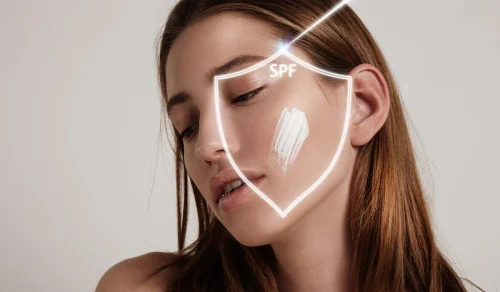 Here’s where things get a little more technical—but super important.
Not all sun rays are created equal. The sun emits two types of ultraviolet radiation that can damage your skin: UVB and UVA.
- UVB rays are the ones most responsible for sunburns and are a major cause of skin cancer.
- UVA rays go deeper into the skin. They don’t always cause visible damage right away, but over time, they lead to premature aging, wrinkles, dark spots, and yes—skin cancer, too.
The catch? SPF only measures UVB protection. That means if you’re using a sunscreen without broad-spectrum protection, you could still be soaking up harmful UVA rays even if you don’t burn.
That’s why it’s crucial to look for broad-spectrum on the label. It means the sunscreen is formulated to protect you from both UVA and UVB rays, giving your skin the complete defense it needs.
The Real-World Problem With High-SPF Sunscreens
 Okay, so high SPF blocks a little more UVB—what’s the downside?
In the real world, high-SPF sunscreens can create a false sense of security. People often think that SPF 75 or 100 means they’re basically invincible in the sun. Spoiler: they’re not.
Here’s what tends to happen:
- People stay out in the sun longer than they should
- They forget to reapply because they think “high SPF lasts longer”
- They skip other key steps like seeking shade, wearing hats, or covering up with clothing
And that’s where sun damage sneaks in. Even with SPF 100, if you’re sweating, swimming, or wiping your face, that protection breaks down fast.
The result? You may actually get more UV exposure just because you feel “covered.” So remember—sunscreen is a tool, not a shield. It works best when it’s part of a full sun protection strategy.
When High SPF Is Truly Necessary
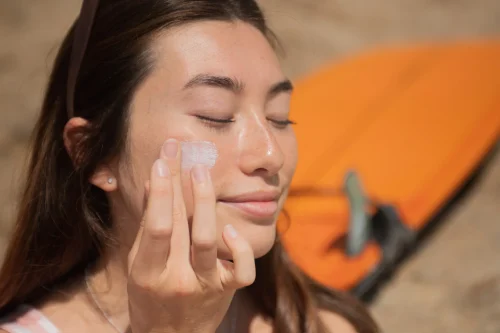 So, does anyone actually need a high SPF like 50—or even SPF 100?
Yes—sometimes. While SPF 30 to 50 is enough for most people when applied correctly, there are specific situations and skin types where SPF 50+ is not just helpful—it’s necessary.
Here’s when it makes sense to reach for that higher number:
1. If you have very fair or sensitive skin
People with light skin tones, freckles, red or blonde hair, or those who burn easily often have less natural melanin, which offers limited protection against UV rays. In these cases, a higher SPF can help reduce the risk of sunburn and long-term skin damage.
2. If you have a family or personal history of skin cancer
Anyone who has experienced skin cancer or has close relatives who have is at a higher risk of developing it. Using SPF 50+ can provide an added layer of defense, especially for people who’ve had precancerous skin conditions or treatment for sun damage.
3. If you have certain medical conditions
Some medical issues make your skin more vulnerable to UV radiation. For example:
- Autoimmune disorders
- Photosensitivity conditions
- Albinism
- Xeroderma pigmentosum
For these individuals, even short sun exposure can lead to damage, so maximum SPF protection is a must.
4. If you’re in high-risk environments
Some places naturally come with stronger UV exposure, including:
- High altitudes(like mountains), where the air is thinner and UV rays are more intense
- Near the equator, where the sun’s rays hit the Earth most directly
- Snow, sand, and water reflect sunlight, increasing your total exposure—even in cooler temps or cloudy weather
If you’re skiing, hiking, or relaxing by the beach, a higher SPF can help protect you from amplified UV levels.
How to Properly Use Sunscreen (Any SPF)
 Here’s the truth: even the best SPF won’t do much if you don’t use it the right way.
Here’s how to make sure your sunscreen works as promised:
- Apply generously—you need about 1 ounce(roughly 2 tablespoons) to cover your whole body
- Apply 30 minutes before sun exposure so it has time to absorb
- Reapply every 2 hours, or immediately after swimming, sweating, or towel drying
- Choose a water-resistant formula if you’re going to be in the water or working up a sweat
And don’t forget those easy-to-miss spots like the tops of your ears, your neck, the back of your hands, and your feet.
Sunscreen works best when it’s not an afterthought. Make it part of your daily routine, just like brushing your teeth or grabbing your keys before heading out the door.
Beyond SPF: The Best Sun Protection Strategy
 Here’s the deal: sunscreen alone isn’t enough. Even with the perfect SPF, your skin still needs backup.
The best sun protection strategy is all about layering your defenses. Think of sunscreen as your skin’s base layer—but not your only one.
Here’s how to level up your sun safety game:
- Seek shade, especially during peak hours. The sun is strongest between 10 a.m. and 4 p.m., so take cover under trees, umbrellas, or canopies whenever you can.
- Wear a wide-brimmed hat to protect your face, scalp, ears, and neck—areas that often get overlooked.
- Add UV-blocking sunglasses to shield your eyes and the sensitive skin around them from damaging rays.
- Cover up with UPF-rated clothing. Unlike regular fabric, UPF (Ultraviolet Protection Factor) clothing is specifically designed to block UV rays.
- Use sunscreen on exposed skin—but remember, it’s your last line of defense, not your only one.
Conclusion
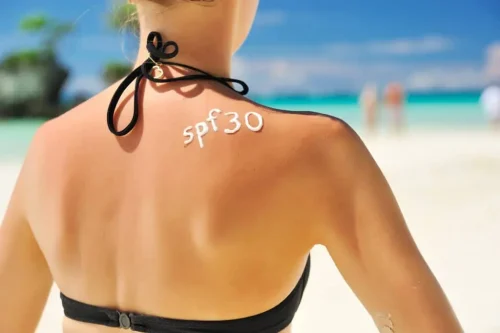 High SPF sunscreens do offer a bit more protection, but the difference between SPF 30 and SPF 100 isn’t huge. What really matters is using a broad-spectrum sunscreen and applying it the right way. Combining sunscreen with other sun-safe habits—like wearing a hat, staying in the shade, and avoiding strong midday sun—will give your skin the best protection.
Ready to take your sun protection to the next level? Contact Zicail to explore our thoughtfully curated range of high-quality sunscreens and sun-safe accessories, designed to keep your skin healthy and radiant. Whether you’re hitting the beach, hiking in the mountains, or just running errands under the sun, Zicail has everything you need to stay protected—every day, all year round.


 EN
 JA
