

Many people with acne worry that using sunscreen could make their breakouts worse. But is it true? The short answer is no — sunscreen itself does not directly cause acne when properly formulated and used.
In fact, sunscreen is an essential part of your skincare routine, even if you have acne. However, there are some things you need to consider when choosing the right sunscreen for your skin.
In this article, we’ll clear up the confusion, explore the myths, and guide you on how to pick the best sunscreen for acne-prone skin. Let’s dive in!
Why Sunscreen is Important for Acne-Prone Skin
Protecting Your Skin from Harmful UV Rays

Sunscreen is crucial for everyone, but it’s especially important for those with acne-prone skin. Here’s why:
- UV rays can worsen acne: Sun exposure triggers inflammation and can make your skin more prone to breakouts.
- Acne scars and pigmentation: UV rays can darken acne scars, making them more noticeable and harder to fade.
By wearing sunscreen, you protect your skin from these harmful effects and help prevent further damage. So, even if you have acne, sunscreen should be a non-negotiable part of your daily routine.
Sunscreen Can Help Your Skin Heal
If you’re using acne treatments, like retinoids or other strong medications, sunscreen is even more essential. These treatments can make your skin more sensitive to the sun, increasing the risk of irritation and damage. Sunscreen shields your skin and helps it heal faster.
Does Sunscreen Cause Acne?

The Short Answer: Not directly
There’s a common myth that sunscreen causes acne. But the reality is more complex. Sunscreen itself doesn’t clog pores or cause acne. However, some ingredients in certain sunscreens can irritate the skin, especially if you have sensitive or acne-prone skin.
So, it’s not sunscreen itself that causes breakouts—it’s the ingredients in the sunscreen.
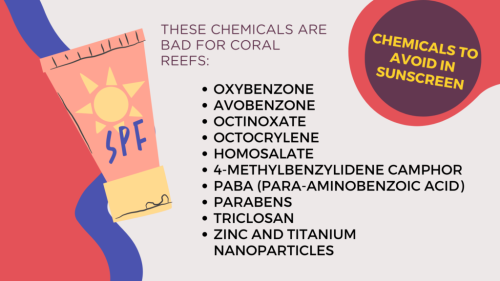
Ingredients to Avoid in Sunscreen If You Have Acne
Some sunscreen ingredients can trigger acne or irritate your skin. Here’s what to look out for:
1. Comedogenic Ingredients
Some sunscreens contain oils or ingredients that can clog pores. These are often referred to as comedogenic ingredients, meaning they have the potential to contribute to breakouts in certain skin types.
In practice, ingredients that feel heavy, occlusive, or overly rich may not suit every acne-prone skin type, especially when used daily or layered with other products.
Ingredients that may feel problematic for some acne-prone skin types include:
- Mineral oils
- Petrolatum (petroleum jelly)
- Lanolin
- Certain silicones
Not all of these ingredients are inherently comedogenic, but they may not suit every acne-prone skin type.
2. Fragrance and Alcohol
Sunscreens with added fragrance or alcohol can dry out the skin and cause irritation. This can lead to inflammation and more breakouts. Always look for fragrance-free or alcohol-free options.
3. Chemical Filters
Some chemical sunscreens, like those with oxybenzone or avobenzone, can be irritating. Sensitivity varies by individual, and many people with acne tolerate chemical filters well. If you’re prone to acne or sensitive skin, consider switching to a physical sunscreen with mineral filters like zinc oxide or titanium dioxide.
How to Choose the Right Sunscreen for Acne-Prone Skin
Look for Non-Comedogenic and Oil-Free Options
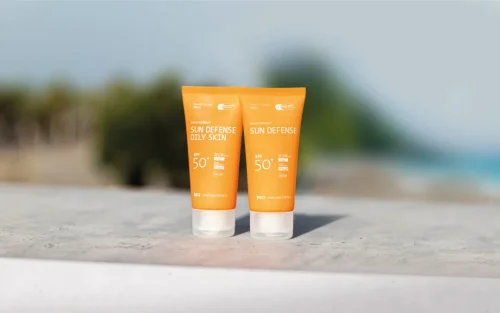
The best sunscreens for acne-prone skin are non-comedogenic (won’t clog pores) and oil-free. These formulas are designed to protect your skin without causing additional breakouts. Look for these keywords on the label:
- Non-comedogenic
- Oil-free
- For sensitive skin
Go for Mineral (Physical) Sunscreens
Mineral sunscreens are made with zinc oxide or titanium dioxide. These ingredients sit on top of the skin and block UV rays without absorbing into your pores. They are often gentler on sensitive skin, making them ideal for acne sufferers.
Avoid Heavy Creams
If you have oily skin, avoid sunscreens with heavy, greasy formulas. Opt for gel-based, water-based, or matte-finish sunscreens that won’t leave your skin feeling greasy.
Common Sunscreen Mistakes That Can Make Acne Worse
1. Skipping Sunscreen
You might be tempted to skip sunscreen, thinking it will worsen your acne, but this is a mistake. Sunscreen protects your skin from UV damage, which can worsen acne scars and pigmentation. Always wear it, even on cloudy days.
2. Choosing the Wrong Formula
Not all sunscreens are created equal. Using a sunscreen that’s too thick, greasy, or irritating can clog your pores and trigger breakouts. Always check the ingredients list and choose a formula designed for acne-prone skin.
3. Not Reapplying Regularly
One application of sunscreen isn’t enough. To keep your skin protected, you need to reapply every two hours, especially if you’re sweating, swimming, or wiping your face. Consider sunscreen sprays or powders as convenient touch-up options, not full replacements for proper application.
Expert Recommendations for Sunscreen and Acne-Prone Skin
Dermatologists recommend sunscreen as an essential part of any acne treatment routine. Here are a few tips from the experts:
- Use a broad-spectrum sunscreen: Look for products with SPF 30-50 for maximum protection.
- Test new sunscreens: Always patch-test a new sunscreen on a small area of your skin to see how it reacts.
- Choose a product that works with your acne treatment: Sunscreen can help protect your skin when using acne medications, preventing sunburn and irritation.
Frequently Asked Questions (FAQs)
Conclusion
While some sunscreens might irritate your skin, sunscreen itself does not cause acne. In fact, it’s an essential part of any acne-fighting skincare routine. By choosing the right sunscreen, you can protect your skin from sun damage, prevent acne scars, and keep your skin healthy.

Have you found a sunscreen that works for you? Share your experiences with us and explore options like Zicail for your acne-prone skin. Choose the right sunscreen and keep your skin safe from the sun while preventing breakouts!


 EN
 JA
