

Why Skincare Storage Matters
How you store your skincare plays a quiet but important role in how well it works—and how your skin responds to it.
Skincare formulas are designed to stay stable under certain conditions. When they’re exposed to excess heat, light, air, or moisture, active ingredients can break down faster, textures can change, and products may become less comfortable to use over time.
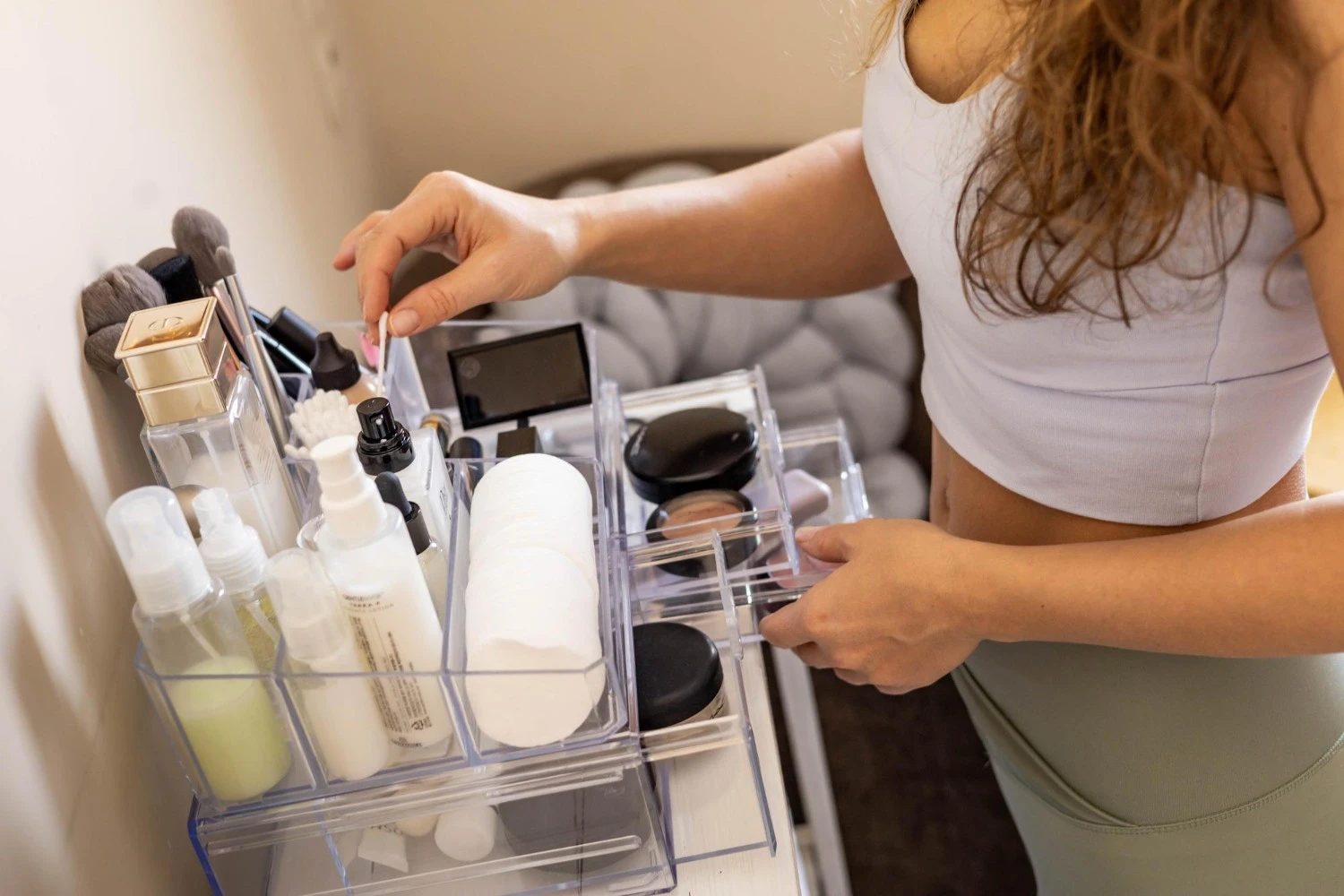
Poor storage doesn’t always make a product unsafe, but it can make it less effective and less predictable. You might notice weaker results, new stinging, or changes in smell or color—even when using the same product you’ve used before.
Good storage won’t improve a formula, but it helps preserve what the product was designed to deliver. With a few simple habits, you can keep skincare performing more consistently and reduce avoidable irritation.
The 4 Storage Rules That Work for Almost Everything
You don’t need special equipment to store skincare well. These four rules cover most products and routines.
1) Cool
Heat speeds up chemical breakdown. Keep skincare away from radiators, sunny windows, hot cars, and appliances that give off warmth. Room temperature is usually ideal.
2) Dry
Moisture can destabilize formulas and increase contamination risk. Avoid places with frequent steam or condensation, and keep packaging dry between uses.
3) Dark
Light—especially sunlight—can degrade sensitive ingredients over time. Store products out of direct light, and prefer drawers, cabinets, or opaque containers when possible.
4) Closed
Air exposure matters. Keep caps tight, pumps locked, and wipes fully sealed. Leaving products open allows oxygen and moisture in, which shortens their usable life.
Best Places to Store Skincare (and Where Not To)
Where you keep your skincare matters just as much as how you cap it. The goal is a spot that stays cool, dry, and out of direct light most of the time.
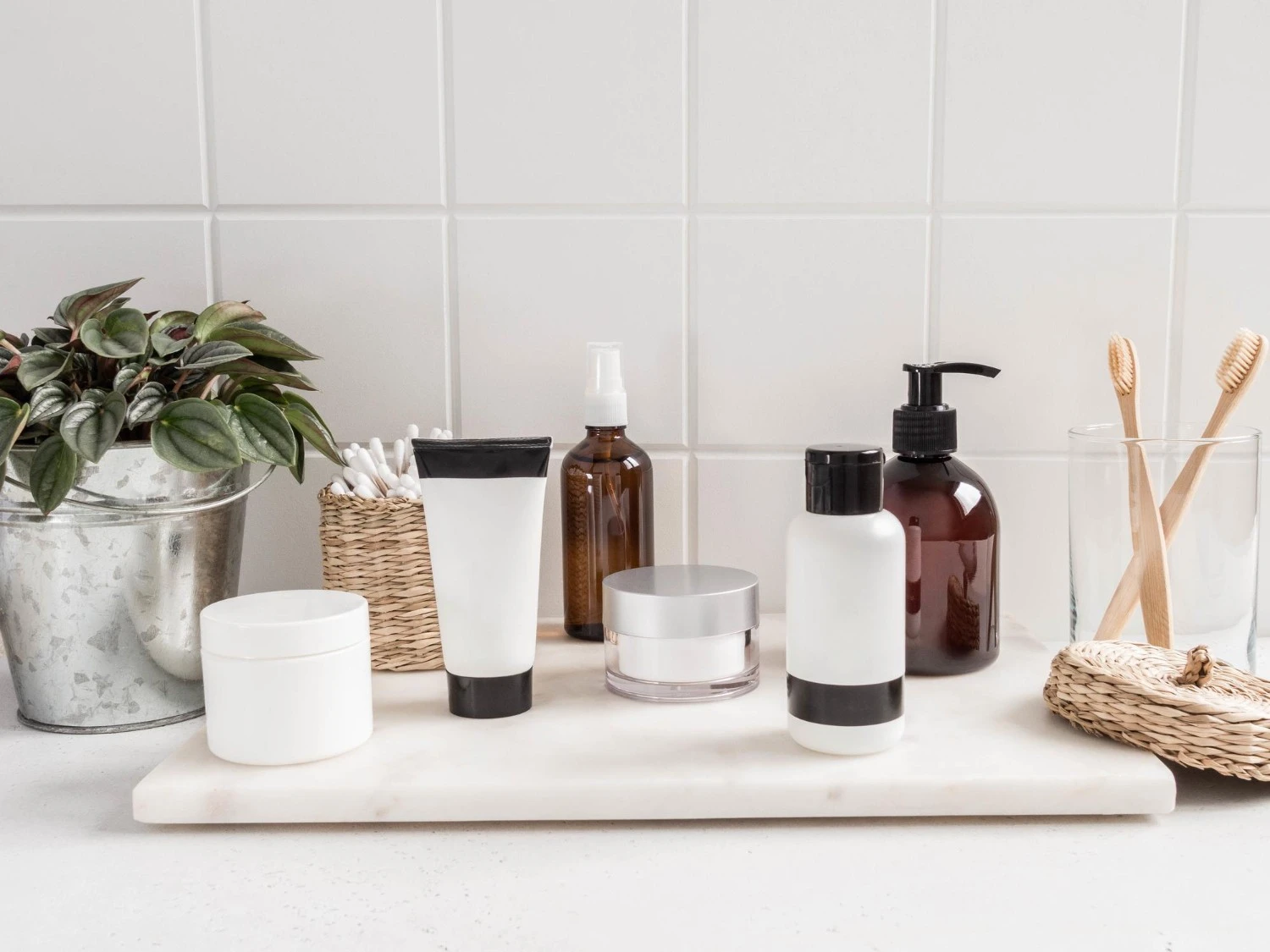
Best Storage Spots
These locations usually provide the most stable conditions:
Bedroom vanity or drawer
Closet shelf away from windows
Covered organizers kept out of sunlight
These areas tend to have fewer temperature swings and less humidity, which helps products last longer.
Places to Usually Avoid
Some spots expose skincare to heat, light, or moisture on a regular basis:
Shower ledges and open bathroom counters
Windowsills with direct sun
Cars, especially in warm weather
Gym bags or backpacks for days at a time
Even well-formulated products can degrade faster in these environments.
Bathroom Storage (If You Must)
If the bathroom is your only option:
Choose the coolest, driest area, away from the shower
Store products in a closed bin or cabinet
Avoid leaving lids open or bottles exposed on the counter
This won’t be perfect, but it can significantly reduce unnecessary wear.
Which Products Need the Most “Protection”
Not all skincare reacts the same way to light, heat, air, and moisture. Some formulas are more sensitive and benefit the most from careful storage.
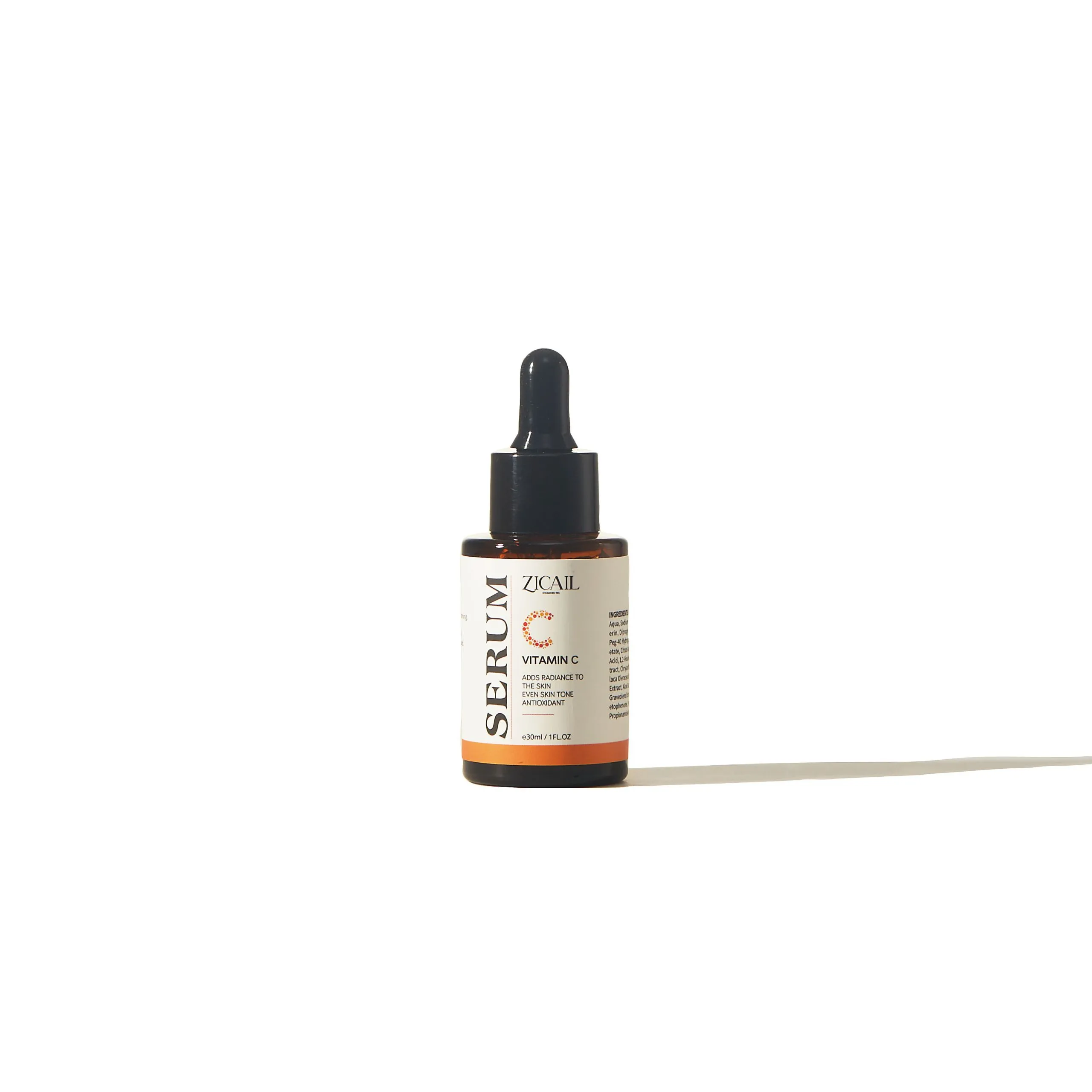
Higher-Priority Products
These are more likely to change or lose effectiveness when stored poorly:
Vitamin C serums, especially clear or watery formulas, which can oxidize faster
Retinoids and retinal-based night products, which are sensitive to light and heat
Benzoyl peroxide treatments, which can break down and may also bleach fabrics if stored carelessly
“Clean” or preservative-light products in jars, which are more exposed to air and fingers
- Eye products (creams, gels, and serums), which are used close to sensitive skin and often come in small jars or pumps—so changes in texture or stability are more noticeable, and stinging is more likely if a formula degrades
These products benefit most from being kept cool, tightly closed, and away from light.
Lower-Maintenance Products
These are generally more stable, though good storage still helps:
Basic moisturizers in pumps or tubes
Cleansing oils and balms, as long as lids are closed and they’re kept away from heat
Powder products, which are less reactive but should stay dry
Do You Need a Skincare Fridge?
For most people, a skincare fridge is optional—not essential. Whether it helps depends on the product and how you use it.
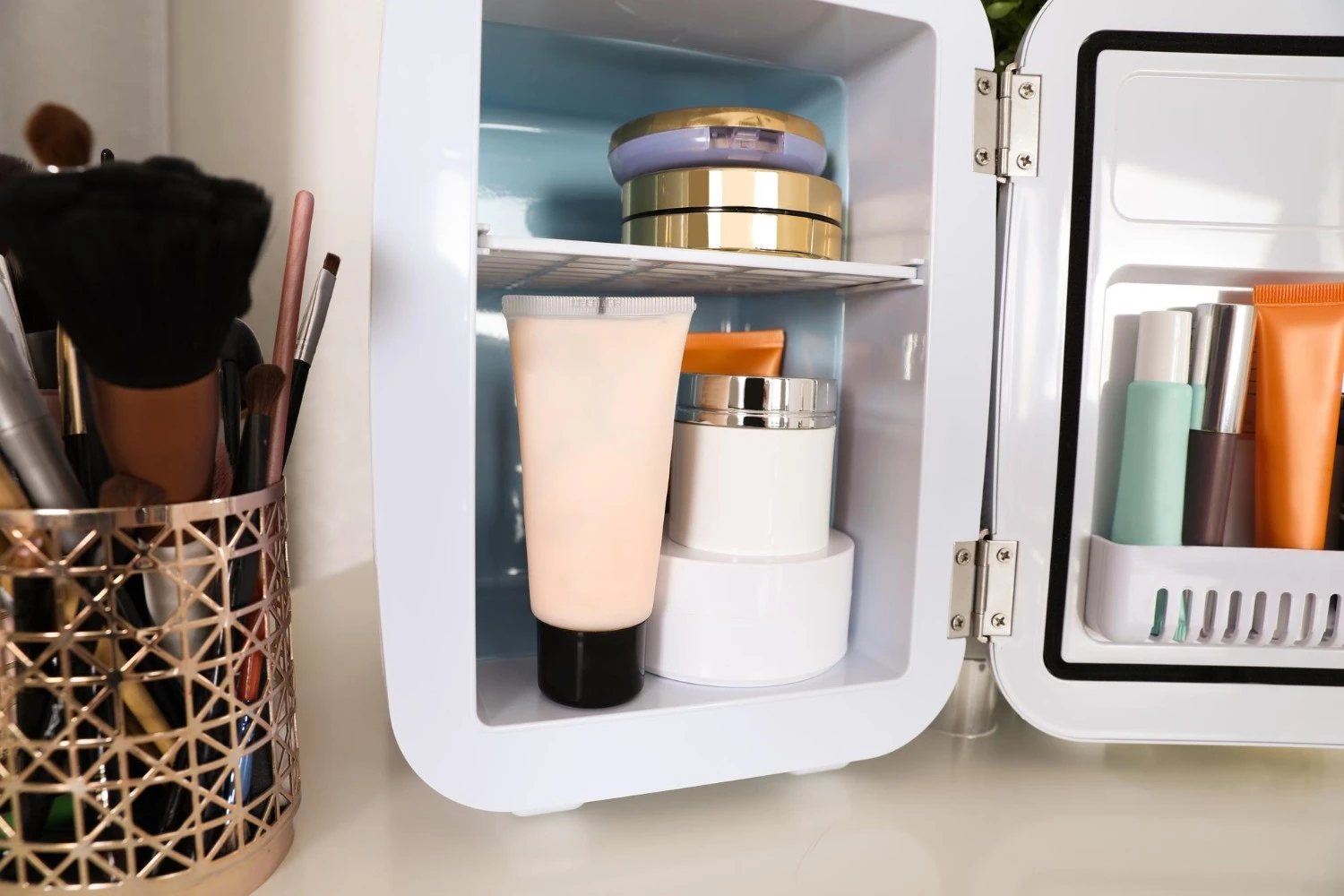
When a Skincare Fridge Can Help
Refrigeration can be useful for:
Calming gels or soothing treatments, where a cool feel adds comfort
Certain vitamin C serums that benefit from cooler, more stable temperatures
Products you personally prefer cold on application, such as eye gels
In these cases, the fridge is more about comfort and stability than necessity.
When It’s Unnecessary
Many everyday products store well without refrigeration:
Most moisturizers
Cleansers of all types
Well-packaged serums kept in a cool drawer or cabinet
Room-temperature storage is usually sufficient if conditions are stable.
Fridge Pitfalls to Know About
A skincare fridge isn’t risk-free:
Frequent in-and-out use can cause temperature swings
Condensation may introduce moisture into packaging
Overcrowding can make products harder to keep sealed and clean
A skincare fridge can be nice, but it isn’t required. In most cases, stable storage conditions and consistent handling matter more than refrigeration alone.
Reading Dates Without Stress
Dates on skincare can be confusing—but they’re only part of the picture.
Some products list an expiration date, while others rely on a PAO symbol (like 6M or 12M), which means how long the product is expected to stay stable after opening—assuming normal use and proper storage.
It’s important to know that:
Not all cosmetics are required to show an expiration date
Storage conditions can shorten—or sometimes extend—the usable life of a product
Dates are guidelines, not guarantees
This is why how a product looks, smells, and feels matters just as much as what’s printed on the label. Changes in color, texture, scent, or new irritation are often better signals than the calendar alone.
Signs a Product Has Gone Bad
Most skincare doesn’t “suddenly expire”—it slowly changes. If you notice any of the signs below, it’s a good reason to stop using the product and reassess.
1) The Smell Changes
Smells off, sour, or unusually strong
Fragrance-free products can also develop a stale or odd smell
A clear scent change often means the formula has shifted.
2) The Color Changes
Watch for color turning:
noticeably darker
more yellow
brown/rusty
Some products naturally darken a little with age, but a big shift usually signals breakdown.
3) The Texture Changes
Common red flags include:
separation that doesn’t blend back after shaking
gritty or grainy texture
clumping, stringy “slime,” or unusual thickening
If the texture feels wrong, it often means the formula isn’t stable anymore.
4) Your Skin Reacts Differently Than Before
If a product suddenly causes:
stinging that lingers
redness or rash
itchiness in the same areas you apply it
Stop using it and focus on calming your skin. This can happen when a product has degraded or when your barrier is stressed.
Quick rule: When in doubt, don’t “push through” irritation. A product that used to feel fine shouldn’t suddenly burn.
Keep It Clean: Storage Habits That Prevent Problems
Good storage isn’t just about temperature and light. Clean handling also plays a big role in keeping skincare stable and comfortable to use.
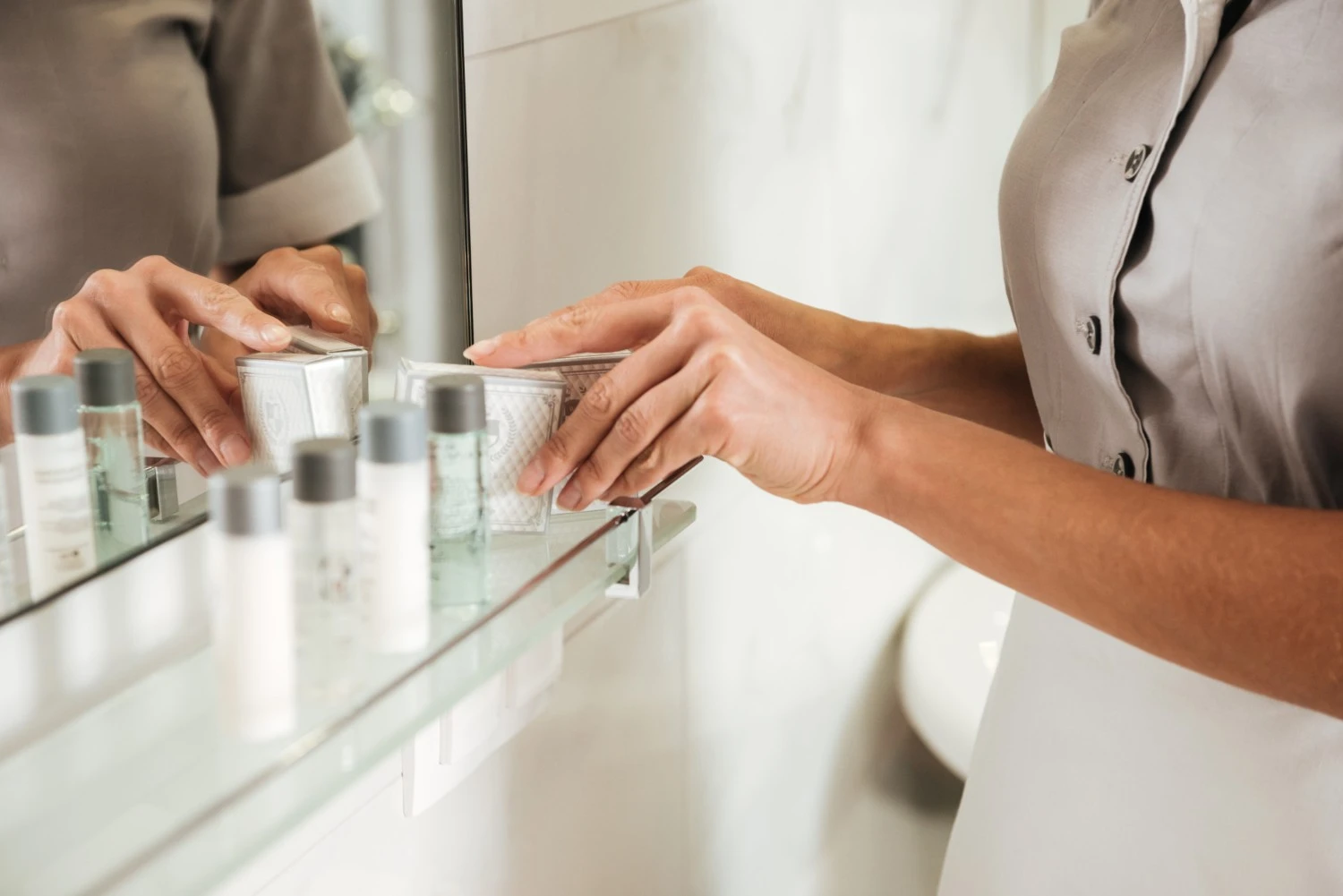
Choose Cleaner Packaging When Possible
Pumps and tubes reduce air exposure and limit contact with fingers
Wide-mouth jars are more exposed and benefit from extra care
If you use jars, consider a clean spatula instead of dipping fingers directly inside.
Avoid Introducing Water or Germs
Don’t add water to products to “thin them out”
Avoid sharing eye and lip products, which are more prone to contamination
Even small amounts of moisture or bacteria can affect stability over time.
Handle Products Gently and Cleanly
Use clean hands or a spatula when applying skincare
Wipe bottle necks and caps if product builds up
Keep droppers from touching skin, which helps prevent contamination inside the bottle
Quick “Store This / Not That” Guide
Use this fast-reference table to spot common storage mistakes—and fix them without overthinking.
| Product type | Best place to store | Common mistake | Simple fix |
|---|---|---|---|
| Vitamin C serum | Cool drawer or cabinet, away from light | Left on counter or near window | Store in a closed drawer; cap tightly after use |
| Retinoid / night treatment | Dark, cool shelf or drawer | Exposed to heat/light overnight | Keep in original opaque packaging |
| Sunscreen | Room-temperature drawer or bag (short term) | Left in hot car or window | Bring indoors; avoid prolonged heat |
| Moisturizer (pump/tube) | Vanity drawer or closet shelf | Lid left loose | Lock pump; wipe nozzle clean |
| Jar creams | Cool, dry cabinet | Dipping fingers repeatedly | Use clean spatula; close lid promptly |
| Cleansers | Bathroom cabinet (if dry) | Stored in shower stream | Move to cabinet; keep cap closed |
| Powder products | Dry drawer or organizer | Exposed to steam | Keep away from sink/shower |
Travel & On-the-Go Storage
Skincare is most likely to get damaged when you’re traveling or out for the day. Heat and tight spaces can shorten a product’s useful life quickly, especially for actives.
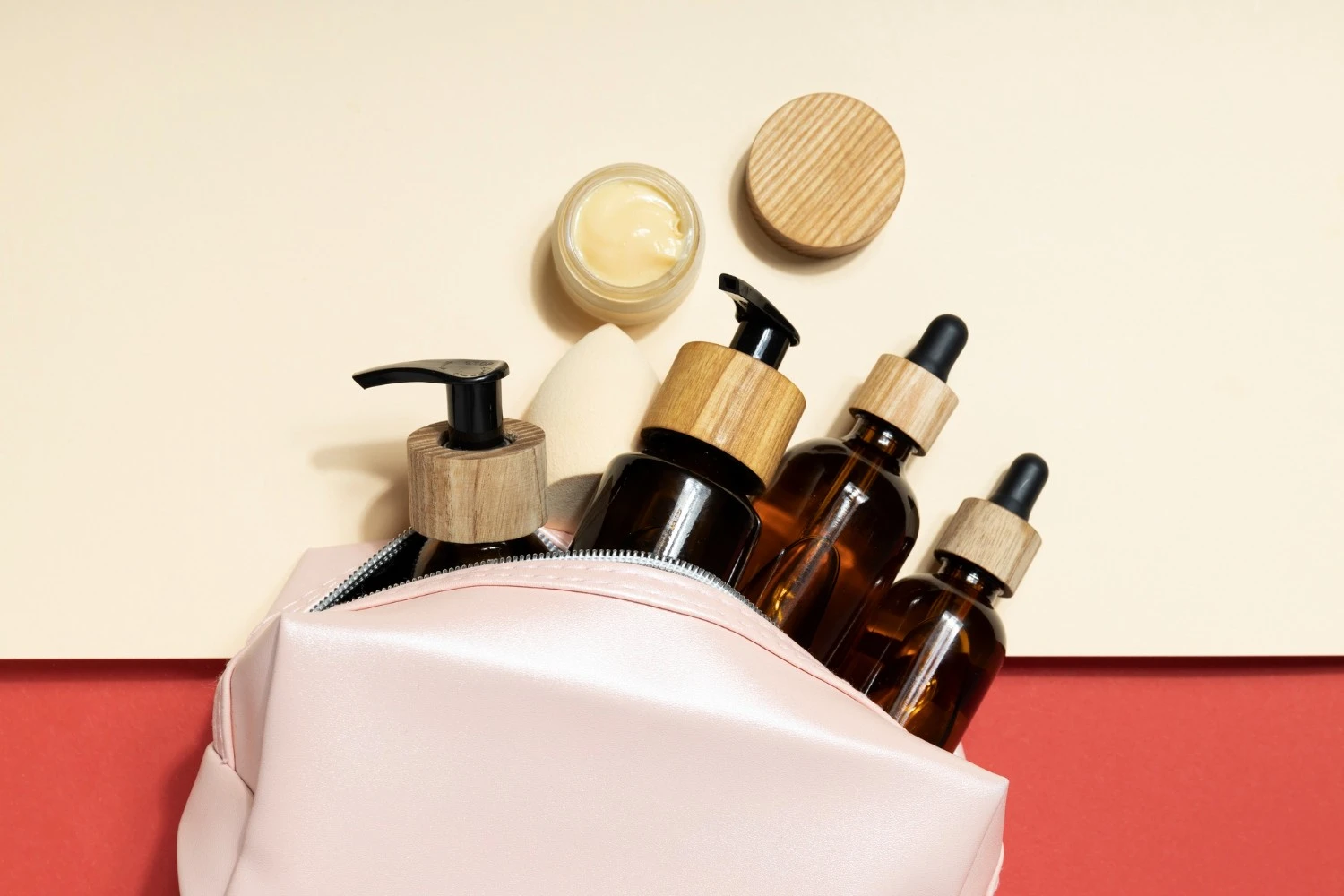
Heat-Proof Your Routine
Avoid leaving skincare in hot cars, even for short periods
At the beach or outdoors, keep products in the shade or wrapped in a towel
During flights, carry liquids in your cabin bag when possible to avoid temperature extremes in cargo holds
Use Mini Pouches and Smart Packing
Store skincare in insulated or opaque pouches
Separate sunscreen and active treatments from heat-sensitive serums
Don’t let products sit pressed against warm electronics or windows in a bag
SPF and Actives Need Extra Care
Sunscreen exposed to heat may lose effectiveness faster
Vitamin C, retinoids, and benzoyl peroxide are more likely to degrade when overheated
If a product has been “cooked” in a hot bag and looks or smells different, it’s safer to replace it.
Practical tip: When traveling, bring fewer products—and choose the ones you can realistically keep cool and protected.


 EN
 JA
