

Market Overview & Growth Outlook
The skincare industry is growing quickly, and this growth is shaping how brands work with contract manufacturers in 2026. More people want safe, effective, and clean skincare, so brands must move faster and rely on strong manufacturing partners.

Global Skincare Market Outlook to 2030/2032
Reports show the skincare market will keep rising through 2030 and 2032. According to Fortune Business Insights (1), demand for daily skincare and anti-aging products continues to climb.
This creates steady demand for flexible and reliable production.
Growth of the Contract Manufacturing Sector
Contract manufacturing is also expanding. Grand View Research (2) notes that more OEM/ODM/CDMO factories are upgrading their labs and automation systems.
Brands want full support—from formulation to packaging—so manufacturers are offering more complete services.
Key Drivers Moving the Industry Forward
Several factors are pushing this growth:
Rising interest in clean and high-performance skincare
Faster trends that require quick product launches
More D2C and indie brands relying on turnkey manufacturing
Regional Trends: APAC Leads the Market
Asia-Pacific remains the strongest production hub, especially China, Korea, and Japan.
Meanwhile, Mordor Intelligence (3) shows that U.S. and EU brands are moving toward more local or nearshore manufacturing due to new regulations and sustainability needs.
Why More Brands Choose Contract Manufacturing
More skincare brands are choosing contract manufacturing in 2026 because it helps them save money, move faster, and stay focused on growing their brand.

Lower Costs Than Building a Factory
Building a factory is expensive. It requires equipment, skilled workers, and strict certifications.
By outsourcing production, brands avoid these big upfront costs and reduce financial risk.
Faster Time-to-Market
Skincare trends change quickly. Contract manufacturers offer turnkey services, so brands can go from idea to finished product much faster. This speed helps brands stay competitive.
Expert Support in Formulation and Compliance
Creating skincare products needs scientific knowledge and proper testing.
Manufacturers have experienced teams who handle formulation, stability tests, quality control, and regulatory requirements. This helps brands avoid mistakes and delays.
Easy to Scale: Small Batch to Mass Production
Brands can start with small batches to test the market or launch new ideas. When demand increases, manufacturers can quickly scale up to larger production volumes.
Brands Can Focus on Marketing and Growth
Outsourcing allows brands to put more time into marketing, customer experience, and business growth. They don’t need to manage daily factory operations, which makes their work easier and more efficient.
Major Trends Shaping Contract Manufacturing in 2026
In 2026, skincare contract manufacturing is changing fast. Consumers want cleaner formulas, safer products, and more choices. At the same time, brands need faster production, better compliance support, and more flexible services.
Here are the key trends shaping the industry this year.
Clean, Natural & Sustainable Formulas
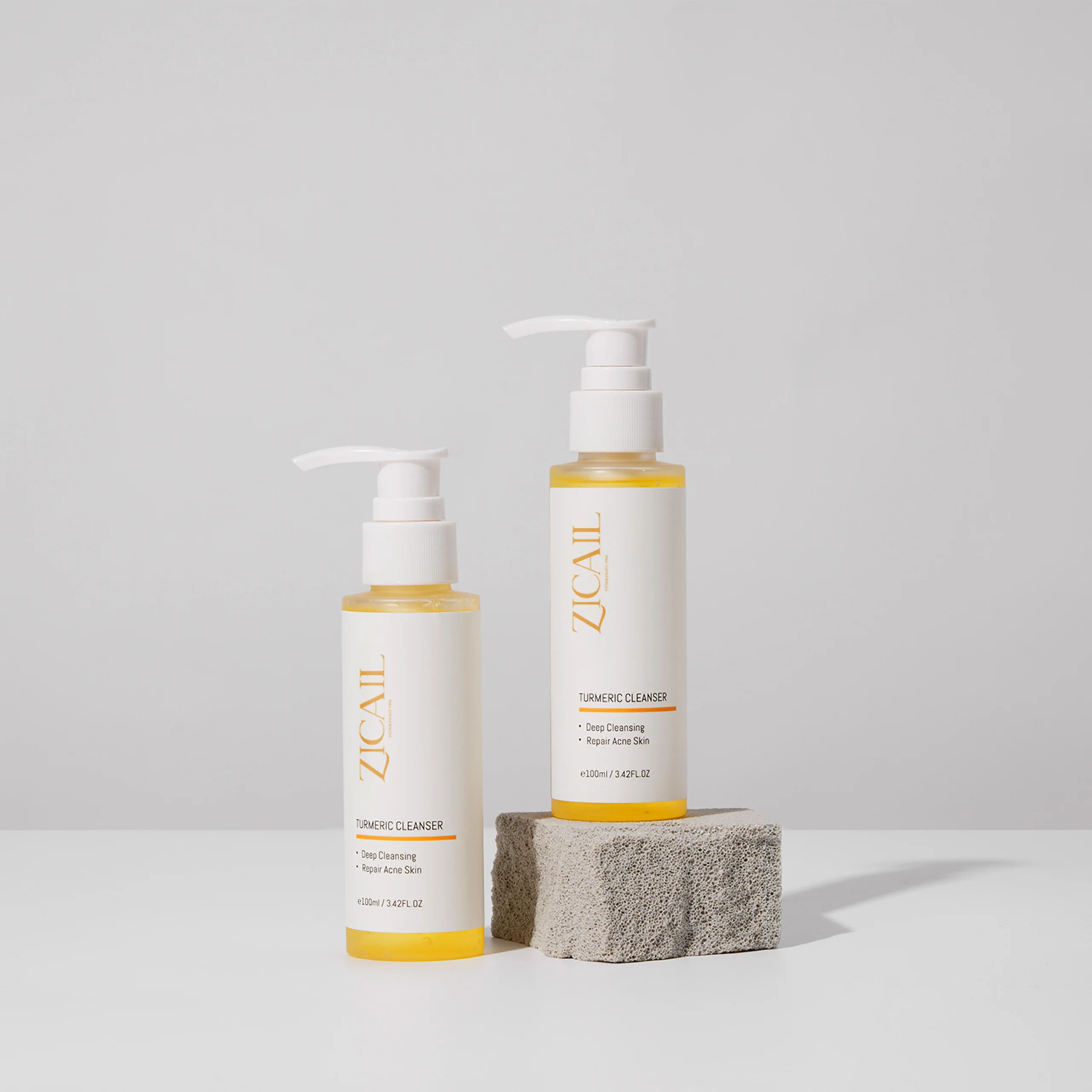
Clean beauty continues to lead the market. More people are choosing products that feel safe, gentle, and trustworthy.
Demand for clean and sensitive-skin formulas keeps rising
More brands want organic actives and biotech-based ingredients
Transparency matters—brands now expect traceable supply chains
Manufacturers that can offer clean formulas and sustainable ingredient sourcing will stand out.
Sustainable Packaging & Eco-Friendly Operations

Sustainability is no longer optional. It’s a key factor when brands choose a manufacturing partner.
More use of recyclable, refillable, and low-impact packaging
Factories are reducing carbon emissions and improving energy use
Certifications like ISO, GMP, ECOCERT, Vegan, and Cruelty-Free are becoming standard
Brands want partners who can help them meet both customer expectations and global sustainability goals.
Personalization & Small-Batch Flexibility

Personalized skincare is growing fast. People want products made for their specific needs, not one-size-fits-all solutions.
Custom formulations for niche audiences
Micro-batch and on-demand production
Tailored textures, claims, scents, and skin-type options
This pushes manufacturers to offer more flexible batch sizes and faster turnaround times.
AI-Driven Manufacturing & Digital R&D
Technology is reshaping how skincare is made. AI tools now support both R&D and production.
AI helps create better formulas and predict product performance
Automated systems improve mixing, filling, and quality checks
Smart factories deliver faster, more consistent, and cost-efficient production
Manufacturers using digital tools can shorten development time and reduce errors.
Growth of Indie, D2C & Influencer Brands
More small brands and influencers are launching skincare products. These brands need low-barrier, fast, and flexible manufacturing support.
Lower MOQ options make it easier to start
Quick prototyping helps brands follow trends
Viral beauty content creates sudden demand, requiring fast production cycles
This trend makes turnkey private-label services more important than ever.
Regulatory & Compliance Advancement
Regulations are getting stricter worldwide, and brands rely on manufacturers to stay compliant.
Stronger focus on U.S. MoCRA requirements
The EU is tightening rules on testing, claims, and ingredient safety
Manufacturers now offer complete regulatory documentation to support global launches
Compliance has become a key factor when choosing a contract manufacturing partner.
Ready to Develop Your Next Skincare Product?
If you’re looking for a reliable partner to bring your skincare ideas to life, we’re here to help.
Contact us today to discuss your project and get a fast, professional quote. Let’s build your next bestselling product together.


 EN
 JA
