

What Is a Serum?
A serum is a treatment step designed to deliver targeted ingredients that support gradual skin improvement beyond basic cleansing and moisturizing.
Serums are made with lighter textures so they layer comfortably under moisturizers or sunscreen without feeling heavy. This makes them easy to include in skincare routines while allowing treatment ingredients to sit close to the skin without adding extra thickness.
Because serums focus on treatment, they often contain higher concentrations of active ingredients than basic moisturizing products. Their role is to support improvements in hydration, brightness, texture, or breakouts over time, while moisturizer still handles daily protection and comfort.
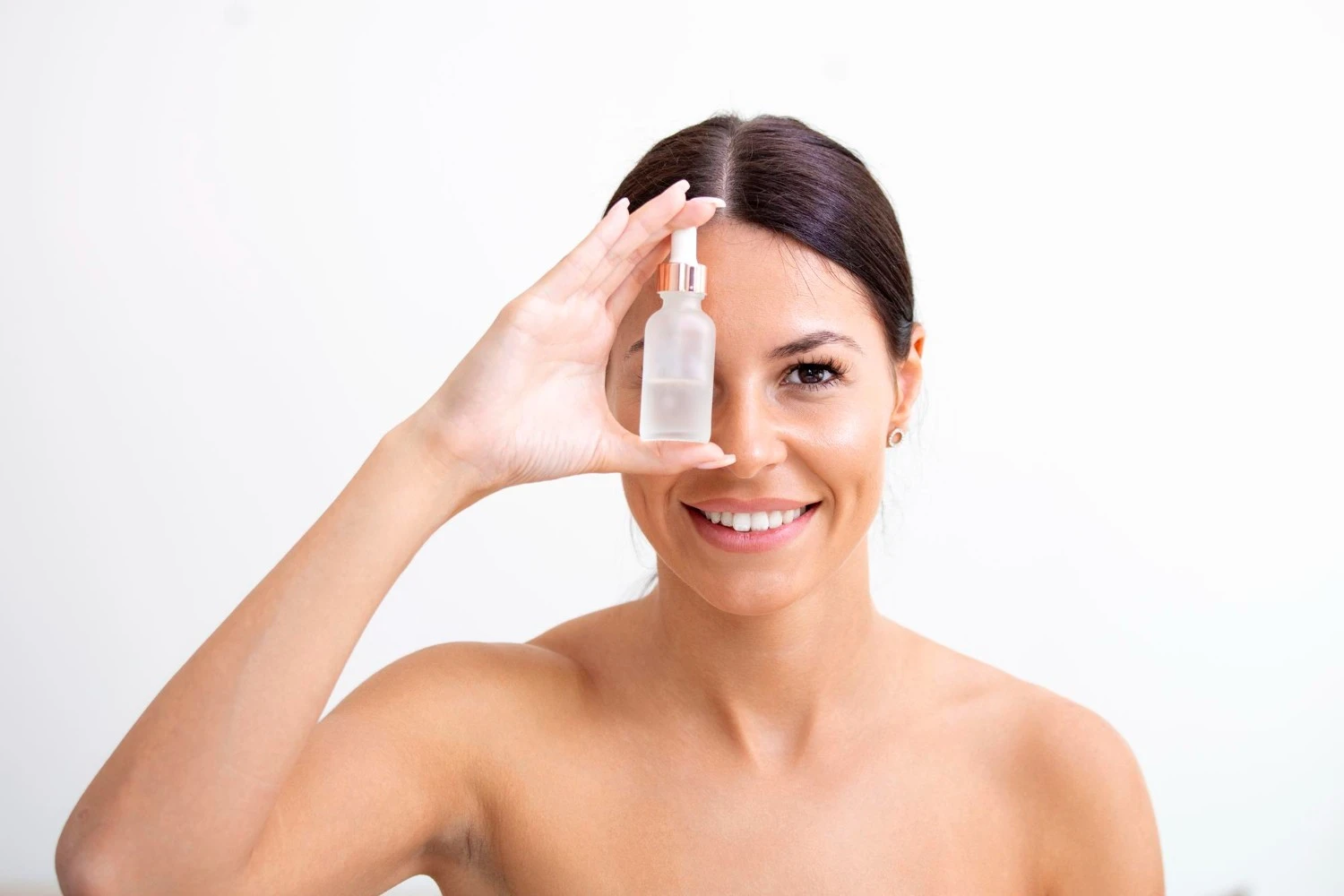
What Does a Serum Actually Do?
Serums are designed to support specific skin concerns rather than simply maintain daily comfort. Different formulas focus on different goals, and results usually appear gradually with consistent use.
Serums can help with:
Hydration support for skin that feels dehydrated or dull
Brightening uneven tone over time
Texture smoothing over time
Barrier support when skin feels stressed or weakened
Breakout management for congestion-prone skin
However, serums also have clear limits. They do not create instant transformations, and improvement usually takes time and consistency. A serum also cannot replace moisturizer, since moisturizers help seal in hydration and protect skin comfort. In addition, no serum can permanently shrink pores, as pore size is largely influenced by genetics and skin type rather than a single product step.
Do You Actually Need a Serum?
A serum is most helpful when you want to address a specific skin concern rather than simply maintain daily comfort. It acts as a treatment step for improvement, not a basic requirement for every routine.
A serum may help when:
You want to target concerns like dryness, uneven tone, breakouts, or texture changes
You’re looking for gradual improvement beyond basic cleansing and moisturizing
A serum can often be skipped when:
Your skin already feels stable and comfortable
A simple routine with cleanser and moisturizer already works well for you
In other words, serums are optional tools rather than mandatory steps. If your routine already keeps skin balanced, adding a serum may not be necessary. For readers unsure whether treatment steps are worth adding, a serum decision guide can help clarify when introducing one makes sense.

Types of Serums Explained
Serums are designed to address specific skin concerns rather than serve as general moisturizing steps.
Understanding the main serum categories helps you choose based on what your skin needs, instead of using multiple products without clear purpose.
Most serums fall into a few practical categories.
Hydrating Serums
Hydrating serums focus on increasing skin moisture levels and reducing tightness or dehydration discomfort. They are helpful when skin feels dry even after moisturizing or in climates where moisture loss happens quickly.
These serums support comfort and help skin look smoother, but they do not replace moisturizers, which help seal hydration into the skin.
Brightening Serums
Brightening serums target uneven tone, dullness, or post-acne marks. They aim to gradually improve skin clarity and help tone appear more even over time.
Results tend to develop slowly with consistent use, and these serums work best as part of a stable routine rather than as quick fixes.
Anti-Aging Serums
Anti-aging serums focus on concerns like fine lines, texture changes, or loss of firmness. They typically support smoother-looking skin and help maintain long-term skin resilience.
Improvements are gradual and depend on regular use and overall routine consistency, including daily sun protection.
Acne-Control Serums
Acne-control serums are designed for skin prone to breakouts or clogged pores. They help reduce congestion and support clearer skin when used appropriately.
However, overuse or combining too many active treatments can increase irritation, so balance is important for long-term results.
Barrier Repair Serums
Barrier repair serums support skin that feels sensitive, irritated, or weakened from overuse of strong products or environmental stress. They help improve comfort and reduce reactivity over time.
These serums are especially helpful when skin feels easily irritated or struggles to tolerate other treatments.
How to Use Serum Correctly
Serum is typically applied after cleansing and lighter prep steps, and before heavier moisturizing products. This allows treatment ingredients to contact the skin before thicker layers are added.
A common routine flow looks like this:
Cleanser → Toner → Serum → Moisturizer → Sunscreen (morning)
A few basic principles help serums work comfortably in most routines:
- Use a moderate amount rather than applying excessive layers, since more product does not improve results.
- Apply serum before heavier creams or occlusive products, which are designed to seal moisture and treatments in.
- Usage frequency should match skin tolerance. Some serums can be used daily, while stronger treatment formulas may need slower introduction.
The goal is not to add more steps, but to use serum in a way that supports skin comfort and gradual improvement.

How to Choose the Right Serum
Choosing a serum mainly depends on your main skin concern and how your skin reacts to treatment products. A deeper guide can help match formulas more precisely to your needs.
- Skin concerns — Choose serums based on goals such as hydration, dullness, breakouts, uneven texture, or barrier support.
- Skin type — Oily, dry, combination, or sensitive skin may respond differently to certain formulas and textures.
- Climate and lifestyle — Weather, pollution exposure, travel, and daily stress can influence how much hydration or treatment support skin needs.
- Sensitivity level — If skin reacts easily, gentler and simpler formulas often work better than highly active treatments.
If choosing still feels unclear, a deeper serum selection guide can help match formulas more precisely to your needs.
Serum vs Other Skincare Steps
Serum is often confused with other skincare steps because many products feel similar. The main difference is purpose: serums focus on treatment, while other steps prepare, hydrate, or seal moisture. Understanding how each step works helps you avoid unnecessary layering.
Serum vs Toner
Toner mainly adds light hydration and comfort after cleansing, while serum delivers targeted treatment for concerns like dryness, dullness, or breakouts.
→ See: Serum vs Toner Guide
Serum vs Essence
Essences focus on lightweight hydration and skin preparation, while serums provide more concentrated treatment benefits.
→ See: Serum vs Essence Comparison
Serum vs Moisturizer
Serums treat specific concerns, whereas moisturizers seal in hydration and support the skin barrier. One treats; the other protects.
→ See: Serum vs Moisturizer Guide
Serum vs Emulsion
Emulsions act as lightweight moisturizers, while serums deliver active ingredients. Emulsion supports moisture; serum targets concerns.
→ See: Serum vs Emulsion Comparison

Common Serum Mistakes
Serums can be useful, but most problems come from adding too much, too fast. A good routine stays stable and easy to repeat. If serum use starts making your routine feel stressful or unpredictable, that’s usually a sign to scale back.
Using too many serums at once
More serums don’t automatically mean better outcomes. Stacking several treatments often increases confusion and makes it harder to tell what’s helping—or causing discomfort.
Layering incompatible actives
Some active-heavy serums don’t play well together in the same routine. If your skin starts feeling “reactive,” the issue is often the combination, not a single product.
Continuing use despite irritation
Stinging, burning, or persistent redness is feedback. Pushing through it rarely leads to a stable routine.
Expecting instant results
Serums are not quick fixes. Chasing fast changes often leads to frequent switching, overuse, or adding extra steps that your skin may not tolerate.
Conclusion
Serum can be a helpful treatment step, but it isn’t required in every routine and works best when added to solve a specific concern.
Choosing steps based on real skin needs—and keeping routines simple and consistent—usually leads to better long-term balance than adding more products.


 EN
 JA
