

Goat milk has been used for skincare since ancient times, and it’s easy to see why. It’s packed with natural vitamins and nutrients that help keep skin soft, calm, and healthy. Even Cleopatra was said to bathe in milk to keep her skin glowing! Today, goat milk is still loved for its gentle and soothing benefits—especially for people with dry, sensitive, or acne-prone skin.
One of the biggest reasons goat milk works so well in skincare is because it’s close to our skin’s natural pH. That means it won’t throw off your skin’s balance or cause irritation. Instead, it helps protect your skin’s barrier while adding moisture and softness. If you’re looking for a natural way to care for your skin, goat milk is a great place to start.
Nutrient Breakdown & Skin Benefits
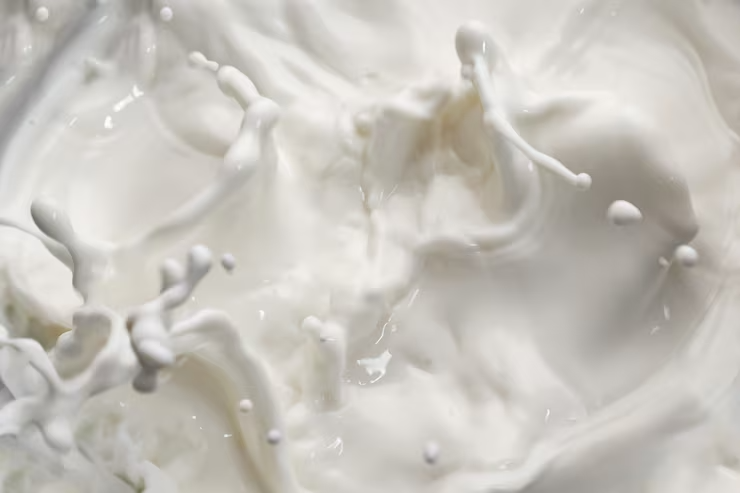
Goat milk isn’t just gentle—it’s packed with skin-loving nutrients that work together to repair, hydrate, and protect your skin.
It’s rich in vitamins A, B6, B12, C, and E. These vitamins help improve skin tone, boost repair, brighten dull areas, and reduce early signs of aging like fine lines. Together, they promote healthy, glowing skin.
Lactic Acid (AHA): Smooth & Brighten
Goat milk naturally contains lactic acid, a gentle exfoliant. It helps remove dead skin cells, smooth rough texture, and improve how well your skin absorbs other skincare products.
Fatty Acids: Deep Hydration & Barrier Support
The fatty acids in goat milk help moisturize deeply and strengthen your skin’s natural barrier. This keeps your skin soft, calm, and protected against dryness.
Caprylic/Capric Acids: Calm & Defend
These acids offer both antimicrobial and anti-inflammatory benefits. They help soothe redness and reduce acne without drying out your skin.
Selenium & Minerals: Antioxidant Boost
Goat milk also provides selenium and other trace minerals, which protect your skin from environmental damage and support healthy cell renewal.
Bonus: Skin-Supporting Proteins
Goat milk contains proteins like whey and casein. While often found in food, these proteins are now being studied for their role in supporting skin barrier health—an exciting new trend in skincare.
Who Should Use Goat Milk Products?

One of the best things about goat milk is how well it works for many different skin types. Whether your skin is dry, sensitive, or breakout-prone, goat milk can help bring it back into balance.
- Sensitive Skin: Goat milk is incredibly gentle, making it perfect for people with sensitive skin. Its natural pH is close to our own skin, so it won’t strip your barrier. Instead, it helps reduce redness, itching, and irritation.
- Dry Skin: If your skin feels tight or flaky, goat milk delivers deep hydration without feeling greasy. The natural fatty acids and moisturizing properties help soften and nourish, leaving your skin smooth and comfortable.
- Eczema & Psoriasis: People dealing with skin conditions like eczema or psoriasis often find relief with goat milk. It calms flare-ups, soothes itchiness, and supports healing—without the sting that some products cause.
- Oily or Acne-Prone Skin: Even oily or acne-prone skin can benefit. Goat milk gently exfoliates with lactic acid, removes dead skin, and keeps pores clear. Plus, its natural antibacterial properties help fight breakouts without overdrying.
- Mature Skin: Looking to reduce fine lines or dullness? Goat milk is rich in vitamins and antioxidants that improve skin tone, boost elasticity, and support a healthy glow. It’s a great addition to any anti-aging routine.
Types of Goat Milk Skincare Products

Goat milk shows up in all kinds of skincare products—and for good reason. Its gentle, nourishing qualities make it a great match for both face and body care. Here are some popular options to explore:
Cleansers & Soaps
These are ideal for everyday use. Goat milk cleansers and bar soaps remove dirt and oil without stripping your skin. They’re mild enough for sensitive skin and often leave your face feeling soft, not tight.
Lotions & Creams
Goat milk lotions and creams offer deep, lasting hydration. They soak in quickly and leave a non-greasy finish, making them great for both dry and normal skin. Many also include soothing extras like shea butter or aloe.
Serums & Toners
For a more targeted treatment, look for goat milk serums or toners. These products are usually packed with extra vitamins and antioxidants, perfect for brightening dull skin, calming redness, or improving texture.
Bath Products & Masks
Want a spa day at home? Goat milk bath soaks and face masks are rich and pampering. They’re a great way to treat dry or irritated skin all over your body, leaving you soft, smooth, and relaxed.
How to Use Goat Milk for Best Results
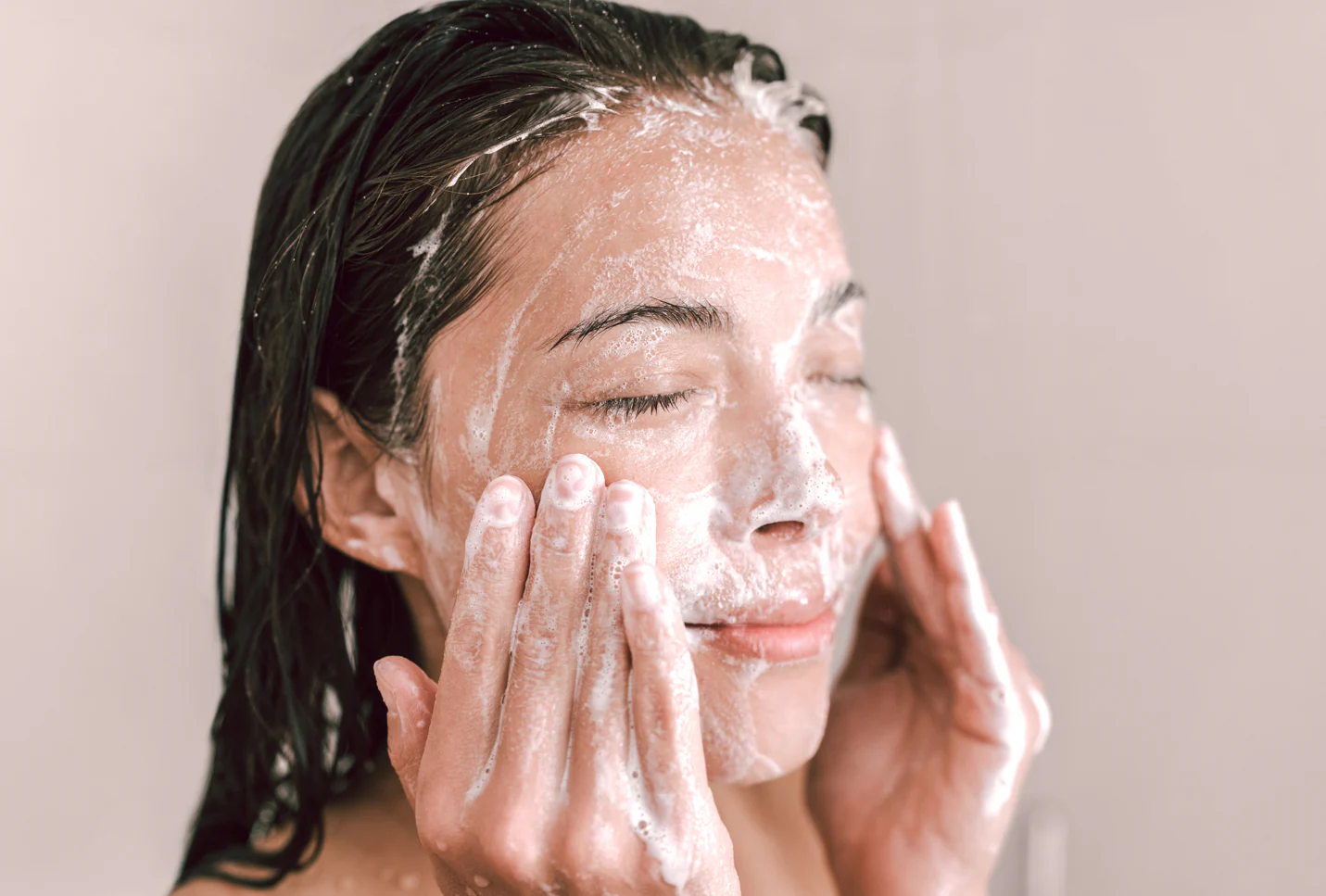
Trying goat milk in your skincare routine? Here’s how to get the most out of it—especially if you’re just starting.
Start Slow
If you’re new to goat milk skincare, begin by using it 2 to 3 times a week. This gives your skin time to adjust and helps you see how it responds.
Do a Patch Test
While goat milk is gentle, it’s still a milk-based ingredient. If you have a known dairy sensitivity, test a small area first to be safe.
Pair with Soothing Ingredients
Goat milk works even better when combined with calming ingredients like oatmeal, aloe vera, or honey. These natural boosters add extra hydration and help soothe irritated or dry skin.
Try a Simple DIY Face Mask
Want to go natural? Mix goat milk with ground oatmeal to make a quick face mask. It’s great for calming and softening skin—just be sure to use it right away and don’t store leftovers.
Pro Tip: Watch the pH
Look for pH-balanced products. Goat milk is close to your skin’s natural pH, and using the right formulas helps protect your moisture barrier and reduce irritation.
What to Watch Out For

While goat milk is gentle and nourishing, not every product is created equal. Here are a few things to keep in mind before you add it to your routine:
- Choose Fragrance-Free and Dye-Free for Sensitive Skin: If your skin is easily irritated, go for fragrance-free and dye-free formulas. Added scents or colors can trigger redness or itching, even if the base is gentle.
- Avoid If You Have a Milk Protein Allergy: Goat milk still contains milk proteins like casein and whey. If you have a diagnosed milk protein allergy, it’s best to skip these products to avoid a reaction.
- Look for Cold-Processed or Low-Heat Products: Heat can damage the beneficial nutrients in goat milk. Cold-processed soaps and low-heat treatments help keep the vitamins, proteins, and fatty acids intact—so you get all the skin benefits.
- Read the Ingredient List: Some products only add a tiny bit of goat milk for marketing. Make sure it’s listed near the top of the ingredient list, which means there’s actually a useful amount in the formula.
Conclusion

Goat milk is a gentle and effective ingredient that suits many skin types. It helps hydrate, calm, and protect your skin with natural vitamins and nutrients. Whether your skin is dry, sensitive, or acne-prone, goat milk products like soaps, lotions, and creams can make a real difference in your routine.
Ready to experience the benefits for yourself? At Zicail, we’re passionate about helping you choose the right skincare for your unique needs. Reach out to our team today to explore goat milk products, ask questions, or get a custom recommendation. Your healthiest skin might just be one gentle step away.


 EN
 JA
