

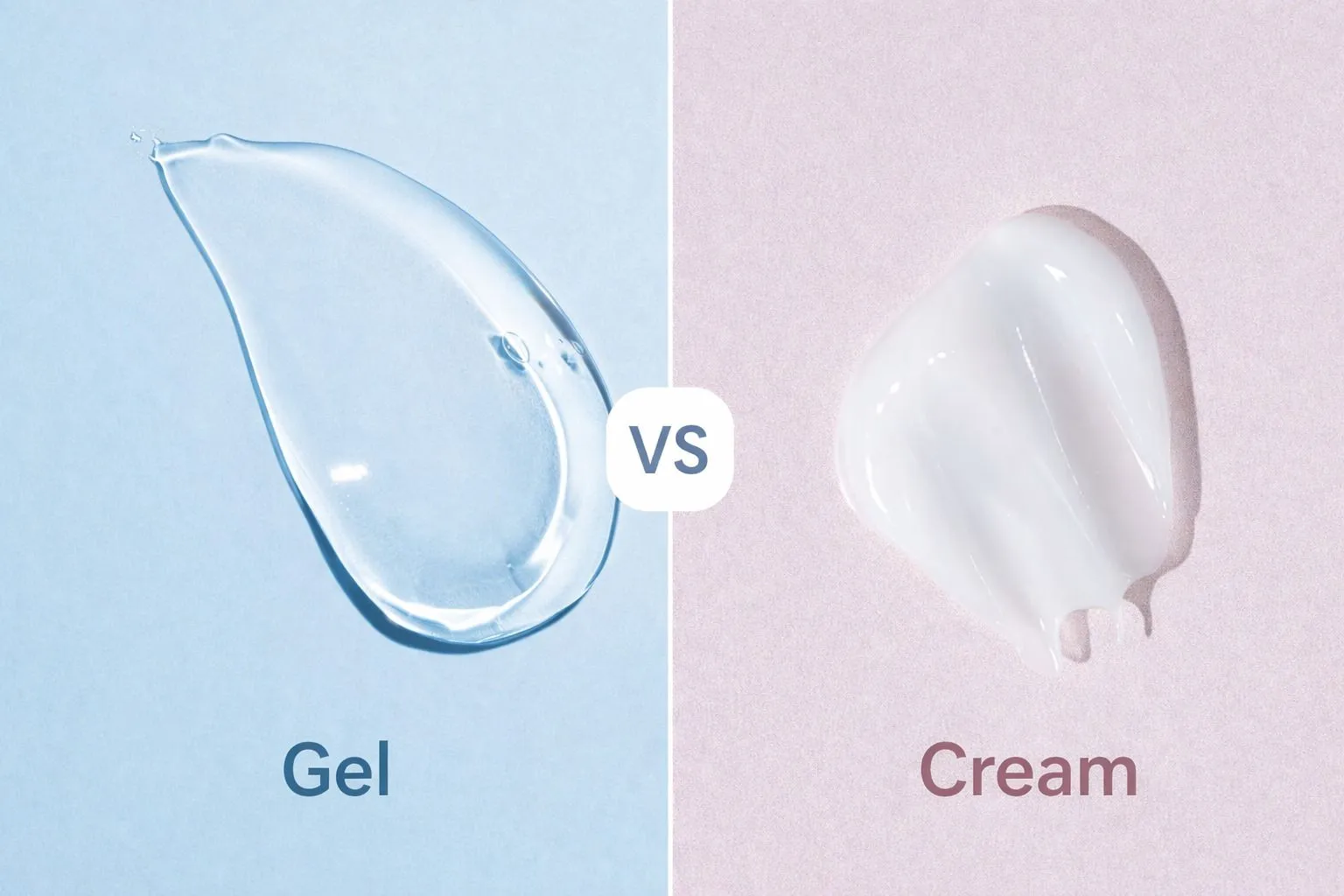
Key Differences Between Gel and Cream Moisturizers
Factor | Gel Moisturizer | Cream Moisturizer |
|---|---|---|
Base feel | Water-light, quick-absorbing | Richer emulsion (oil + water) |
Finish | Fresh, lightweight, non-greasy | Cushioning, soft, protective |
Best for | Oily, humid, shine-prone skin | Dry, flaky, barrier-stressed skin |
Best climate | Hot, humid environments | Cold, dry, windy environments |
Under makeup | Smooth, less likely to pill | May feel heavy if over-applied |
May feel wrong when | Skin feels tight or flaky | Skin feels oily or congested |
What “Moisturizing” Actually Means
Moisturizing isn’t just adding water—it’s helping skin attract hydration and keep it from escaping. Most formulas rely on three functional ingredient groups that support the skin barrier in different ways.
Humectants draw water into the outer layer of skin for quick hydration.
Emollients soften and smooth rough texture, improving skin comfort.
Occlusives slow transepidermal water loss (TEWL) by forming a protective layer.
Common examples include:
Humectants: glycerin, hyaluronic acid, urea
Emollients: squalane, plant oils, fatty alcohols
Occlusives: petrolatum, shea butter, dimethicone
In general, gels lean more on humectants for lightweight hydration, while creams contain more emollients and occlusives for longer-lasting barrier support—though the exact balance depends on the formula.
What Is a Gel Moisturizer?
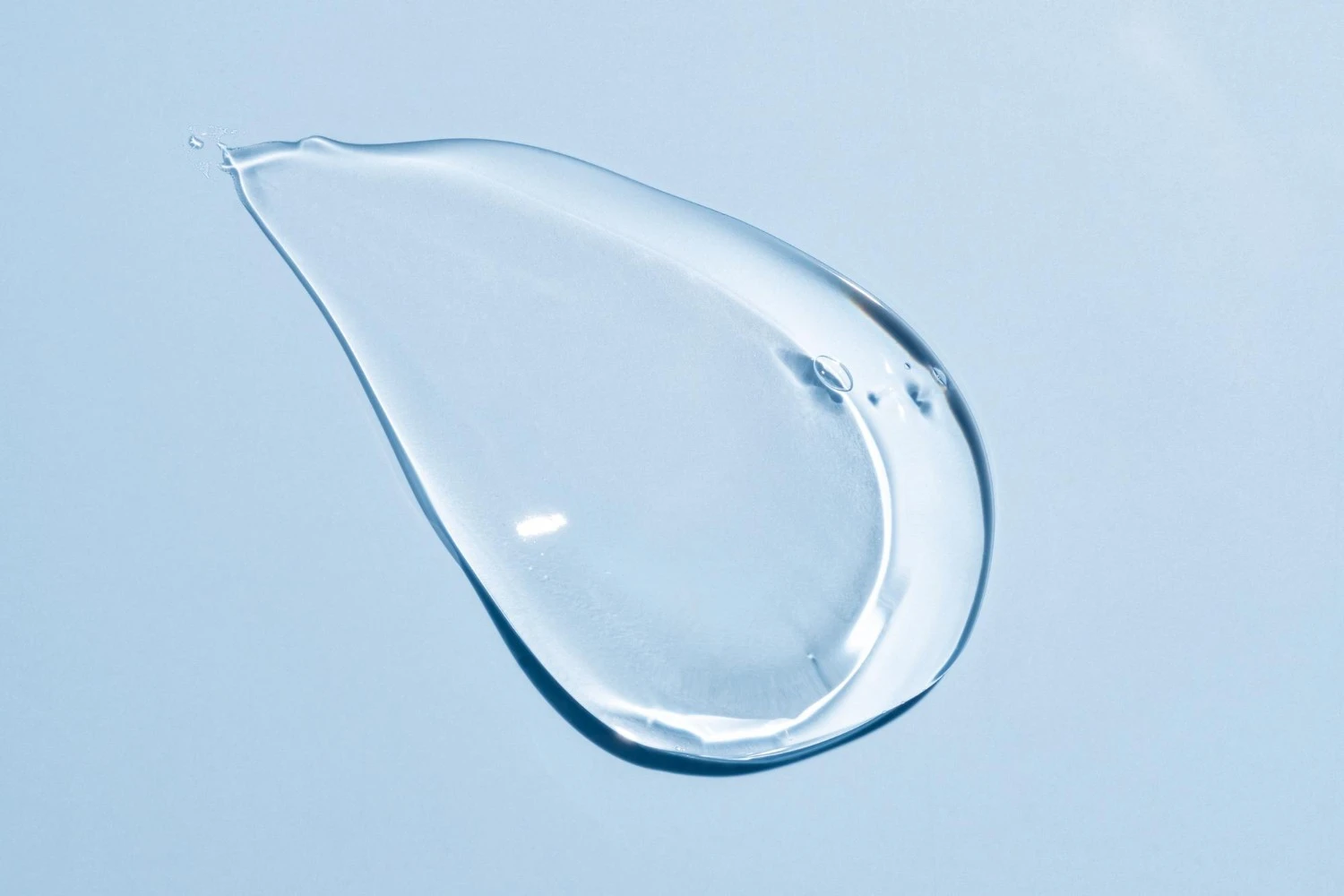
A gel moisturizer is a lightweight, water-dominant formula that hydrates without heaviness. It absorbs quickly and leaves a fresh finish, making it ideal for those who dislike thick or greasy textures. Most gels focus on adding water to the skin rather than forming a strong sealing layer.
They’re commonly used in warm climates, for oily or shine-prone skin, or as a daytime layer under sunscreen and makeup.
Typical feel: Light, cooling, fast-absorbing, non-greasy
Best use cases: Oily or combination skin, humid weather, under makeup
Common ingredients: Humectants (glycerin, hyaluronic acid), light film-formers, minimal oils
What Is a Cream Moisturizer?

A cream moisturizer is an emulsion of water and oil with a thicker, more cushioning texture. It helps reduce moisture loss and improves comfort when skin feels dry or compromised. The oil phase allows hydration to last longer.
Creams are often chosen for tight, flaky, or rough skin, especially in cold or dry conditions, and are commonly used at night for added barrier support.
Typical feel: Richer, smoother, more protective
Best use cases: Dry or mature skin, barrier repair, colder seasons
Common ingredients: Emollients (squalane, fatty alcohols), occlusives (shea butter, dimethicone), supportive humectants
Choose by Skin State (Not Just Skin Type)
Your skin type may stay relatively stable, but your skin state changes constantly—due to weather, hormones, over-exfoliation, or stress. Choosing between gel and cream works best when you respond to how your skin feels right now, not just the label you’ve given it.

Oily but Tight (Dehydrated)
Skin can look shiny yet feel tight after cleansing. This usually means water levels are low while oil production remains high. Stripping more oil won’t fix it—balanced hydration will.
Best pick: Start with a gel moisturizer; add a light cream at night only if tightness persists.
Avoid:
Heavy, occlusive creams during the day that increase congestion
Skipping moisturizer entirely because skin feels oily
Dry or Flaky
When skin feels rough, itchy, or visibly flaky, the barrier may be losing water too quickly. In this state, lightweight hydration alone often evaporates before it can provide lasting comfort.
Best pick: A cream moisturizer with emollients and mild occlusives for longer support.
Avoid:
Gel-only routines in cold or dry climates
Over-layering actives that further weaken the barrier
Combination Zones
If your T-zone is shiny but your cheeks feel dry, your skin doesn’t need one universal texture. Different areas can benefit from different weights.
Best pick: Use gel on oilier areas and cream on drier zones (zone moisturizing).
Avoid:
Applying thick cream everywhere out of convenience
Using only gel and ignoring dry patches
Barrier-Stressed or Sensitive
After over-exfoliation, retinoid use, or environmental stress, skin may sting easily and feel reactive. In this condition, simplicity and comfort matter more than texture preference.
Best pick: A simple, fragrance-free cream that prioritizes barrier support.
Avoid:
Highly fragranced or alcohol-heavy formulas
Switching products too frequently while skin is unstable
Choose by Climate, Season, and Routine
Your environment changes how quickly your skin loses water—and how heavy a moisturizer feels on the surface. Adjust texture based on climate and daily routine, not habit.
Hot / Humid
Gel usually feels more comfortable because excess oil + sweat already create surface heaviness.
Lightweight formulas reduce the risk of clogged pores in high humidity.
Faster absorption helps prevent makeup from sliding in warm weather.
Cold / Dry + AC or Heating
Cream helps reduce transepidermal water loss (TEWL) when air lacks humidity.
- Cream textures offer longer-lasting comfort in dry air.
Makeup / Commute / Indoors
Gel layers more smoothly under sunscreen and foundation.
Cream works better at night when longer barrier support is needed.
Long hours in climate-controlled spaces often require slightly more barrier reinforcement.
So Which One Should You Choose?
If you’re still unsure, simplify the decision by focusing on how your skin feels today—not what category you think it belongs to. Most confusion comes from overthinking texture instead of responding to real-time skin signals.
If skin feels shiny or heavy → choose gel for lighter hydration that won’t add surface weight.
If skin feels tight, rough, or flaky → choose cream to reduce moisture loss and improve comfort.
If skin feels both shiny and tight → layer strategically (gel first, light cream only where needed).
If seasons shift → switch textures (gel in humid months, cream in cold or dry periods).
Keep it simple: match the texture to the condition, not the label.
Can You Use Both?
Yes—you can use both gel and cream in the same routine, especially if your skin is combination, dehydrated, or adjusting to seasonal changes. The key is order, amount, and allowing each layer to settle before adding the next.
Apply from lighter to heavier. Start with the thinnest texture (hydrating serum or gel), then follow with cream if extra barrier support is needed.
Use thin layers. A pea-sized amount is often enough. Over-applying increases the chance of pilling or feeling greasy.
Let each layer absorb. Rubbing aggressively or stacking products too quickly can cause rolling. Silicone-heavy formulas layered over similar textures may also pill.
Use a simple template. Morning: hydrating serum → gel → sunscreen. Night: hydrating serum → gel → cream (only if skin feels tight).

Common Mistakes (That Make You Think It “Doesn’t Work”)
Sometimes the problem isn’t the moisturizer—it’s how or when it’s used. These common mistakes often lead people to blame the texture instead of the context.
Choosing based only on texture preference, not current barrier condition
Using a heavy cream in hot, humid weather and then blaming breakouts
Relying on gel alone in cold, dry climates and wondering why skin feels tight
Layering too many strong actives (acids, retinoids) and blaming the moisturizer for irritation
Skipping sunscreen in the morning, which leaves the barrier more vulnerable to water loss
Switching multiple products at once, making it impossible to identify what’s working
Applying too much product, leading to pilling or a greasy finish
How to Tell Which One You’re Using
Product names can be misleading. “Gel,” “cream,” or even “water cream” don’t always reflect the true formula structure. A quick look at the ingredient list gives better clues.
If water and humectants (like glycerin or hyaluronic acid) dominate the top of the list with minimal oils, it likely behaves like a gel.
If you see noticeable oils, butters, fatty alcohols, or waxes near the top, it likely functions more like a cream.
The presence of heavier occlusives (petrolatum, shea butter) suggests longer-lasting barrier support.
Silicone-rich formulas may feel lightweight but still create a smoothing surface layer.
When in doubt, check the first 5 ingredients — they reveal more than the product name.
Conclusion
Gel and cream moisturizers both support hydration, but they do so in different ways. The right choice depends less on label or personal preference and more on how your skin feels today—oily yet tight, dry and flaky, stable or stressed—and the environment you’re in.
Instead of asking which texture is “better,” assess your skin state, climate, and daily routine first. Pick based on skin state + climate, not texture preference.


 EN
 JA
