

Using a face mask at the right time can make a big difference in how well your skin absorbs the ingredients. Your skincare routine works in layers, and if a mask is applied too early or too late, your skin may not get the full benefits.
The simple rule is: clean skin absorbs better, and moisturizers lock everything in. When your face is freshly cleansed, a mask can work deeper. After masking, a moisturizer helps seal in hydration so your skin stays smooth, calm, and nourished.
Masks Sit in the Middle of Your Routine

Cleanser → Toner → (Serum) → Face Mask → Moisturizer
Most masks work best in the middle of your routine. A proper cleanser removes oil, dirt, and makeup so ingredients can penetrate better. Using a toner helps prep the skin, and a light serum can add hydration before the mask.
Why Clean Skin Matters
If the skin isn’t properly cleansed, buildup can block the mask’s ingredients. Clean, fresh skin allows a face mask (1) to deliver hydration and nutrients more effectively.

Why Moisturizer Comes After
Masks add moisture, but hydration can evaporate quickly. A moisturizer (2) creates a barrier that locks in the benefits and keeps skin balanced and soft.
Exceptions to the Rule
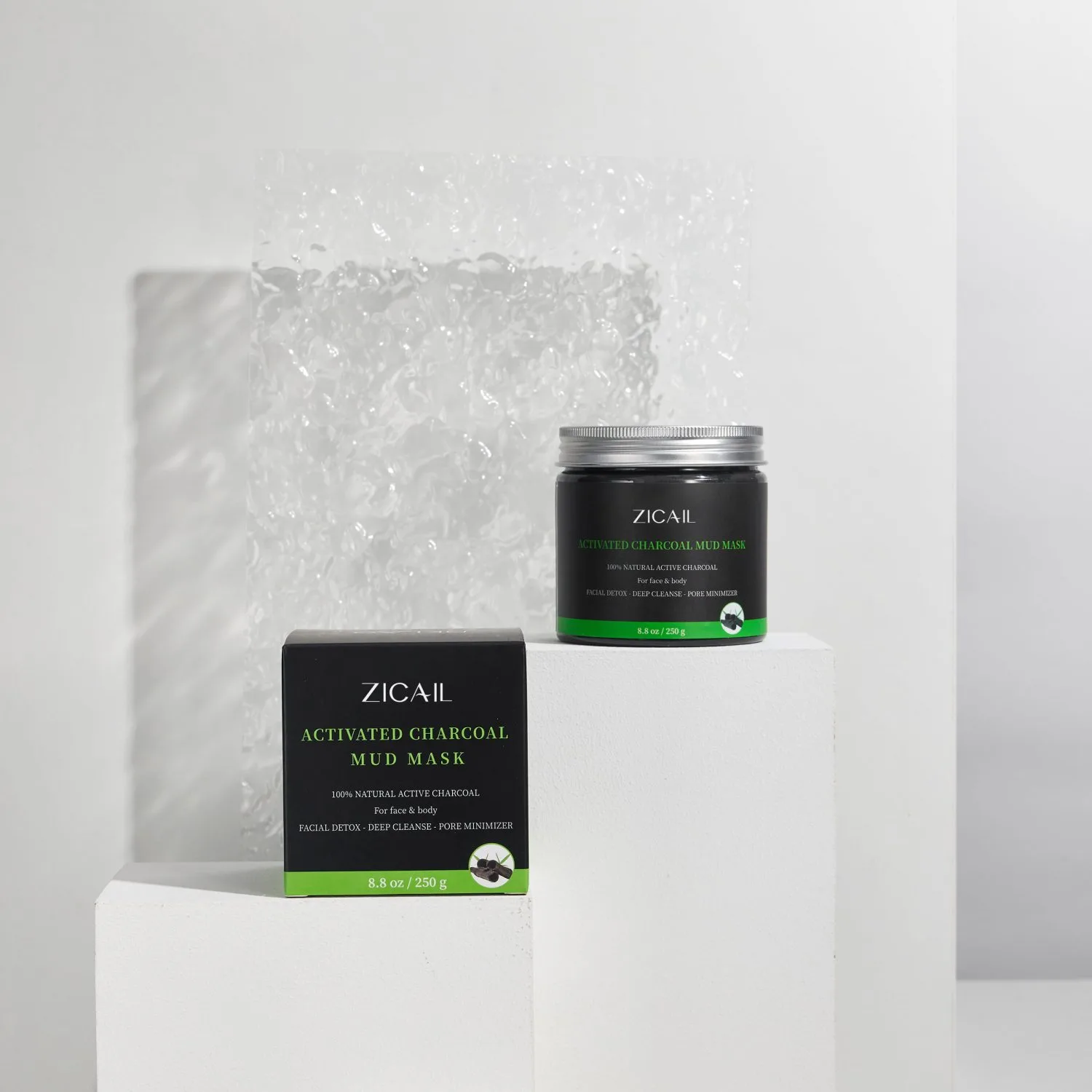
Some masks follow different timing rules. For example, clay masks (3) often go right after cleansing, while sleeping masks (4) are designed to be your final step.
When to Use Different Types of Masks
Hydrating / Nourishing Masks (Sheet, Gel, Cream)

Use hydrating masks after toner or essence so your skin can take in moisture more easily. Finish with a moisturizer to lock everything in. These masks are great for dry or dehydrated skin.
Clay / Charcoal / Exfoliating Masks

Apply clay or exfoliating masks right after cleansing, when your skin is clean and free of oil. They remove buildup and help other products absorb better. Best for oily or congestion-prone skin.
Sleeping Masks (Overnight Masks)

Sleeping masks are designed to be the final step at night, after all your other skincare is done. They act as an occlusive layer, sealing in moisture and letting active ingredients work while you sleep . They’re great for people wanting deeper hydration or overnight repair.
Peel-Off or Wash-Off Masks

Peel-off and wash-off masks (5) are usually applied after toner, when the skin is balanced and ready to absorb ingredients. After rinsing or peeling, follow with light hydration such as a serum and moisturizer to restore comfort and moisture.
Adjusting Mask Timing Based on Skin Type
- Dry / Dehydrated Skin: If your skin feels tight or flaky, focus on hydrating sheet masks or gel masks. Try to avoid frequent clay or exfoliating masks, which can strip moisture.
- Oily / Combination Skin: Use clay or exfoliating masks about 1–2 times a week to manage oil and clogged pores. Hydrating masks are still helpful—they keep your skin balanced and prevent rebound oiliness.
- Sensitive Skin: Choose calming, fragrance-free masks made for sensitive skin (6). Keep wear time short and avoid strong actives like AHAs, BHAs, or retinol.
- Acne-Prone Skin: Use clay masks (7) to absorb excess oil and impurities that can clog pores. Avoid heavy or overly occlusive masks, which may trap heat and worsen breakouts.
How Often Should You Use a Face Mask?

Hydration Masks: 2–4× Weekly
Hydrating masks—like sheet, gel, or cream formulas—are gentle enough to use several times a week. They boost moisture and help calm dryness without stressing the skin. If your skin feels tight or dull, you can even use them on back-to-back days for an extra moisture boost.
Clay / Exfoliating Masks: 1–2× Weekly
Clay, charcoal, and exfoliating masks should be used less often because they remove oil and dead skin. Using them 1–2× weekly helps clear pores and smooth texture without over-drying. More than that can weaken your skin barrier or cause irritation.
Sleeping Masks: 2–3× Weekly
Sleeping masks work well 2–3 nights a week, especially if your skin needs extra hydration or repair. They form a light seal over your skincare, letting ingredients work overnight. If your skin is very dry, you might use them more often; if your skin is oily, keep it closer to 1–2 nights.
Warning Signs of Overuse
Masking too often can backfire. Watch for:
Redness or stinging
Peeling or flaking
Tightness or burning feeling
More breakouts than usual
If you notice any of these, pause masking for a few days and focus on gentle hydration. Overuse is common, especially with clay or exfoliating masks, so listening to your skin is key.
What to Apply After a Face Mask
Light Hydrating Serum (Optional)
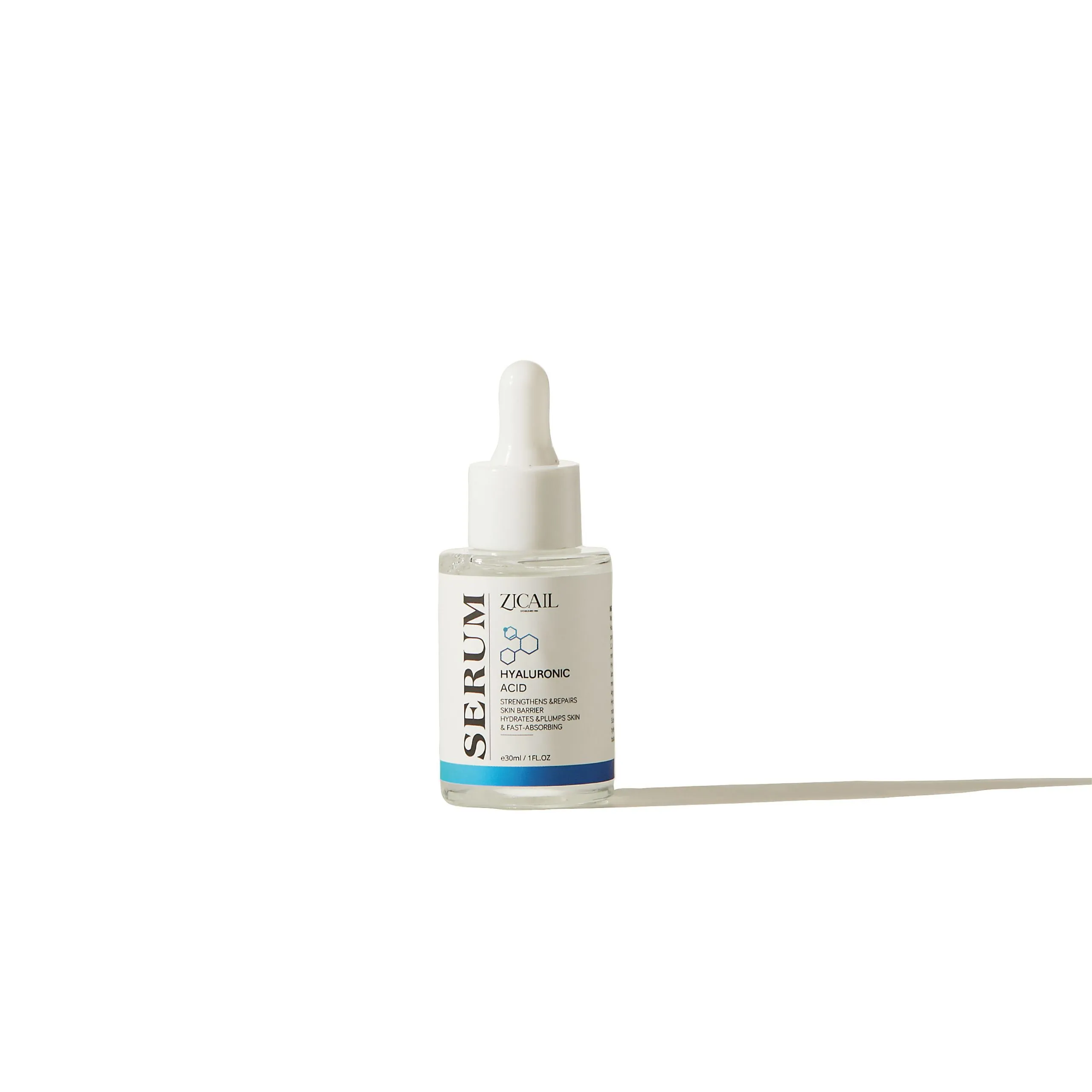
After using a mask—especially a hydrating one—you can apply a light, water-based serum to boost moisture even more. Serums with ingredients like hyaluronic acid or glycerin help pull water into the skin.
Moisturizer to Seal Hydration

A moisturizer is the most important step after masking. It creates a protective barrier that locks in all the hydration and active ingredients from the mask.
This prevents transepidermal water loss, which is when moisture escapes from the skin’s surface. Sealing everything in helps the mask’s benefits last longer.
SPF During the Daytime

If you used your mask during the day, follow your moisturizer with a broad-spectrum SPF. Sun protection is essential because freshly treated skin can be more vulnerable to UV damage.
Common Mistakes to Avoid

- Leaving Masks On Too Long: More time doesn’t mean better results. Leaving a mask on longer than the label suggests can actually irritate your skin or cause dryness—especially for clay or exfoliating masks.
- Using Too Many Strong Actives at Once: Pairing retinol with exfoliating masks or acids (AHA/BHA) can overwhelm your skin. This combo may lead to redness, peeling, or sensitivity. Stick to one strong active at a time.
- Skipping Moisturizer Afterward: A mask adds hydration, but it can evaporate quickly if you don’t follow with a moisturizer. Moisturizer helps seal everything in and protects your skin barrier.
- Using Masks Daily When Not Needed: Most masks—especially clay, exfoliating, or peel-off types—aren’t meant for daily use. Over-masking can cause dryness, breakouts, or irritation.
- Applying Clay Masks on Very Dry or Irritated Skin: Clay masks pull out oil and impurities, which is great for oily skin—but not for dry or already irritated skin. Using them on compromised skin can make dryness or sensitivity worse.


 EN
 JA
