

Facial cleansers, like all skincare products, expire over time. Many people continue using their cleanser until it’s finished, not realizing that using expired products can lead to skin irritation or breakouts.
It’s important to know the expiry date or signs that your cleanser has gone bad. In this article, we’ll explain how to tell when your cleanser is expired and share tips on how to store it properly to keep your skin safe.
If you’d like to better understand how cleansing fits into a full routine, see our Face Cleansing Guide.
What Affects the Expiry of Facial Cleansers?
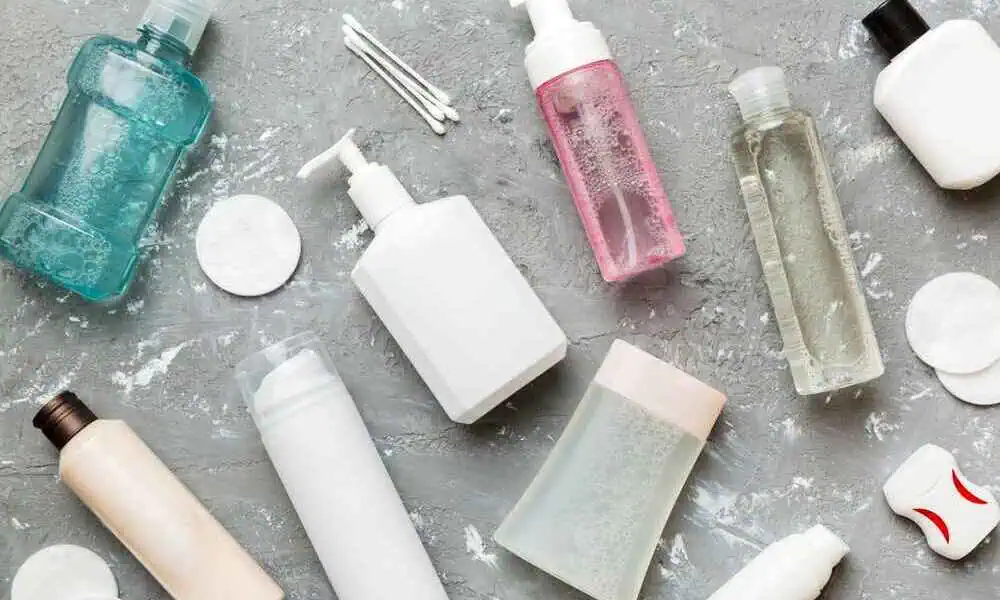
Several factors influence how long your facial cleanser lasts:
Ingredients:
Cleansers with preservatives last longer because they prevent bacteria growth. Natural ingredients or products without preservatives can expire quicker. Active ingredients like salicylic acid may also break down faster.
Packaging:
The type of packaging affects product longevity. Pump dispensers or air-tight containers keep out air and bacteria, helping the cleanser last longer. Jars are more prone to contamination and can expire faster.
Storage Conditions:
The way you store your cleanser matters. Heat, humidity, and sunlight can make it go bad quicker. Storing it in a cool, dry place away from sunlight will help preserve it longer. Avoid keeping it in the bathroom, where moisture can speed up expiration.
How to Check If Your Facial Cleanser Has Expired

To keep your skincare routine safe, it’s important to know how to check if your facial cleanser has expired. Here’s how:
Expiration Date vs. PAO Symbol:
- Expiration Date: Some cleansers will have a clear expiration date printed on the packaging. This date tells you the last day the product is safe to use, as long as it’s unopened. Once passed, it’s best to toss it.
- PAO (Period After Opening) Symbol: If your cleanser doesn’t have an expiration date, look for the PAO symbol, usually a small jar with a number inside (e.g., “12M” for 12 months). This tells you how long the product is good for after opening. For example, if it says “12M”, you should replace the cleanser after one year of use.
No Expiration Date?
If there’s no expiration date or PAO symbol on your product, you can still estimate its shelf life. Generally, most cleansers last 1–2 years once opened. Keep track of when you started using it and be on the lookout for signs of spoilage like changes in texture or scent.
Use a Permanent Marker or Sticker:
To help you remember when you opened your cleanser, try using a permanent marker or a sticker on the bottle with the date you first opened it. This simple tip will help you stay on top of when it’s time to replace the product.
Signs Your Facial Cleanser Has Expired

It’s important to keep an eye on your cleanser for any signs that it may have expired. Here are a few things to watch out for:
Changes in Texture: If your cleanser starts to separate, become clumpy, or feel unusually thick or runny, it’s likely expired. This means the ingredients are breaking down, and it’s time to replace it.
Color Changes: A fresh cleanser should stay the same color throughout its use. If it starts yellowing, darkening, or looking cloudy, it’s a sign that the product has gone bad.
Scent Changes: Pay attention to the scent of your cleanser. If it starts to smell rancid, sour, or just “off,” it means the ingredients are no longer stable and it’s time to toss it.
Changes in Behavior on Skin: If your cleanser starts feeling greasy, grainy, or doesn’t cleanse as well as it used to, it could be expired. An ineffective product won’t do your skin any good.
Packaging Issues: Watch for swelling or damage to the bottle, which can indicate the growth of bacteria inside. This is especially common if the cleanser has been exposed to heat or moisture.
If you notice any of these signs, it’s best to replace your cleanser to ensure your skin stays clean and healthy!
What Happens If You Use Expired Cleansers?

Using an expired facial cleanser can have several negative effects on your skin. Here’s what can happen if you keep using a product past its prime:
Reduced Effectiveness: Over time, expired cleansers lose their ability to cleanse properly. They may not effectively remove dirt, oil, and makeup, leaving your skin less clean and more prone to buildup.
Skin Irritation: As the ingredients break down, expired cleansers can cause redness, inflammation, or even allergic reactions. Your skin may feel uncomfortable, tight, or irritated after use.
Breakouts & Bacterial Growth: Expired products can lead to clogged pores and breakouts due to the growth of bacteria or mold inside the product. Using contaminated cleanser can even cause infections, especially if your skin is sensitive.
To keep your skin safe and healthy, it’s best to replace your cleanser once it’s expired and avoid any potential skin issues.
How to Properly Store Your Facial Cleanser to Extend Its Life

Proper storage can significantly extend the life of your facial cleanser. Here’s how to keep it fresh and effective for as long as possible:
Cool, Dry Place:
Always store your cleanser in a cool, dry place away from heat and moisture. Bathrooms may not be the best spot since they tend to get steamy, which can cause the product to degrade faster. A cabinet or shelf in a dry area is ideal to protect your cleanser from temperature fluctuations and humidity.
Tightly Sealed:
After using your cleanser, make sure the cap is tightly closed. This helps to prevent air exposure, which can lead to contamination and cause the ingredients to break down. If your cleanser has a pump, ensure it’s fully closed to keep the product sealed and protected from bacteria.
Avoid Contamination:
To prevent bacterial growth, avoid dipping your fingers into a jar cleanser, especially if your hands aren’t clean.
If your cleanser comes in a jar, consider using a spatula to scoop the product. For pump bottles, make sure the nozzle stays clean and dry to prevent contamination.
By following these simple storage tips, you’ll keep your cleanser fresh and extend its shelf life, ensuring it works effectively for your skin.
How to Safely Dispose of Expired Facial Cleansers
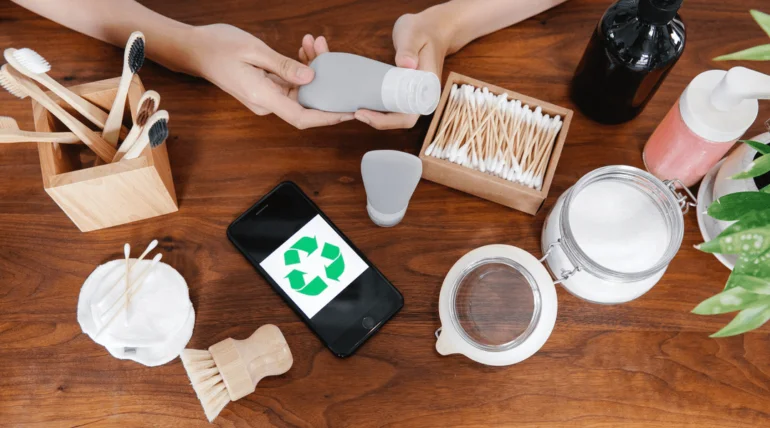
When it’s time to say goodbye to your expired facial cleanser, it’s important to dispose of it properly to avoid harming the environment. Here’s how you can do it responsibly:
Check Local Disposal Guidelines: Some areas have specific rules for disposing of beauty products. Look up your local waste disposal guidelines to see if there are any special instructions for products like cleansers.
Avoid Pouring It Down the Drain: Never pour expired cleansers down the drain, as they can pollute water systems. Instead, dispose of the product in the trash. If the cleanser contains active ingredients or chemicals, check with your local recycling center for proper disposal options.
Use Eco-Friendly Disposal: If the packaging is recyclable, make sure to clean it out before recycling. Many beauty products come in plastic or glass bottles, which can often be recycled if properly cleaned. Always check if the packaging is recyclable in your area.
By following these simple steps, you can help reduce waste and ensure that your expired products are disposed of in an environmentally friendly way.
When Should You Replace Your Facial Cleanser?

Even if your cleanser hasn’t clearly expired, there are situations where replacing it is still the safer choice for maintaining healthy skin.
Can’t Remember When You Opened It:
If you can’t recall when you first opened the cleanser, it’s a good sign that it’s time for a replacement. Track the date of opening with a permanent marker or sticker to keep better track of when to replace it.
Look for Signs of Expiry:
Even if the PAO or expiration date hasn’t passed, look for signs that your cleanser has gone bad. Watch out for changes in texture, color, scent, or how it feels on your skin. If any of these signs are present, it’s better to toss the product, even if the expiry date hasn’t yet passed.
Don’t Take Risks:
Your skin deserves the best care, so if you’re ever unsure whether your cleanser is still safe to use, it’s always better to replace it. Don’t risk irritation, breakouts, or other skin issues by holding on to an expired product.
Prioritize your skin’s health by replacing cleansers when in doubt and keep your routine fresh and effective!
Conclusion

In conclusion, it’s important to check the expiry date of your facial cleanser and watch for signs of spoilage, like changes in texture, color, or scent. Proper storage can also help extend its life, so keep it in a cool, dry place and always seal it tightly after use.
Take a moment to check your cleansers today and make sure they’re still safe for your skin.
If they’re expired or showing signs of spoilage, don’t hesitate to replace them to keep your routine comfortable and effective.


 EN
 JA
