

Key Takeaways
Aloe vera can be used with sunscreen, but it does not provide UV protection.
Apply aloe vera first for soothing, then sunscreen as the final step.
Aloe vera cannot replace broad-spectrum SPF 30+ sunscreen.
In this article, we’ll explain how aloe vera and sunscreen work, whether they can be used together, and the best way to apply them for healthy, protected skin.
What Does Aloe Vera Do for Skin?

Hydration and Soothing Effects
Aloe vera is well known for its cooling and calming effect on the skin. The gel inside the leaf is mostly water, which helps hydrate dry or sun-exposed skin.
It can ease redness, reduce irritation, and support the skin’s natural healing process after sun exposure. That’s why it’s often used in after-sun and moisturizing products.
Limitations of Aloe Vera as Sun Protection
Although aloe vera is great for soothing and moisturizing, it doesn’t offer real UV protection. Its natural SPF level is very low, which means it cannot prevent sunburn or long-term sun damage. Aloe vera should always be paired with a dedicated sunscreen for proper UV protection.
Why Sunscreen Is Still Necessary

Sunscreen is the only product designed to protect the skin from UV damage. While ingredients like aloe vera can soothe and hydrate the skin, they do not block UVA or UVB rays.
Aloe vera does not provide reliable sun protection and should never be used as a substitute for sunscreen. To properly protect the skin, a broad-spectrum sunscreen with SPF 30 or higher is still required.
When using aloe vera and sunscreen together, sunscreen should always be applied as the final step before sun exposure. This allows the sunscreen to form an even protective layer and deliver effective UV protection.
Can You Use Aloe Vera and Sunscreen Together?

Safe and Beneficial When Used Correctly
Yes, you can use aloe vera and sunscreen together. This combo is safe and helpful when done right. Aloe vera keeps your skin calm and hydrated, while sunscreen protects it from UV rays. Using both gives your skin comfort and protection at the same time.
Best Way to Apply
Start with aloe vera as a light base to hydrate your skin. Let it absorb for about one to two minutes, then apply your broad-spectrum sunscreen with SPF 30 or higher.
This helps the sunscreen form a proper layer and keeps your skin smooth. If you’ve been in the sun for a while, you can apply aloe vera after to cool your skin — but remember to reapply sunscreen before going out again.
Product Tips
Choose pure aloe vera gel without alcohol, fragrance, or aloin, which can make your skin more sensitive to sunlight. Pick a clean, fast-absorbing gel and a gentle sunscreen. Together, they help your skin stay hydrated, calm, and well-protected.
Practical Tips & Step-by-Step Routine

Morning or Outdoor Routine
Start your day with a simple skincare routine that keeps your skin hydrated and protected.
Cleanse: Wash your face gently to remove oil and dirt.
Apply aloe vera gel: Use a thin layer to hydrate and soothe your skin.
Wait 1–2 minutes: Let the gel absorb completely before the next step.
Apply sunscreen: Choose a broad-spectrum SPF 30+ sunscreen and cover all exposed areas evenly.
This order helps your skin stay calm and smooth while allowing the sunscreen to create a strong, even layer of protection.

After Sun Exposure Routine
After being outdoors or in the sun for a while:
Rinse your skin to remove sweat or salt.
Apply aloe vera gel to cool and calm your skin.
If you plan to go outside again, reapply sunscreen — aloe vera soothes, but it doesn’t block UV rays.
Product Selection Tips
Pick a pure aloe vera gel with no alcohol, fragrance, or aloin (which can make skin more sensitive).
Choose a broad-spectrum sunscreen that protects from both UVA and UVB rays.
For outdoor or travel days, pack both products for easy reapplication, especially after swimming or sweating.
Ready to Care for Your Skin the Smart Way?
Aloe vera and sunscreen make the perfect team — one hydrates and soothes, the other protects and defends. Whether you’re creating your own skincare line or sourcing high-quality products, we can help you find safe, effective formulas that meet your market’s needs.
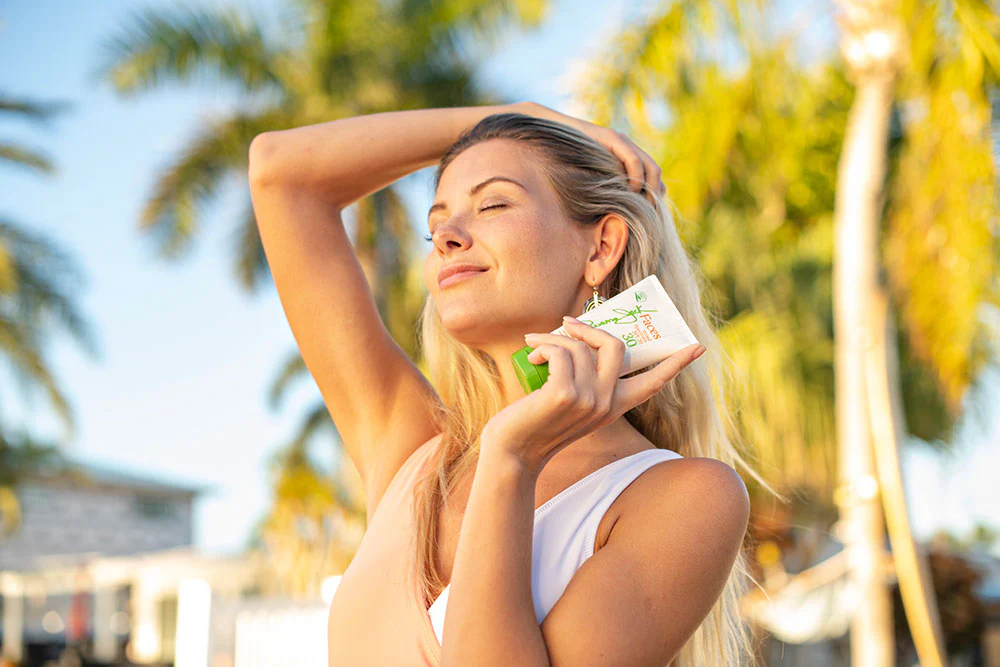
Contact us today to explore custom formulations, OEM/ODM skincare solutions, and private-label sunscreen and aloe vera products. Let’s build a brand that your customers will trust and love — healthy, radiant skin starts with the right partnership.
FAQs
Can I apply aloe vera after I’ve already applied sunscreen?
Yes — you can apply aloe vera after sunscreen, especially if your skin feels hot or uncomfortable. However, if you’re going back out in the sun, you’ll still need to reapply sunscreen. Aloe vera soothes and hydrates, but it doesn’t replace UV protection.
Is it safe to use both chemical and physical (mineral) sunscreens with aloe vera?
Yes — aloe vera is generally compatible with both types of sunscreen (chemical filters and mineral/zinc oxide-based). It typically won’t interfere with the performance of a broad-spectrum sunscreen, provided you wait for it to absorb before applying the sunscreen.
Will aloe vera interfere with the absorption of sunscreen if I apply them back-to-back?
It can, if you apply sunscreen too soon after aloe vera (or apply too thick a layer of aloe vera). To avoid this, allow about 1–2 minutes for the aloe vera to absorb and dry down slightly before applying sunscreen. This helps ensure the sunscreen can form its protective layer properly.
Can I use aloe vera gel alone instead of sunscreen if I don’t like the feel of traditional sunscreens?
No — aloe vera gel alone does not offer sufficient sun protection. Its natural SPF is very low, and it doesn’t provide broad-spectrum (UVA + UVB) defense. Sunscreen with appropriate SPF and broad-spectrum coverage is required for effective protection.
Are there any skin types or conditions for which combining aloe vera + sunscreen might need caution?
Yes — if you have extremely sensitive skin, allergies, or are using skin-treating medications (e.g., retinoids, exfoliants), you should patch test any aloe vera product (especially if it has additives) and ensure your sunscreen is gentle. Also, some aloe vera gels may contain aloin or fragrance which could increase photosensitivity or irritation.


 EN
 JA
